







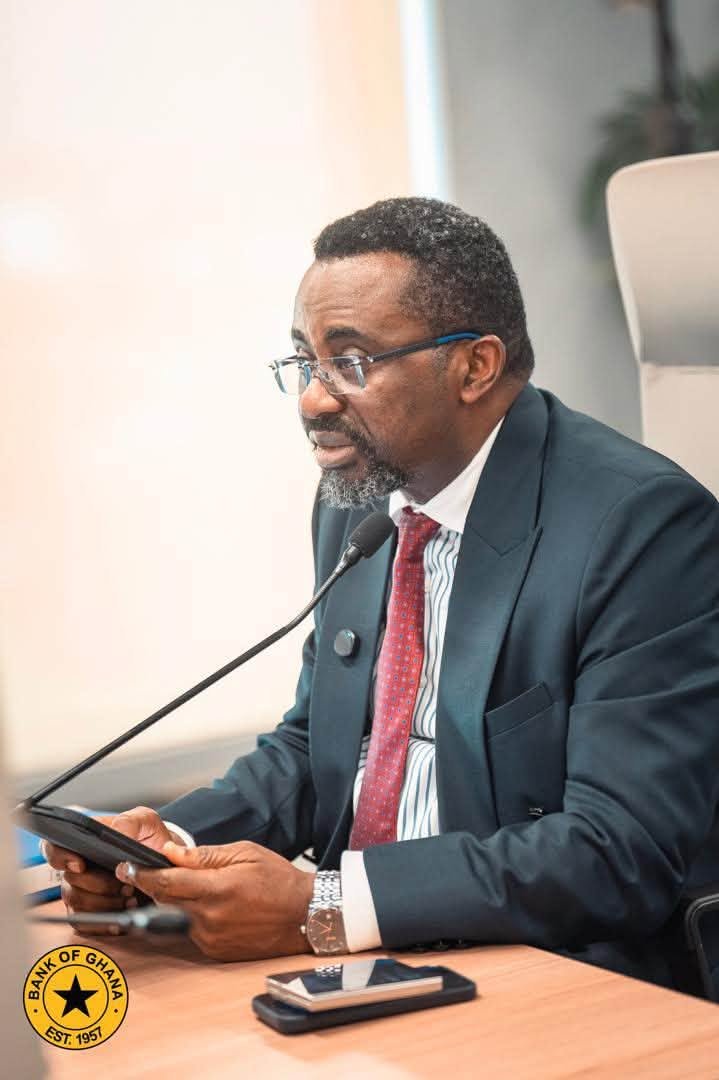
“Our responsibility at this meeting is to assess carefully whether the current monetary policy stance remains appropriate… while supporting sustainable economic activity,” Governor Dr Asiama added.
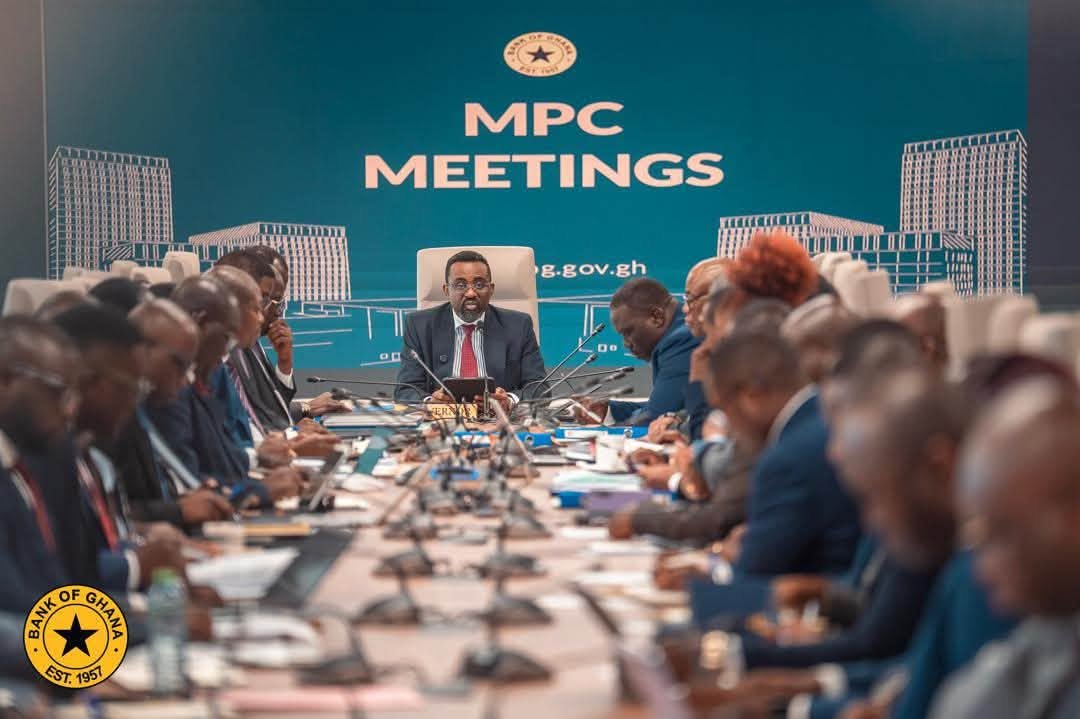
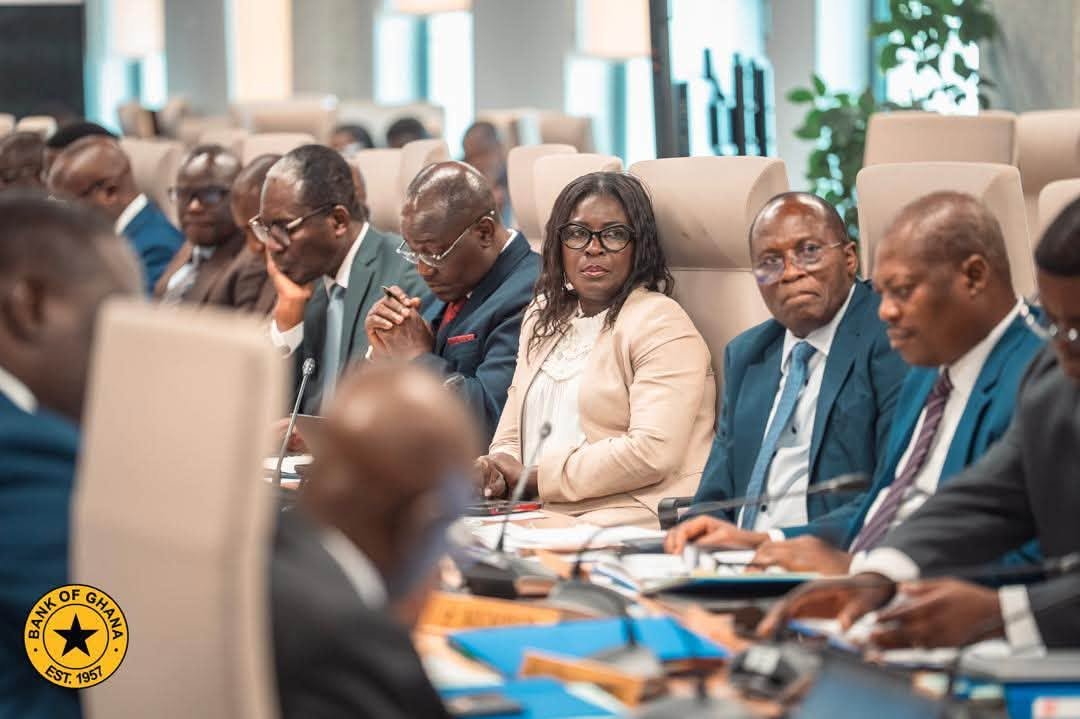 The Governor of the Bank of Ghana, Dr Johnson Pandit Asiama, has opened the 133rd Meeting of the Monetary Policy Committee (MPC) — the final meeting for 2026 — at Bank Square in Accra.
Dr Asiama said the Ghanaian economy remains resilient despite persistent global uncertainty, with macroeconomic stabilisation broadly on track.
Inflation edges up but stays below target
Headline inflation rose modestly from 5.2 per cent in September to 5.5 per cent in October 2026, but remains in single digits and below the Bank’s medium-term target band.
The Governor said the uptick warrants careful examination, particularly the drivers from food, non-food and services inflation, and whether recent movements reflect temporary adjustments in fuel, transport and administered prices or a more persistent shift in price-setting behaviour.
Global growth steady, risks remain
Dr Asiama noted that the International Monetary Fund (IMF) projects global growth of about 3.1 per cent for 2026, supported by strong investment in artificial intelligence and technology.
He however cautioned that geopolitical fragmentation, supply-chain disruptions and an unusually strong El Niño episode could affect agricultural production across West Africa into the first quarter of 2027 — with implications for food prices, Ghana’s cocoa output and export earnings, inflation and the exchange rate.

External sector and 2027 budget

The Governor described the external sector as an important source of strength, but urged the Committee to look beyond the headline current account surplus to the sustainability of inflows and reserve accumulation.
He also said the 2027 Budget comes at a critical point, and the Committee must assess its fiscal impulse, financing and impact on demand, liquidity, inflation and the exchange rate, to ensure fiscal and monetary policy remain coherent.
Focus on policy transmission
Dr Asiama called for a comprehensive review of how policy decisions transmit through money-market conditions, bank funding costs, lending rates and credit to the private sector.
“We must ensure that our decisions preserve the gains achieved in restoring price stability and exchange-rate confidence, while supporting sustainable economic activity,” he said.
He added that the choices made today will shape the conditions under which the economy enters 2027.
The Committee is expected to announce its policy decision after its deliberations.
The Committee will announce its policy decision at the end of its deliberations on Wednesday, 18 November 2026.