







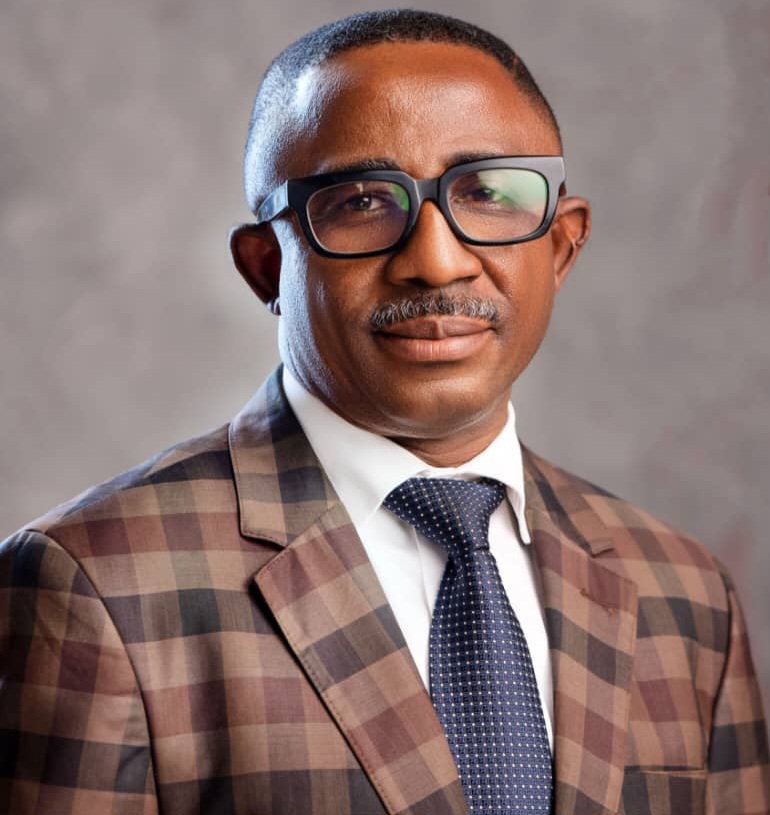
The Ghana Institute of Geoscientists (GhIG) has outlined an ambitious and comprehensive roadmap for the 2026/2027 tenure, unveiled by its newly elected President, Crisler Akwei Ankrah.
In his inaugural address, Ankrah presented a seven-fold strategic work plan designed to elevate the institute’s relevance, impact, and unity within the geoscience community and beyond.
Addressing colleagues, Ankrah emphasized that the plan is a collective effort rooted in the foundational principles established by the institute’s predecessors.
He articulated a vision for GhIG to become a more influential body that effectively advocates for the profession, fosters collaboration, and addresses national challenges through geoscience expertise.
Key Highlights of the Strategic Work Plan include:
1. Advocacy for the Geoscience Act: Ankrah announced the institute’s commitment to pushing for the enactment of the Geoscience Act, which, once passed, will regulate practice, promote ethical resource management, and hold practitioners accountable. The institute will engage strategically with government agencies, including the Ministry of Lands and Natural Resources, the Attorney-General’s Department, and Parliament to ensure swift legislative action.
2. Sustainable Partnerships & International Engagement: GhIG plans to strengthen collaborations with key stakeholders such as the Ghana Geological Survey Authority (GGSA), the Ghana Chamber of Mines, GNPC, various government ministries, academia, and professional bodies. A major milestone is the hosting of the 31st Colloquium of African Geology (CAG31) in Accra in 2027, a significant event showcasing Ghana’s leadership in African geoscience.
3. Bridging Academia, Industry, and Policy: To close the gap between education and practical application, the institute will introduce mentorship programs, industrial attachments, and a Young Geoscientists’ Forum. These initiatives aim to prepare members for industry challenges related to sustainable mining, water security, and geohazards.
4. Member Development and Recognition: Recognizing members’ contributions, GhIG will establish a formal induction ceremony, a Welfare and Scholarship Fund for students and early-career professionals, and a Register of Distinguished Senior Geoscientists to honor seasoned practitioners.
5. Public Engagement & Visibility: The institute intends to amplify its voice through a dynamic digital presence, newsletters, and thought leadership on national issues. Outreach programs targeting schools and communities will aim to inspire future geoscientists and increase public understanding of geoscience importance.
6. Financial Sustainability & Governance: Diversifying revenue streams through partnerships, merchandise, and prudent financial management will be prioritized. Regular financial reporting and strategic retreats will ensure transparency and effective leadership.

7. Regional Participation & National Cohesion: GhIG aims to strengthen its nationwide network by activating regional chapters, hosting region-specific Continuing Professional Development (CPD) events, and ensuring all members feel engaged and valued across Ghana—from Tamale to Takoradi.
In closing, Ankrah called on members—passionate, skeptical, and weary alike—to re-engage with the institute’s mission. He emphasized that the journey towards a more relevant and impactful GhIG requires collective effort, humility, and faith. With a spirit of service and camaraderie, the institute aims to build on its legacy and serve as a beacon of professionalism and societal contribution in Ghana’s geosciences.
As Ghana’s geoscience community embarks on this new chapter, the institute’s strategic plan signals a renewed commitment to excellence, collaboration, and national development.