








In 2023, Ghana’s oil and gas industry encountered a turbulent period marked by declining production, falling revenues, and persistent governance issues. Despite maintaining a strong transparency framework through the Ghana Extractive Industries Transparency Initiative (GHEITI), the sector’s performance weakened as major oil fields—Jubilee, TEN, and Sankofa-Gye Nyame—matured and output declined.
Crude oil production dropped by 6.7%, totaling 48.2 million barrels, a decline compounded by softer global oil prices. This downturn led to a significant 25.65% decrease in petroleum revenues, which fell to approximately USD 1.06 billion. As a result, the sector’s contribution to total government revenue shrank to just over 9%, exerting additional pressure on Ghana’s fiscal stability.
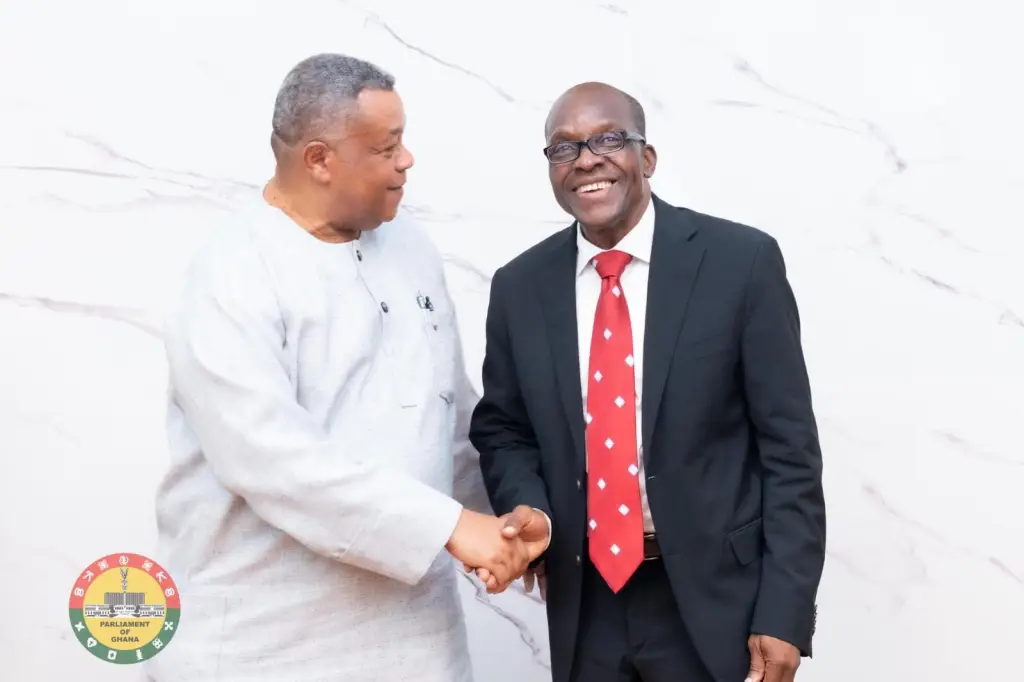
There were contained in 2023 Ghana Extractive Industries Transparency Initiative (GHEITI) Report in launched in Accra.
Amidst these challenges, GHEITI’s oversight role proved vital. Its Multi-Stakeholder Group (MSG) achieved nearly complete reconciliation coverage, with 98% of data aligned and discrepancies minimal. The MSG actively contributed to policy oversight, conducting corruption risk assessments and advising the government on critical issues like the proper process for reassigning the gas aggregator role.

However, structural weaknesses persist. Notably, the MSG’s composition reveals an inclusivity gap, with women occupying only 27% of its seats. More critically, issues around state participation and institutional clarity threaten sector stability. Ghana National Petroleum Corporation (GNPC) and its subsidiary, Explorco, have not paid corporate income tax on revenues from their 7% interests in Jubilee and TEN fields since 2021—largely due to non-compliance with ring-fencing rules—resulting in missed public revenues. Additionally, overlapping roles between GNPC and Ghana Gas over the national gas aggregator create regulatory uncertainty, deterring investor confidence.
Environmental considerations and the shift towards a greener energy future also influence sector outlooks. Ghana is strengthening its regulatory framework and embracing a broader green transition, exemplified by the rebranding of its Energy Ministry. Nonetheless, operational issues such as gas flaring, caused by technical failures, continue to attract penalties and highlight ongoing challenges.
As Ghana seeks to balance hydrocarbon exploitation with decarbonisation goals, restoring investor confidence remains critical. Addressing fiscal ambiguities, ensuring GNPC’s tax compliance, clarifying gas aggregation responsibilities, and making transparent decisions regarding petroleum savings are urgent steps.
Overall, 2023 presents a sector at a pivotal juncture: while transparency systems are functioning effectively, urgent governance reforms are needed to stabilize Ghana’s oil and gas industry, safeguard its economic future, and ensure benefits for future generations.