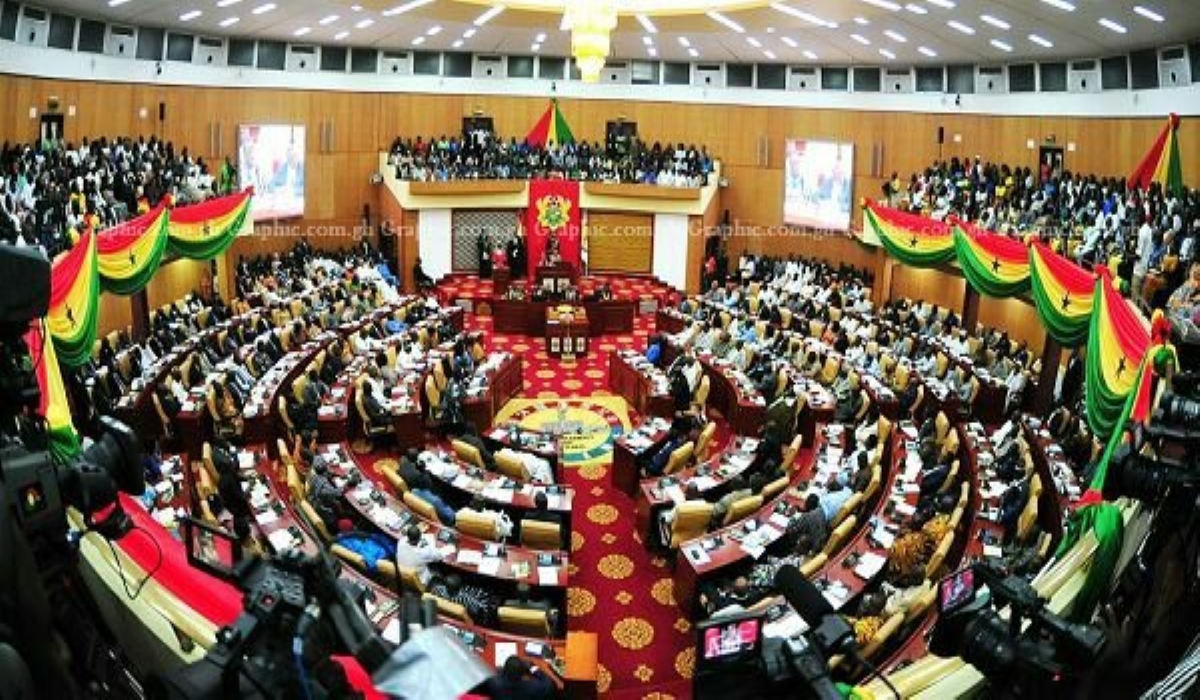






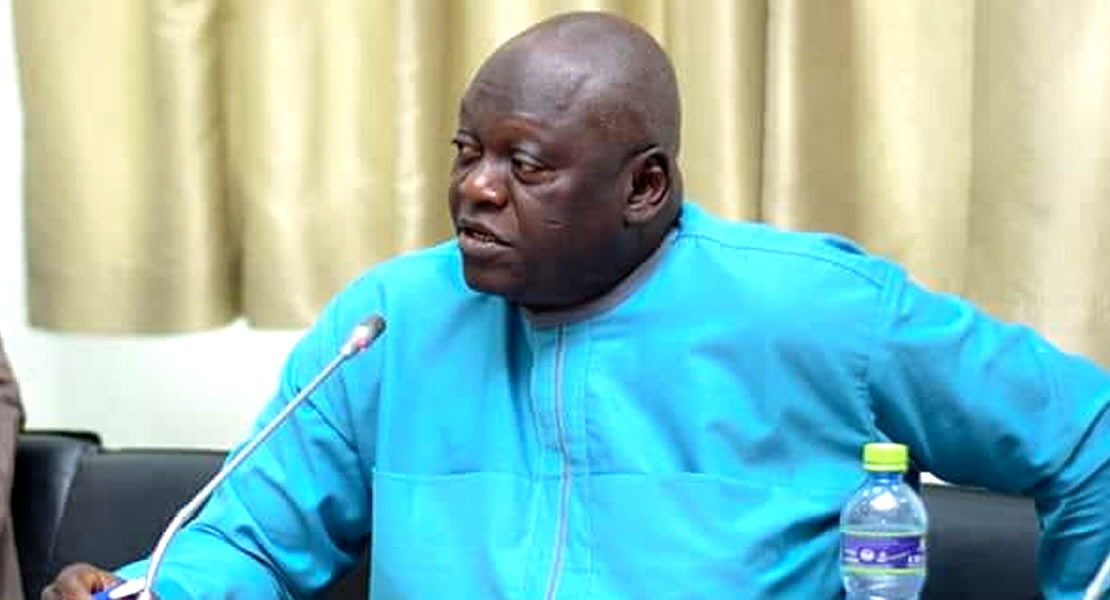
As the New Patriotic Party (NPP) Minority continues to raise issues of quorum to delay government business in Parliament, the Member of Parliament for Ejura Sekyedumase, Muhammed Bawa Braimah, has admonished them to attend proceedings diligently and act as a responsible Minority, just as the NPP did while in opposition during the last Parliament.
“Are Minority and Majority MPs not given the same privileges? Is one side paid more than the other?” he questioned. “Why should the leadership and a few members of the Minority be in the chamber with empty benches behind them, yet raise quorum concerns? Are we paid separately?”
In an interview wwiththis news portal, Braimah noted that the apparent strategy to stall government business by keeping members away undermines parliamentary democracy.
“They ask their members not to come to the floor of the House. For God’s sake, we are practicing multi-party democracy—they should ensure their members are present,” he stated.
“When we talk about Members of Parliament, we refer to both sides. Quorum is not only the responsibility of the Majority; they should also ensure their benches are full,” he added.
The Ejura MP urged the NPP Minority to learn from the NDC’s conduct in the previous Parliament.
“When we were in opposition, we came to the House in numbers and acted as a responsible minority. We challenged and still participated in government business—that helped us return to power. They cannot stay at home, bring only a few people, and then challenge proceedings.”
He also clarified that parliamentary work is not confined to the chamber.
“Committee work is equally important, and sometimes MPs have to visit ministries to lobby for projects in their constituencies. So, you cannot always expect every MP on the floor.”
However, Braimah acknowledged that many first-time MPs face accommodation challenges in Accra. He pointed out that high attrition rates and logistical issues are being addressed with the intervention of former President John Dramani Mahama.
“Going forward, we will not face these problems again. Ministers will have dedicated days to meet MPs, and ongoing orientations will help—soon this will be a thing of the past.”