







In Ghana’s democratic landscape, the opposition’s role is vital in ensuring government transparency, accountability, and good governance.
This role becomes even more critical during times of economic challenges, policy shifts, or perceived missteps by those in power.
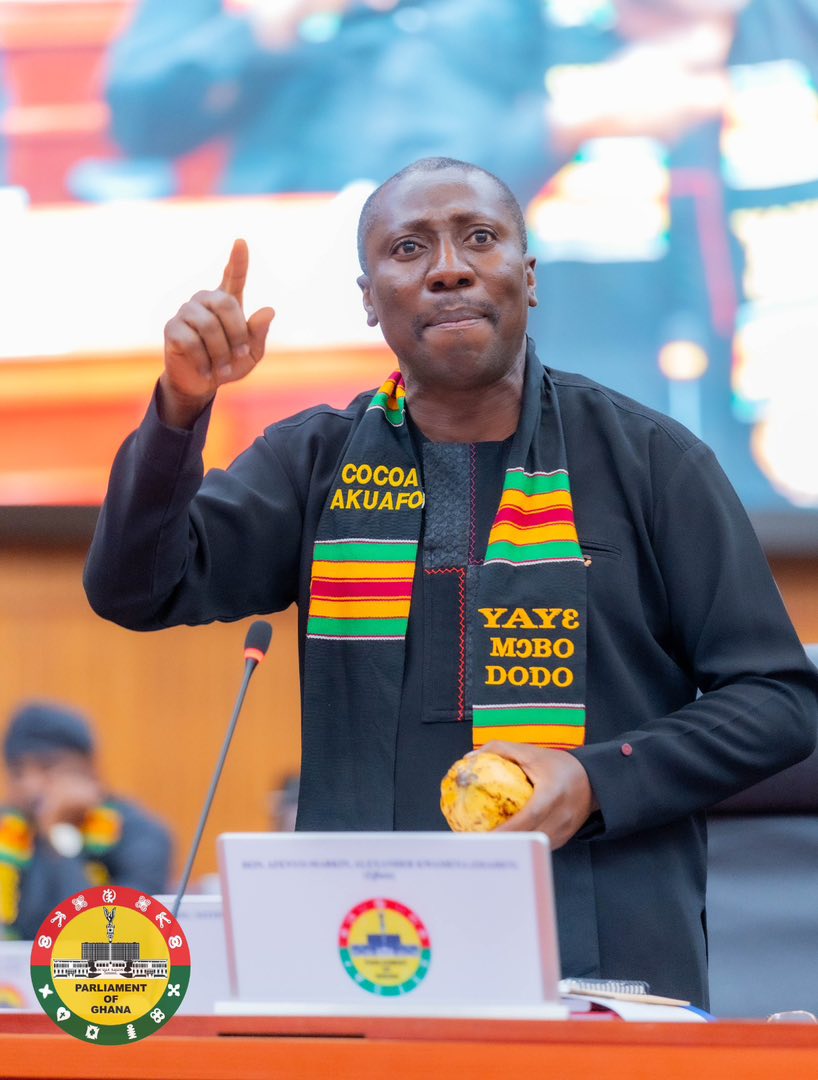
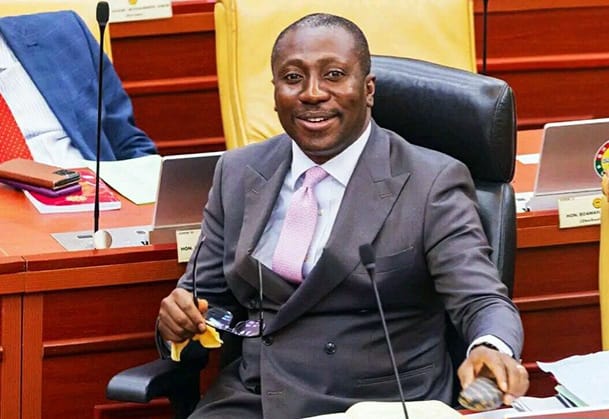
One prominent figure in Ghana’s body politics exemplify this dynamic: Effutu MP who also double as the Minority Leader Osahene Alexander Kwamina Afenyo-Markin, the Member of Parliament for the Effutu constituency, Central Region whose leadership and participation in parliamentary debates have sparked both commendation and critique.
Strengths of Alexander Kwamina Afenyo-Markin in Parliament
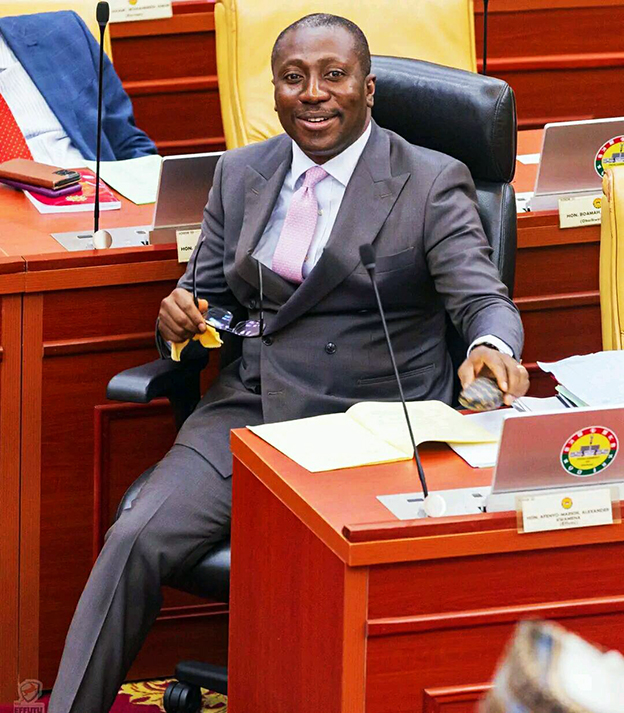
As Minority Leader, Alexander Kwamina Afenyo-Markin has demonstrated a strong commitment to holding the government accountable. His sharp, articulate questions during parliamentary sessions often expose gaps and inconsistencies in government policies, especially around issues of economic management, social justice, and resource utilization.
His advocacy for transparency has bolstered public confidence that the opposition is willing to challenge the executive branch when necessary.
Afenyo-Markin’s strategic use of parliamentary procedures and his ability to rally fellow opposition MPs-NDC have made the minority’s voice more formidable. His vocal stance on issues such as corruption, misallocation of resources, and human rights violations underscores his dedication to the nation’s democratic principles.
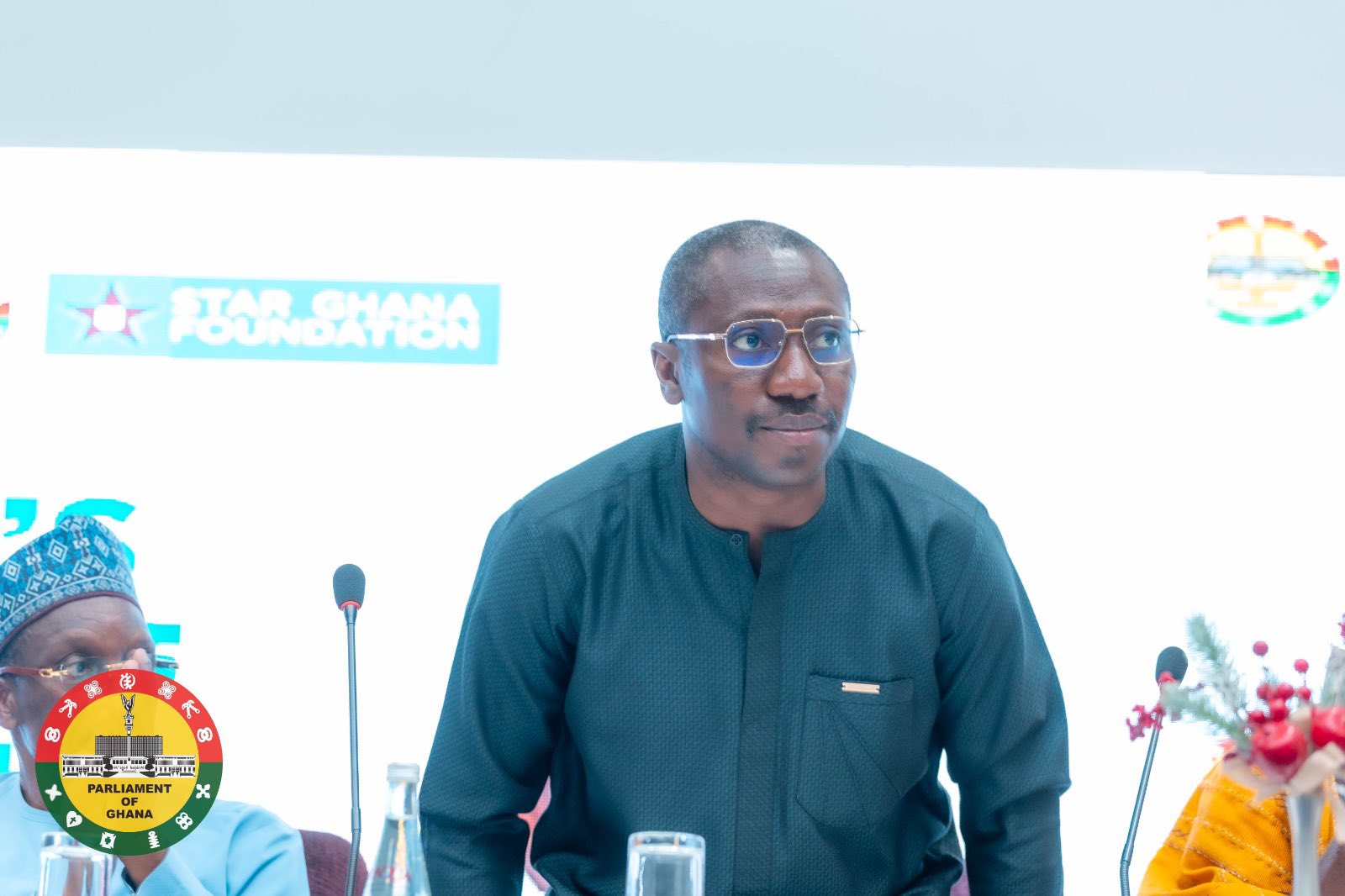
Furthermore, his engagement with constituents and civil society groups has amplified the opposition’s role in shaping policy debates and ensuring that diverse perspectives are heard in the legislative process. His leadership has also inspired younger politicians and opposition members to remain vigilant and assertive in their oversight functions.
Weaknesses and Critiques
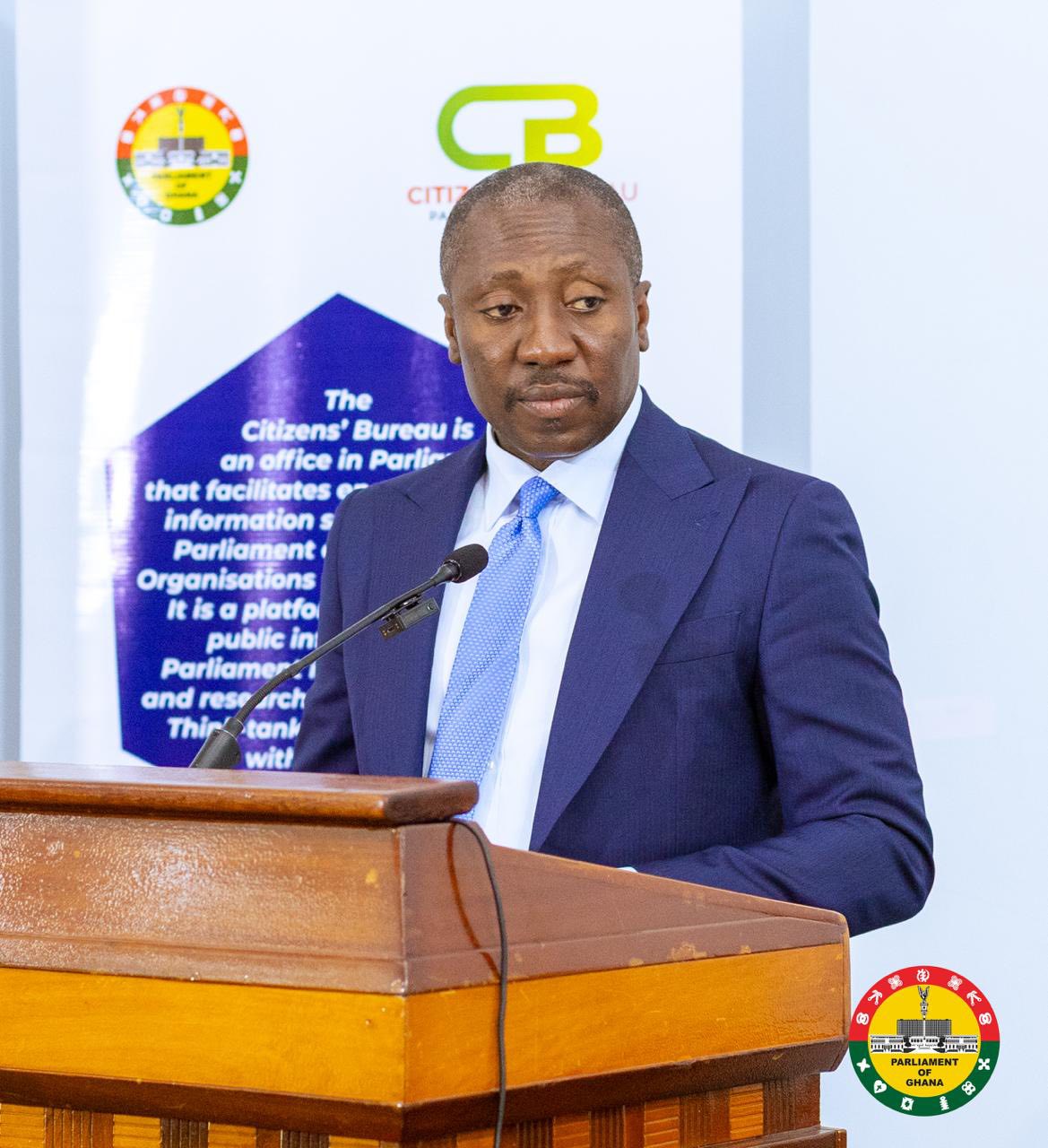
However, Osahene’s approach is not without criticism. Some analysts argue that at times, his confrontational style borders on political theatrics, which risks undermining constructive dialogue in parliament.
Questions have been raised about whether this combative approach sometimes alienates potential allies and diminishes the opposition’s ability to negotiate consensus on vital national issues.
Additionally, critics point out that despite his vocal criticism, there is a perceived gap between rhetoric and tangible legislative action.
For instance, some argue that the opposition, under his leadership, has not always effectively translated parliamentary oversight into concrete outcomes, such as the successful investigation of government misconduct or policy reforms.
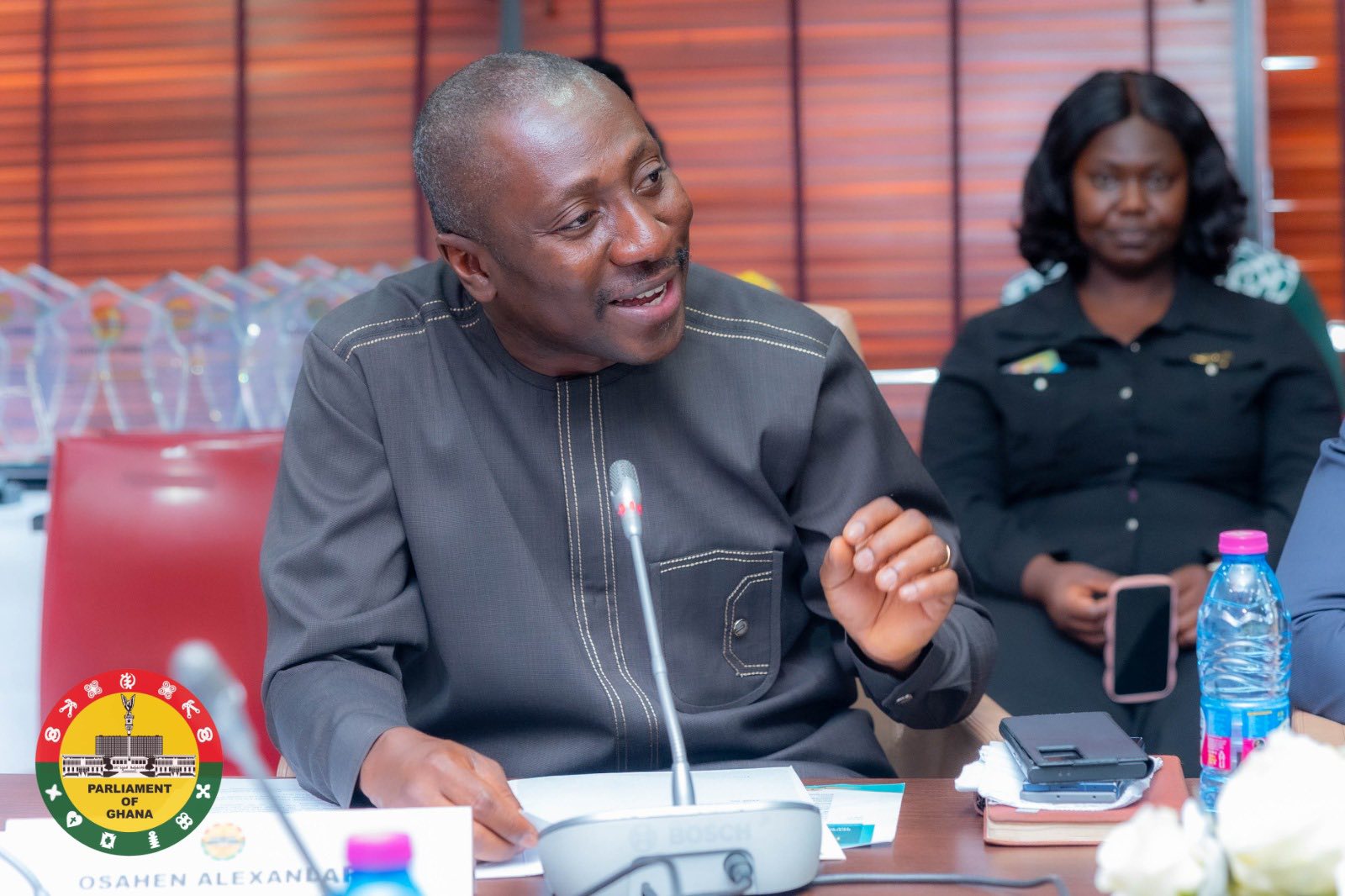
There are also concerns about resource constraints and parliamentary capacity. The opposition’s ability to sustain sustained oversight is often hampered by limited access to information, logistical challenges, and political interference, which Alexander Kwamina Afenyo-Markin and his team must navigate.
The Broader Context: Opposition’s Role in Ghana’s Democracy
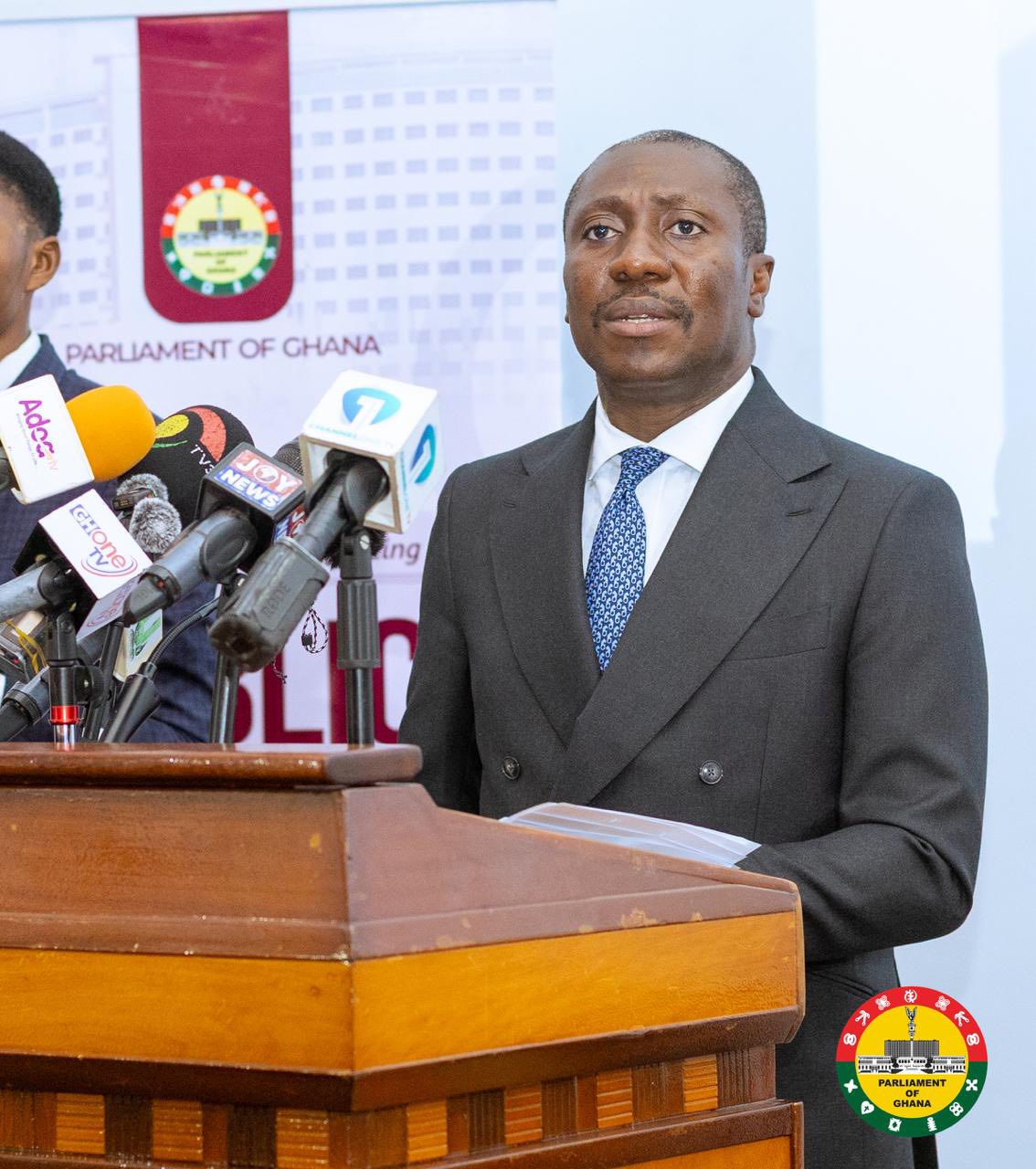
Alexander Kwamina Afenyo-Markin’s leadership highlights the broader importance of opposition parties in Ghana’s parliamentary democracy. Their role as watchdogs, policy critics, and alternative policymakers is essential in ensuring that the government remains answerable to the people.
Nevertheless, the effectiveness of opposition figures depends not only on their rhetoric but also on their strategic capacity to leverage parliamentary institutions and mobilize public support.
As Ghana continues to face economic, social, employment and political challenges, opposition Group led by Afenyo-Markin must balance assertiveness with constructive engagement to truly hold the NDC government accountable when it comes to deliverables.
Conclusion
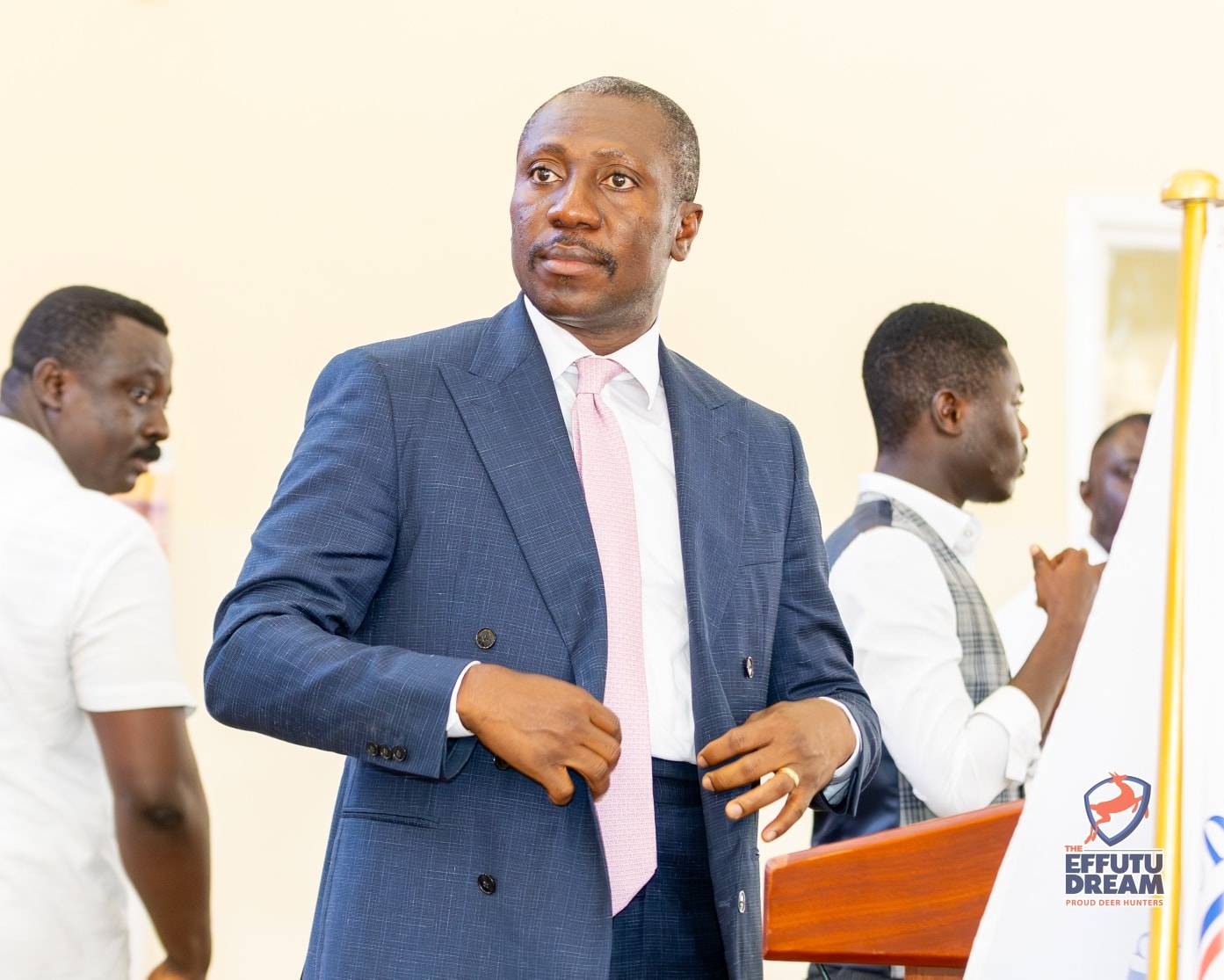
Largely, Alexander Kwamina Afenyo-Markin embodies the strengths and challenges of opposition leadership in Ghana.

His unwavering stance on accountability and advocacy are commendable, yet he must also navigate the complexities of parliamentary politics to maximize his impact.
Ultimately, the role of opposition in Ghana’s democracy hinges on their ability to scrutinize power effectively while fostering a culture of cooperation, consensus and progress—something the current Minority and his colleagues must continually strive to achieve.
By Edzorna Francis Mensah