





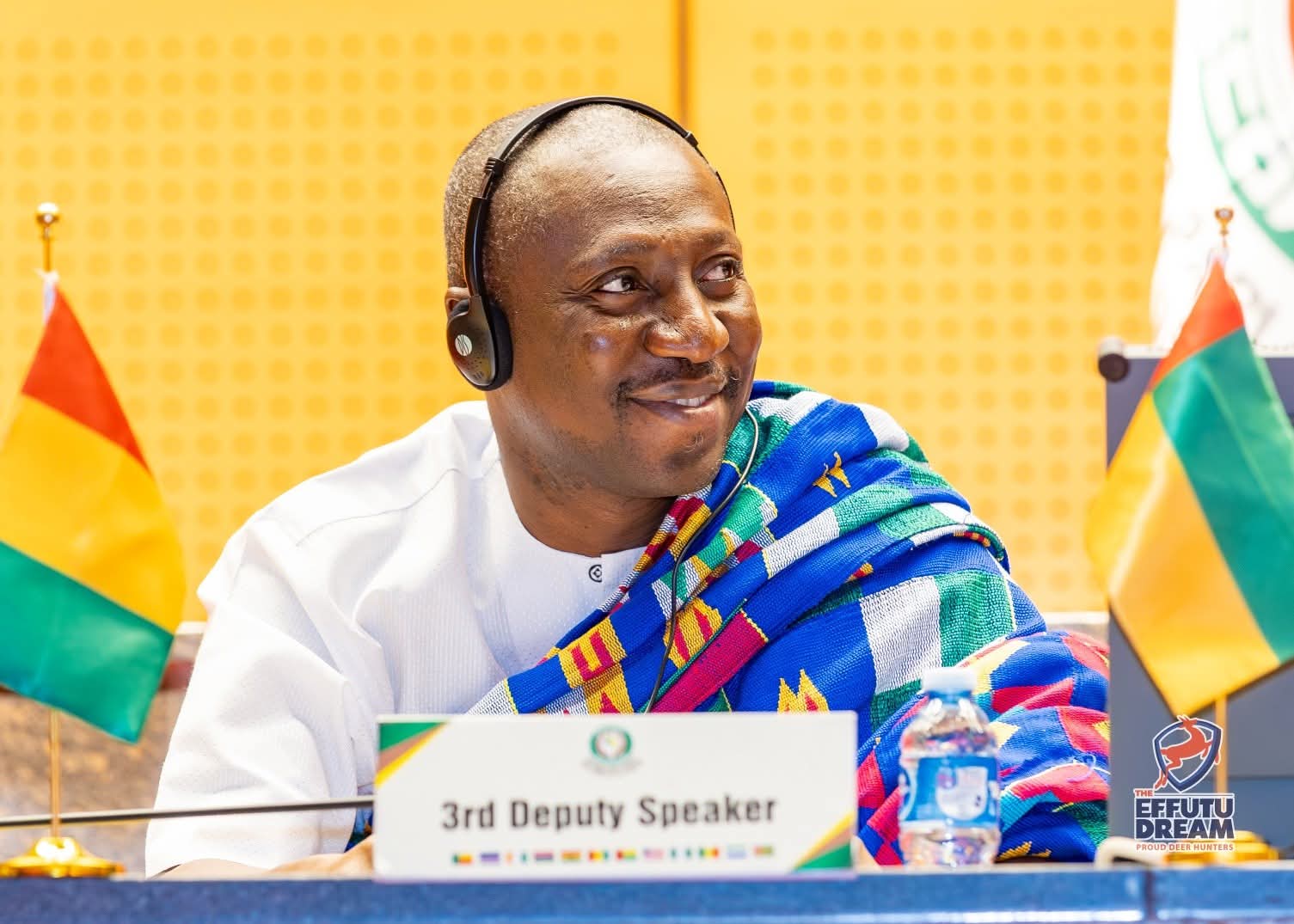
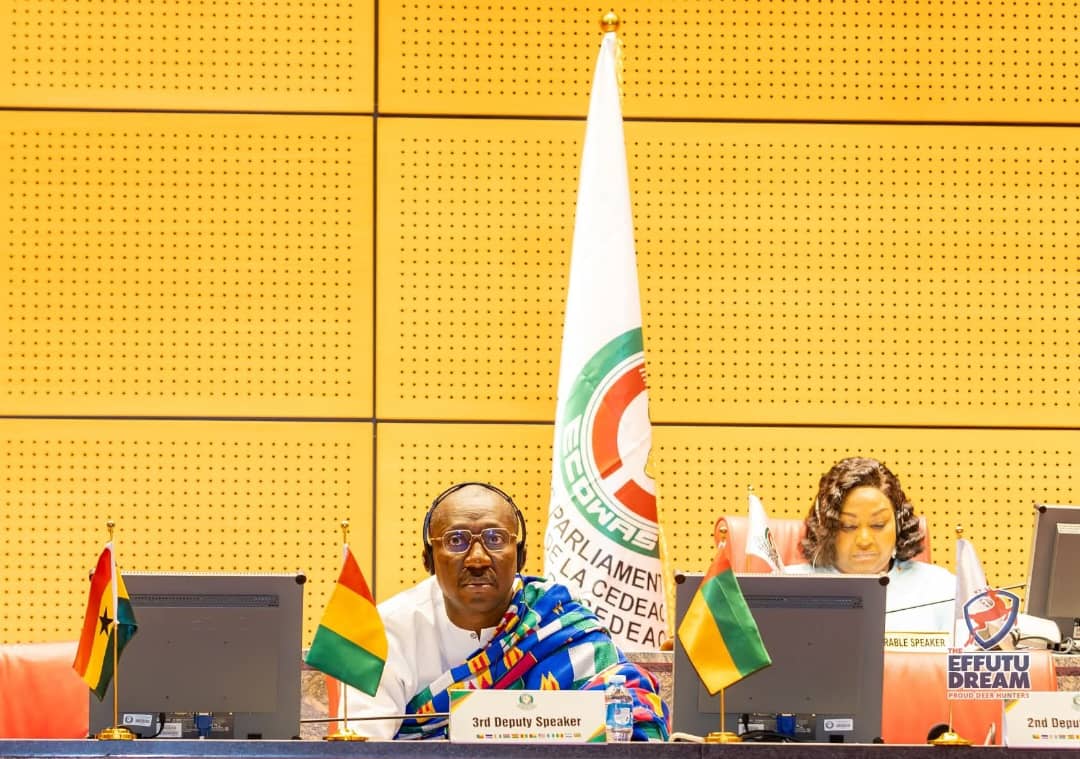
The Third Deputy Speaker of the ECOWAS Parliament has issued an urgent call for accountability and protection following the brutal killing of West African citizens in Burkina Faso and escalating xenophobic violence in South Africa, declaring, “a regional community that cannot protect its own citizens in transit has not yet earned its name.”
Speaking at the first ordinary session of 2026 in Abuja, Ghanaian delegate Osahene Alexander Kwabena Afenyo-Markin invoked Rule 71 of the Procedure of Compensation to address what he described as “matters of direct and profound importance” – including the killing of West African nationals, persistent violations of free movement rights, and attacks on African citizens in South Africa.
Afenyo-Markin recounted in graphic detail how on February 14, 2026, militants from an Al-Qaeda-affiliated group ambushed a truck carrying 18 Ghanaian tomato traders in northern Burkina Faso, separating the men from the women before shooting them dead and setting the vehicle ablaze with the driver still locked inside. “These were not statistics,” he told the chamber. “They were breadwinners, fathers and sons, the quiet engines of the regional supply chain that feeds our markets.”
He further warned that the April 25, 2026 coordinated offensive in Mali—which killed the country’s Defence Minister—has effectively severed the Ghana-Mali trade corridor, with Ghana’s Foreign Ministry stating it can no longer guarantee the safety of internationals on those routes. “A regional community that cannot protect its own citizens in transit has not yet earned its name,” he declared.
Turning to South Africa, the Deputy Speaker condemned widespread attacks across KwaZulu-Natal, Cape Town and Pretoria, where Ghanaians, Nigerians, Zimbabweans and Ethiopians have been killed, looted and displaced.
While acknowledging President Cyril Ramaphosa’s Freedom Day condemnation of xenophobia, Afenyo-Markin warned that “words delivered from a ceremonial platform do not arrest a single perpetrator” and demanded that South African authorities investigate, charge and prosecute every documented incident without impunity.
Afenyo-Markin also delivered a withering critique of ECOWAS’s own failures, noting that nearly half a century after the 1979 protocol on free movement, border officials continue to harass citizens at checkpoints across the region while national laws contradict community obligations. “The daily reality of our citizens contradicts the promise at every turn,” he said.
In his conclusion, the Deputy Speaker proposed five concrete actions:

- establishing a special select committee on the safety of ECOWAS citizens abroad,
- passing a resolution on free movement protocol rights,
- developing a parliamentary action plan on border governance,
- transmitting formal statements of concern to South African Parliament and the African Commission on Human Rights.
“The safety of our people,” he declared, “must never be a matter open to devastation.”
Kwaku Sakyi-Danso/Ghanamps.com