






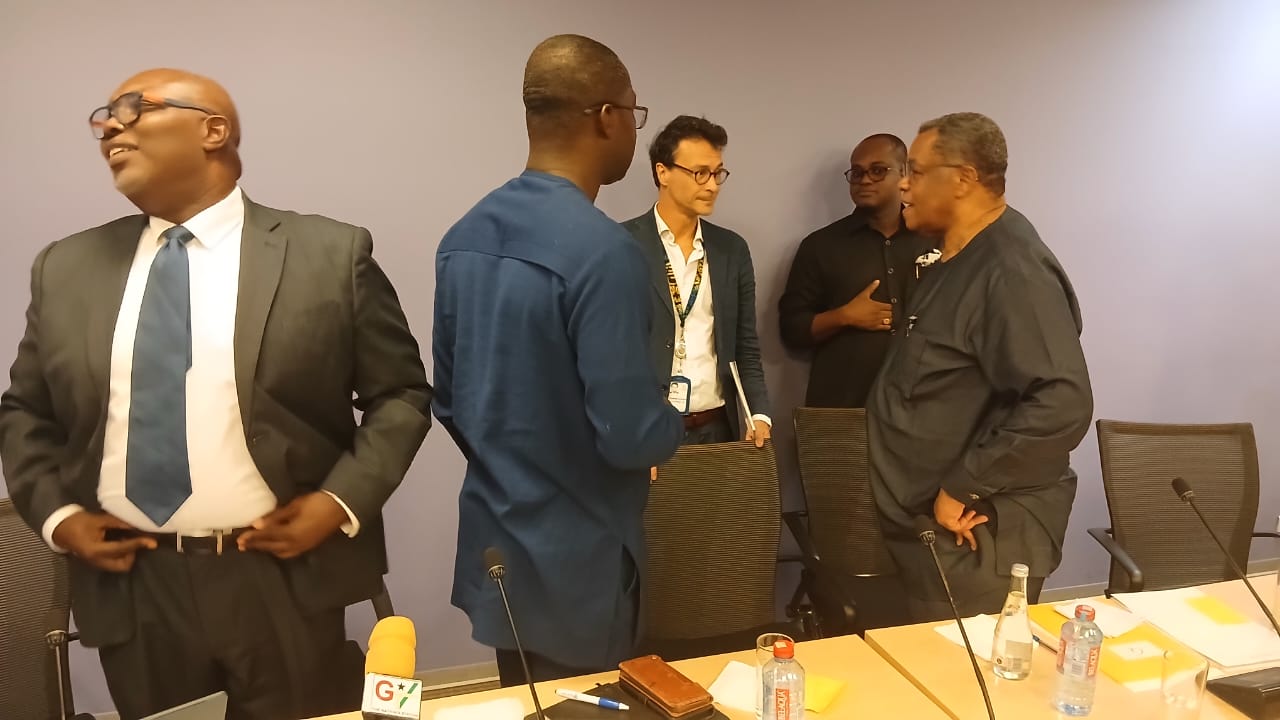
Policymakers, private sector leaders, and researchers gathered in Accra today for a joint seminar on “Rethinking Trade for Growth and Jobs in Ghana,” hosted by the World Bank, the African Center for Economic Transformation (ACET), and the Institute of Statistical, Social and Economic Research (ISSER).
Held at the World Bank Office in Accra with virtual participation, the 90-minute session focused on identifying concrete reforms to unlock trade’s potential as a driver of sustained and job-creating growth under Ghana’s 24-Hour Economy agenda.
Trade potential remains under-realized
In his opening remarks, Raymond Muhula, Lead Public Sector Specialist, framed the seminar as part of a new Transformation Webinar Series aimed at bridging research and policy. Regional Director Seynabou Sakho welcomed participants, while Minister of Trade, Agribusiness, and Industry Hon. Elizabeth Ofosu-Adjare delivered the opening remarks, emphasizing the government’s commitment to export-led growth.
The context for the discussion was clear: Ghana’s trade performance remains below potential due to restrictive policies, cumbersome facilitation processes, and a narrow production base. Participants agreed that shifting this trajectory requires a deliberate strategy and stronger alignment between policy and private sector needs.
Key insights from the panel

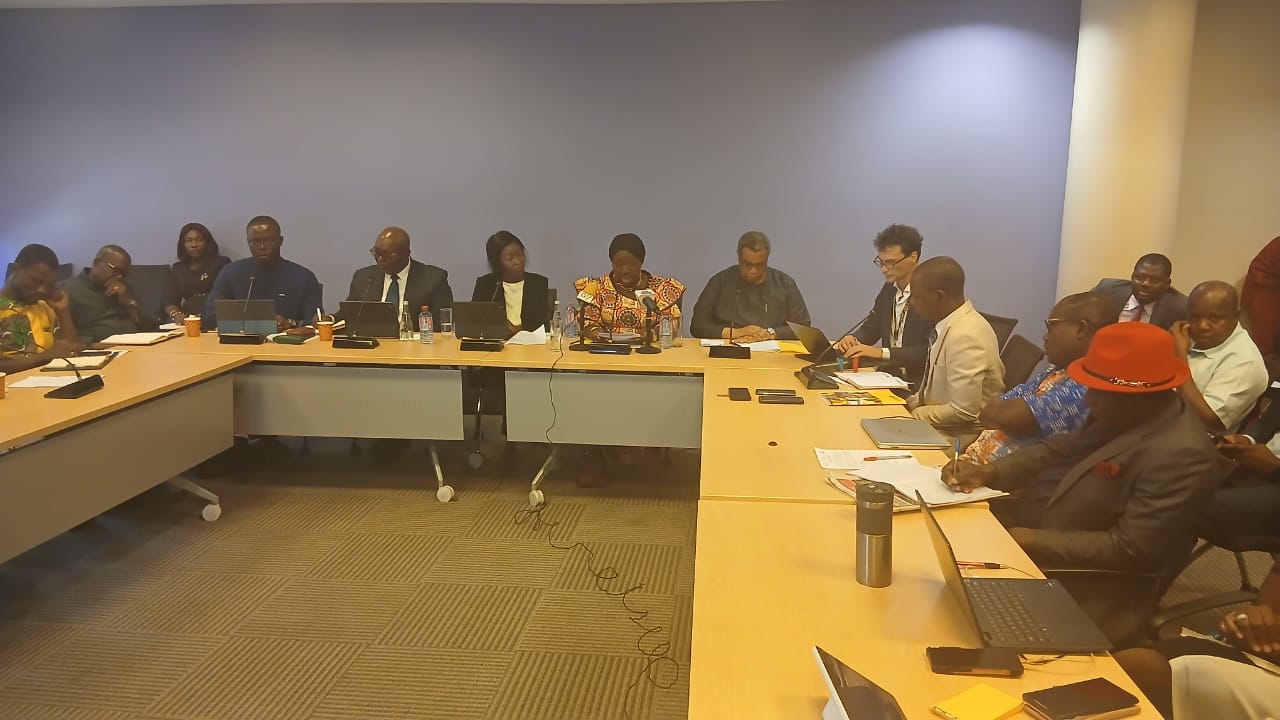
Senior Economist Rami Galai presented an overview of Ghana’s trade landscape, highlighting both structural constraints and opportunities for reform.
A panel discussion moderated by Leonardo Iacovone, Practice Manager, explored practical solutions. Panelists included:
– David Gowu, CEO, Business Outsourcing Services Association Ghana
– Prof. Robert Darko Osei, Director, ISSER, University of Ghana
– Goosie Tanoh, Presidential Advisor on the 24-Hour Economy, Office of the President
– Francis Kojo Kwarteng Arthur, CEO, Ghana Export Promotion Authority
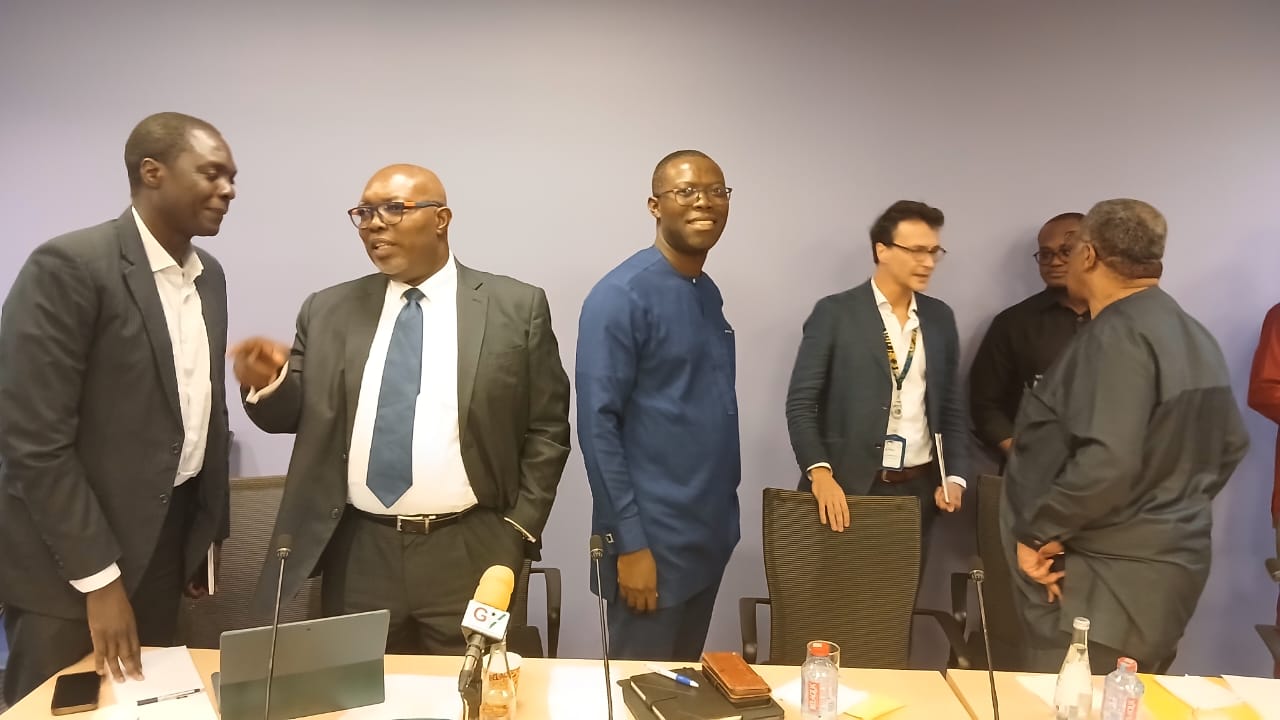
The panel stressed the need to scale existing trade facilitation systems, improve regulatory coordination, and invest in sectors with high export and employment potential. Goosie Tanoh outlined how the 24-Hour Economy initiative could integrate trade policy to boost productivity across supply chains, while Francis Kwarteng Arthur emphasized the role of export promotion in diversifying Ghana’s market access.
A call for systems over silos
Participants from government, the private sector, academia, and media agreed that Ghana must move beyond isolated interventions and build integrated systems that connect institutions, policies, and markets. The conversation also underscored the importance of talent development and supervisory capacity to sustain a competitive trade ecosystem.
The seminar brought together representatives from the Ministry of Trade, Bank of Ghana, GIPC, the 24-Hour Economy Secretariat, the AfCFTA Secretariat, AGI, the BPO Association, and leading trade researchers.
About the seminar series
The event is the 4th in a new joint seminar series between the World Bank, ACET, and ISSER designed to foster evidence-based dialogue on Ghana’s economic transformation. Organizers said insights from the session will inform policy recommendations and future engagements.