









Ghana has begun implementing one of Africa’s most advanced legal frameworks for digital assets, with a regulatory sandbox already admitting virtual asset firms for supervised testing, the Securities and Exchange Commission said at the 3iAfrica Summit in Accra.
Mensah Thompson, Deputy Director-General of Operations at the SEC, said the Virtual Asset Act, 2025, Act 1154 was assented to by the President on December 24, 2025, formally bringing virtual assets under regulation in Ghana.
“It is considered one of the most important legal frameworks introduced in the country’s financial industry,” Mr. Thompson told delegates. Third in Africa, but first to operationalize
While South Africa and Kenya were first to pass laws governing virtual assets, Ghana is now ahead on implementation, Mr. Thompson said. The SEC has released sandbox guidelines and admitted several businesses into a controlled testing program for digital asset operations.“Under regulatory oversight, the companies are presently exploring a variety of virtual asset offerings,” he said.
The sandbox allows authorities to monitor market activity, identify risks, and set operational limits and compliance standards for service providers.Data from the sandbox will also inform comprehensive standards for exchanges, trading platforms, virtual asset management, and custody services.
Activity-based licensing, not blanket approvals
Mr. Thompson explained that Ghana’s framework is activity-based. Firms must obtain licenses specific to the services they offer, rather than a single cryptocurrency license.The Bank of Ghana will oversee wallet services, payment systems, and fiat-backed stablecoins.

The SEC will regulate cryptocurrency exchanges, trading platforms, and tokenized assets backed by commodities or other real-world assets. Joint oversight to close loopholes
To ensure coordination, the law establishes a Virtual Assets Committee co-chaired by the Bank of Ghana and the SEC. Its mandate includes harmonizing monitoring, preventing regulatory gaps, and ensuring new developments in the ecosystem are properly supervised. “The strategy strikes a compromise between innovation and consumer safety, enabling fintech companies to create innovative products while guaranteeing appropriate risk management and market stability,” Mr. Thompson said. Why it matters
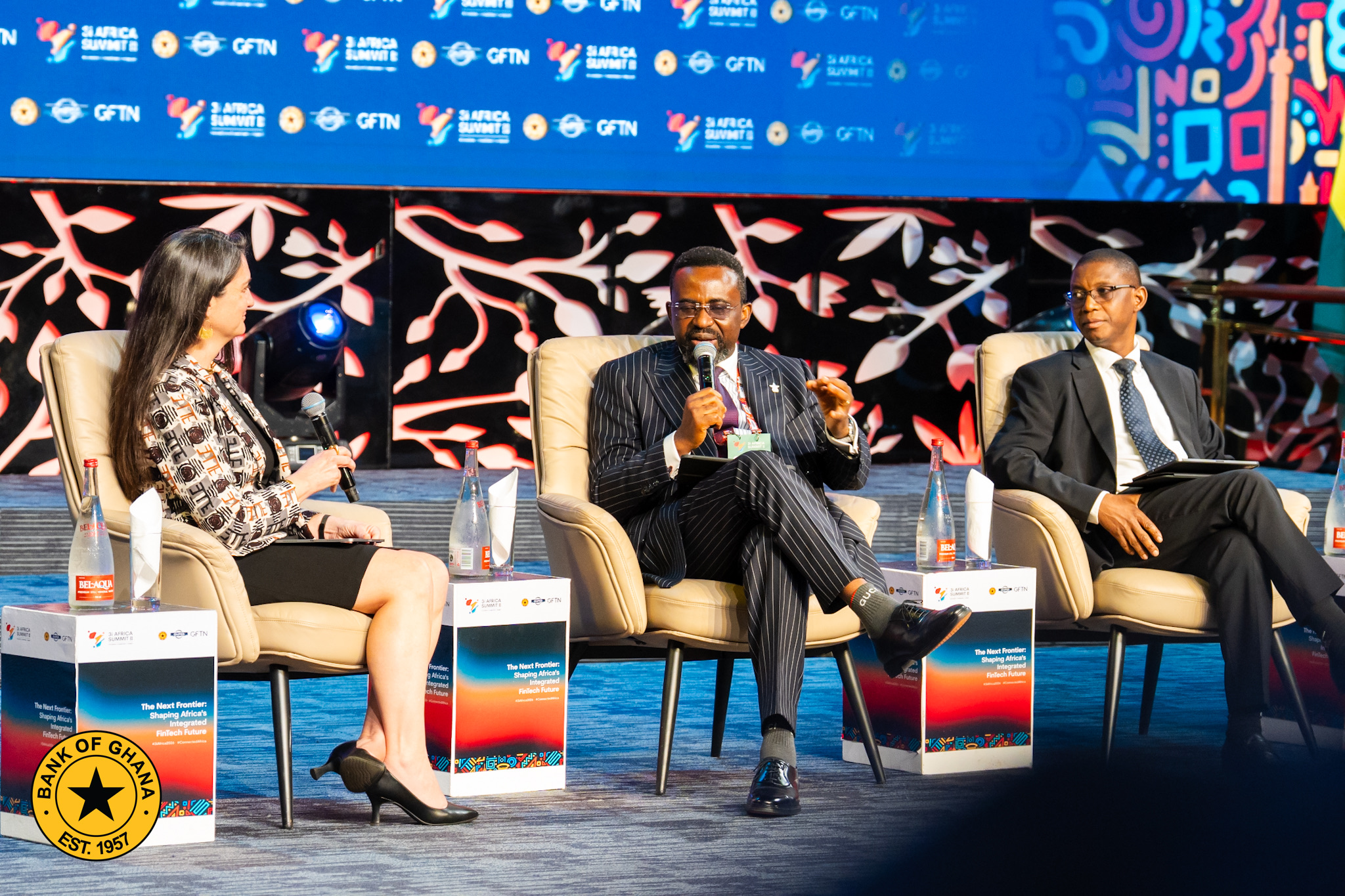
The move positions Ghana as a regulatory leader in West Africa’s fast-growing digital finance space. By testing firms in a sandbox before full licensing, regulators aim to balance innovation with financial stability and consumer protection.
The 3iAfrica Summit 2026 runs from May 6–8 at the Destiny Arena in Accra, convening regulators, investors, and fintech leaders to shape Africa’s digital finance agenda.