






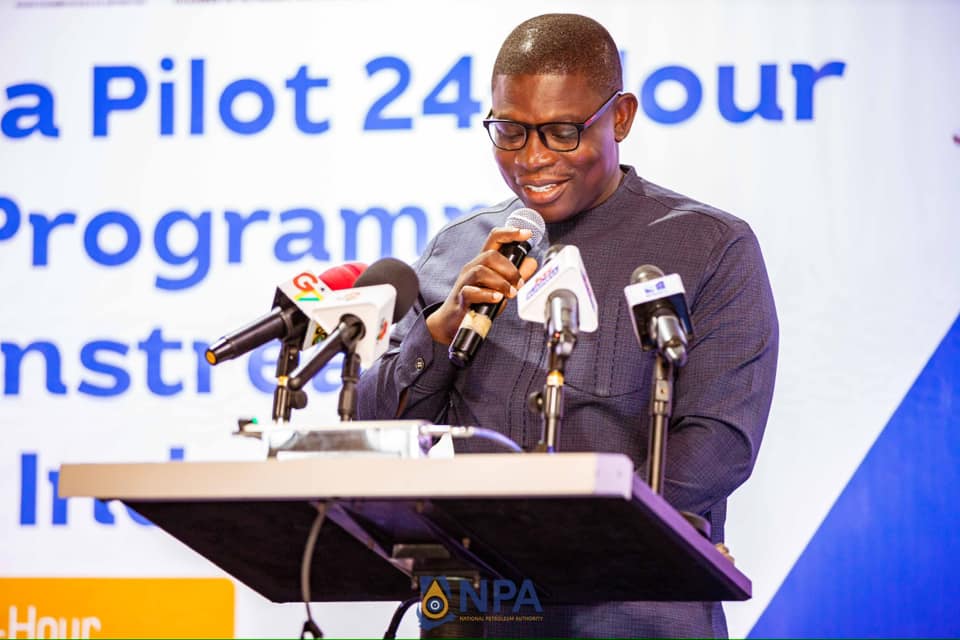
Deputy Minister of Energy and Green Transition Richard Gyan-Mensah has announced the commencement of the pilot, emphasizing the critical role of the petroleum sector in sustaining national progress. “The downstream petroleum sector plays a vital role in keeping Ghana moving,” Gyan-Mensah stated, underscoring how the programme aims to ensure fuel availability, logistics, safety, and service delivery are aligned with the needs of a modern, 24-hour economy.
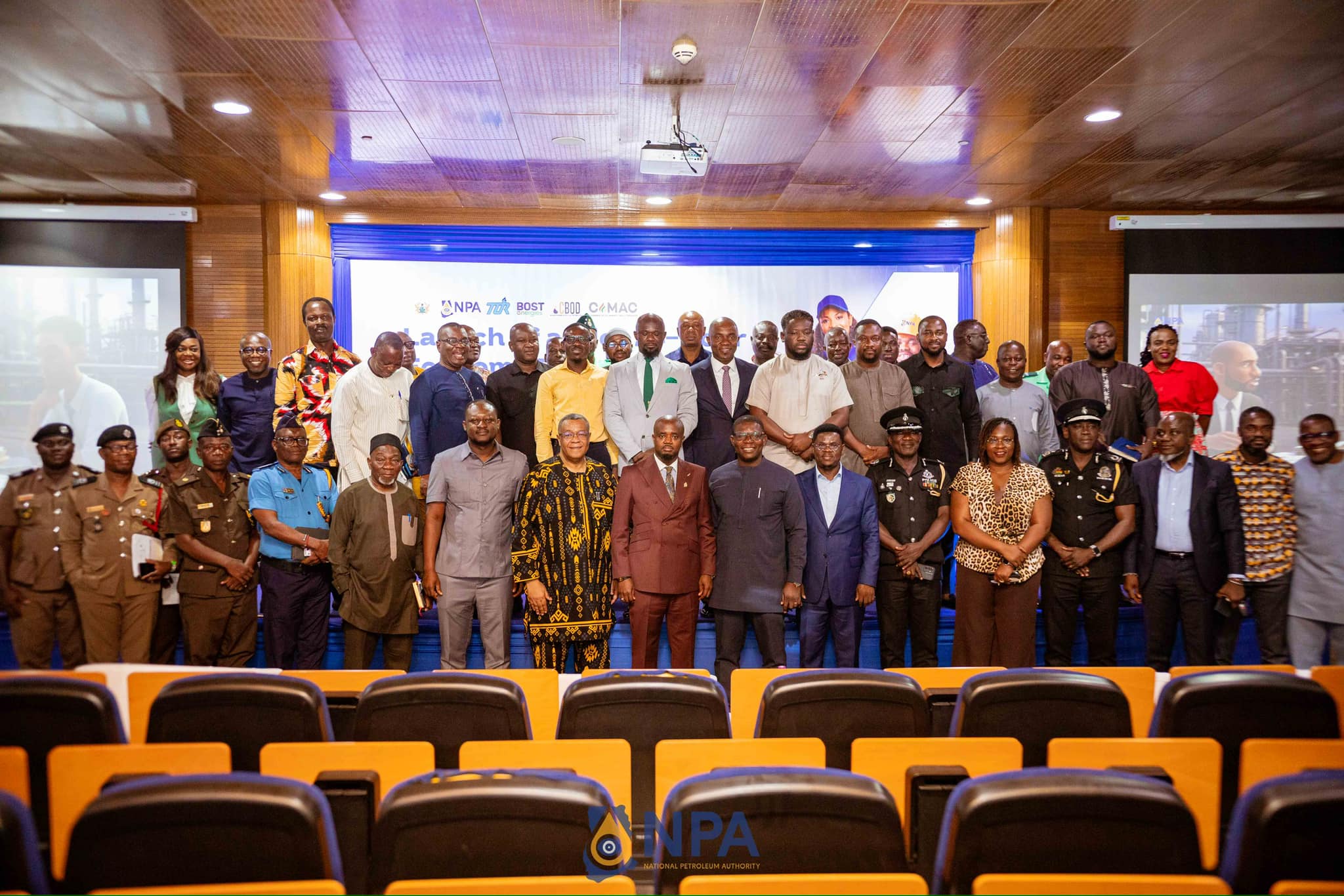
On behalf of Minister Dr. John Abdulai Jinapor, Mr. Gyan-Mensah Ghana has taken a bold step towards modernizing its economy with the official launch of the 24-Hour Economy Pilot Programme in the downstream petroleum sector. The initiative was unveiled during a high-profile event attended by government officials, industry leaders, and key stakeholders, highlighting the government’s commitment to building a resilient, efficient, and competitive nation.
This launch comes on the heels of the historic passing of the 24-Hour Economy Authority Bill into law, a major milestone in Ghana’s economic reform agenda. The bill represents a strategic move to boost productivity, resilience, and competitiveness across various sectors, transforming Ghana into a more dynamic and responsive economy.
Minister Jinapor expressed pride in transitioning from policy to practical implementation, highlighting that the success of the initiative will depend on how effectively institutions adapt and how citizens and businesses experience its benefits. “Energy is at the heart of every productive activity. Extending operational hours in the petroleum sector is not just about convenience—it’s about boosting efficiency, creating jobs, reducing delays, and instilling greater confidence among investors and consumers,” he said.
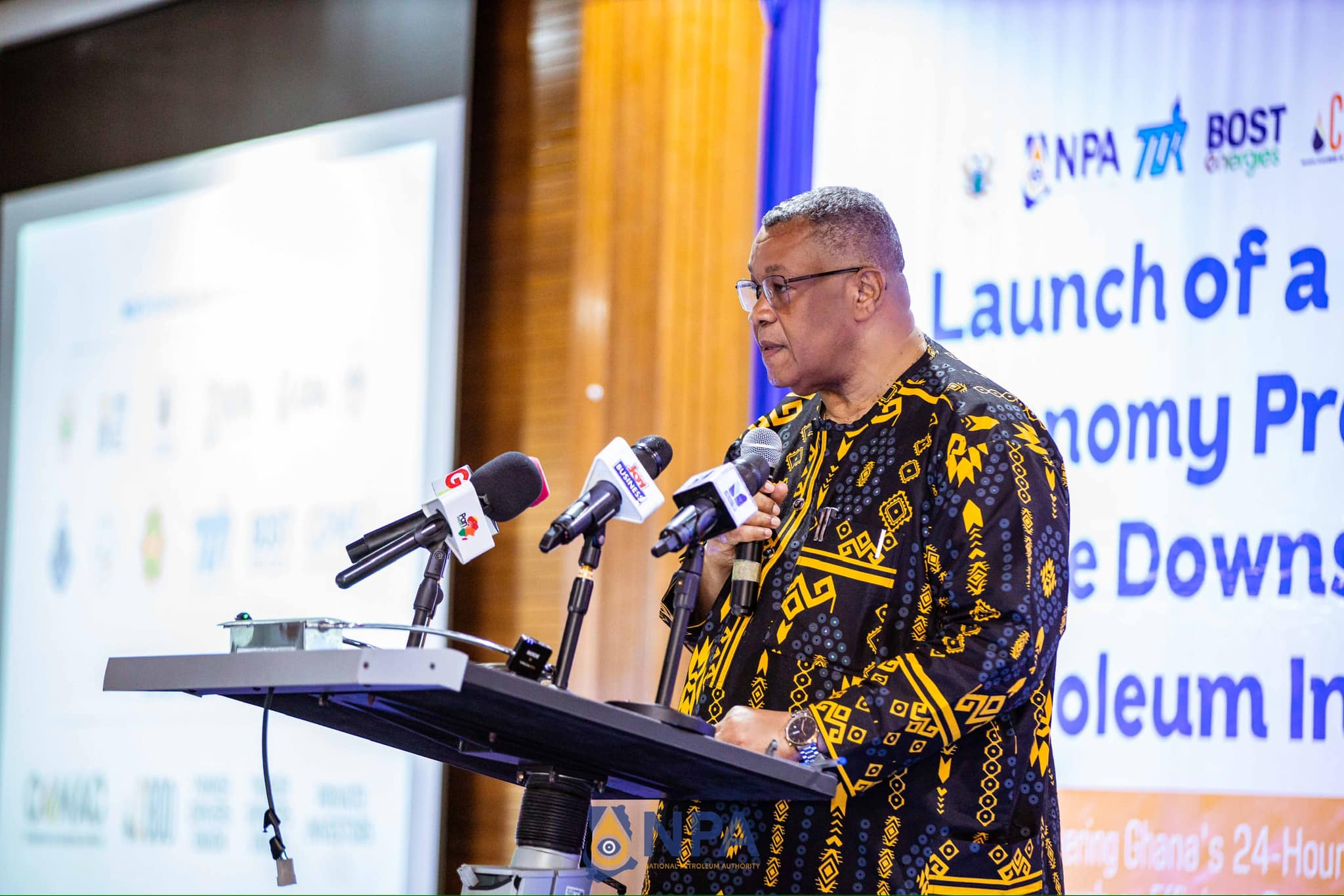

The pilot programme is designed to proactively address operational challenges and lay the groundwork for wider adoption across other key sectors. Industry stakeholders, including the National Petroleum Authority, Tema Oil Refinery, transporters, and marketers, have shown strong leadership and support, demonstrating their commitment to turning this vision into reality.
“As we build the Ghana we want—where systems operate efficiently and opportunities abound—we remain dedicated to implementing the President’s vision with purpose and determination,” Jinapor concluded.
This pioneering initiative underscores Ghana’s proactive approach to economic transformation, signaling that the country is not waiting for the future but actively shaping it today.