






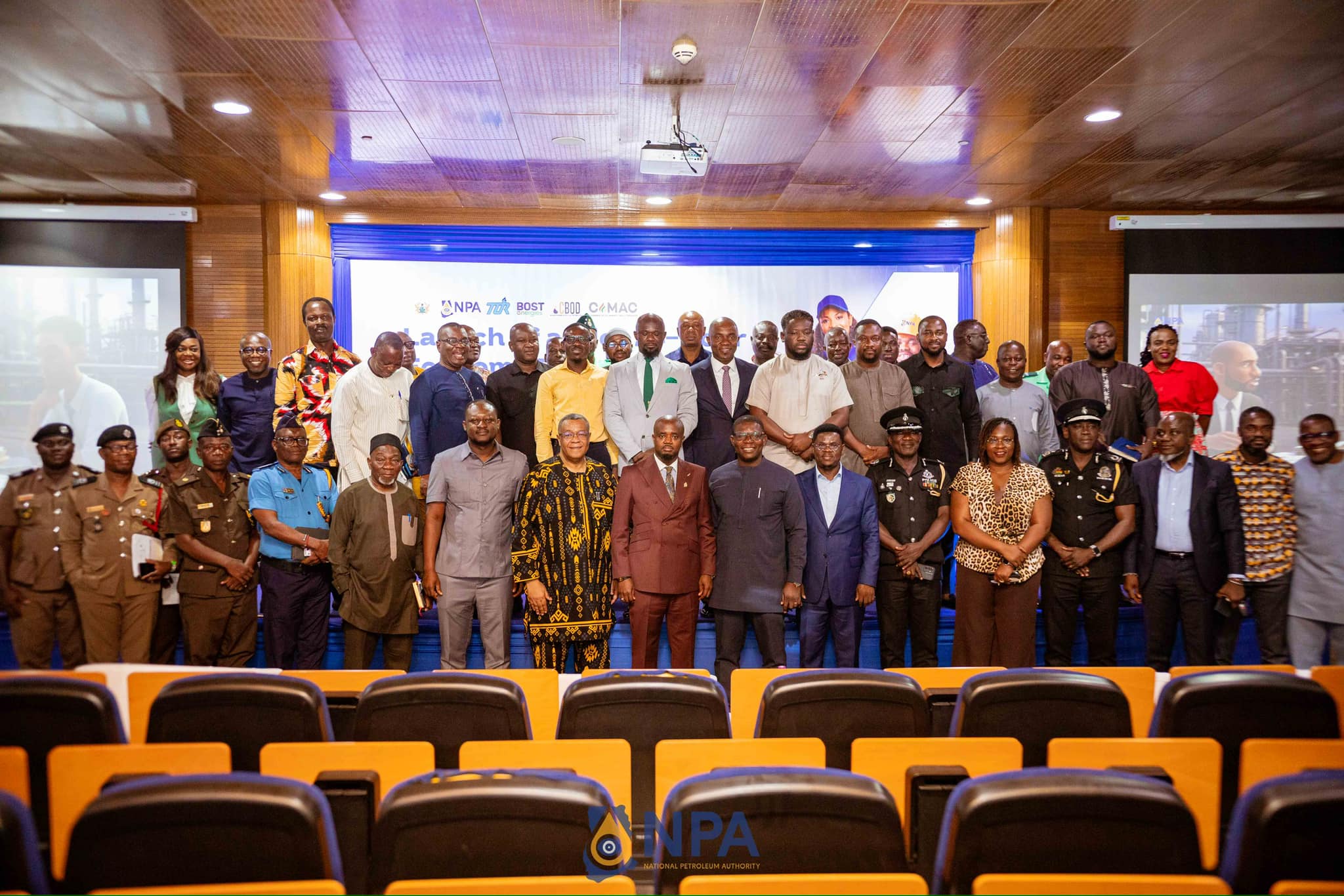
The National Petroleum Authority (NPA) has officially; launched Ghana is pioneering 24-Hour Economy Programme within the petroleum downstream sector, marking a significant step towards transforming the country’s energy and economic landscape.
Speaking at the pilot launch, Lawyer Godwin Kudzo Tameklo, Chief Executive of the NPA, emphasized the importance of this initiative in driving economic growth and improving service delivery across Ghana.
He highlighted that the program aligns with President John Dramani Mahama’s vision for transformative economic expansion and aims to optimize the efficiency of the petroleum industry.
“The theme for this launch, ‘Powering Ghana’s 24-Hour Economy Through an Efficient Petroleum Downstream Sector,’ underscores our collective commitment to operational excellence and inclusive participation across the entire downstream value chain,” Mr. Tameklo stated.
The pilot phase will cover key installations, including fuel stations, depots, refineries, and LPG outlets across four regions—Greater Accra, Ashanti, Western, and Northern—encompassing 268 fuel stations, eight depots, and two refineries. This phased approach aims to test systems, refine operational models, and ensure sustainability.

The initiative was driven by extensive consultations with industry stakeholders, the formation of dedicated steering and technical committees, and the signing of a Memorandum of Understanding (MoU) between the NPA and the 24-Hour Economy Authority. These steps have laid a robust foundation for the rollout, which is expected to enhance logistics, reduce congestion, and create new employment opportunities.
Mr. Tameklo also emphasized the deployment of modern technology for real-time monitoring and highlighted that safety and security remain top priorities. The collaboration with security agencies such as the Ghana Police Service, Ghana National Fire Service, and others will ensure that all facilities operate under strict safety standards.

Private sector investments and innovations are vital for the success of this transformative project. The NPA reaffirmed its commitment to a transparent onboarding process for all participating Petroleum Service Providers (PSPs), with a focus on professionalism and safety.
As Ghana embarks on this bold journey towards a 24-hour economy, officials believe it will unlock the full potential of the petroleum sector, boost economic activity, and contribute significantly to national development.
The pilot programme is set to pave the way for a resilient, efficient, and inclusive energy future for Ghana.

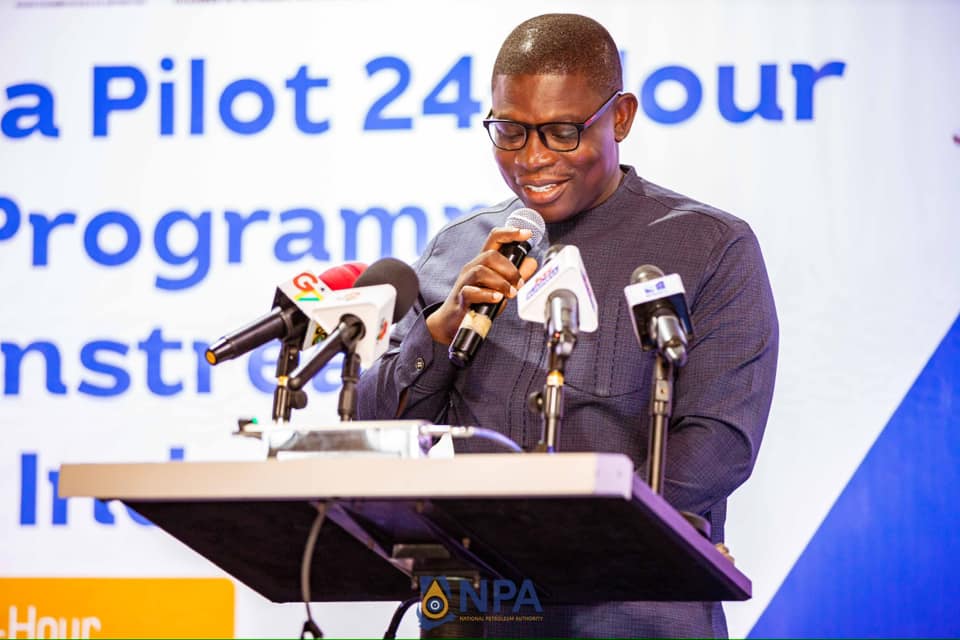
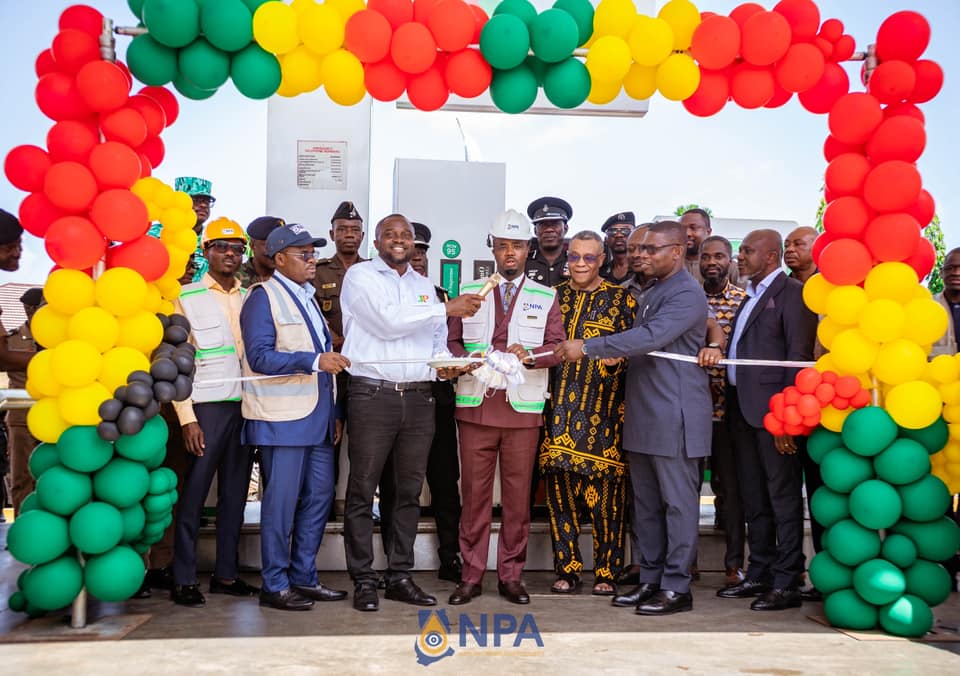
The launching was done by Richard Gyan-Mensah the Deputy Minister for Energy and Green Transition.
This phased approach is to allow for testing of systems, refining of operational models, and ensuring that the transition is efficient, safe, and sustainable as the programme fuels Ghana’s progress, day and night.
The event was attended by key officials like Edmond Kombat, Managing Director of the Tema Oil Refinery, Managing Director of BOSTenergies Dr. Afetsi Awoonor, the Chief Executive Officer of Chamber of Oil Marketing Companies (COMAC), Dr. Riverson Oppong as well as industry players, security agencies, and representatives from the oil marketing and refinery sectors.
This initiative follows the signing of a Memorandum of Understanding just six weeks ago between the NPA and the 24H+ Secretariat, and today; it becomes operational across four major regions: Greater Accra, Ashanti, Western, and Northern.
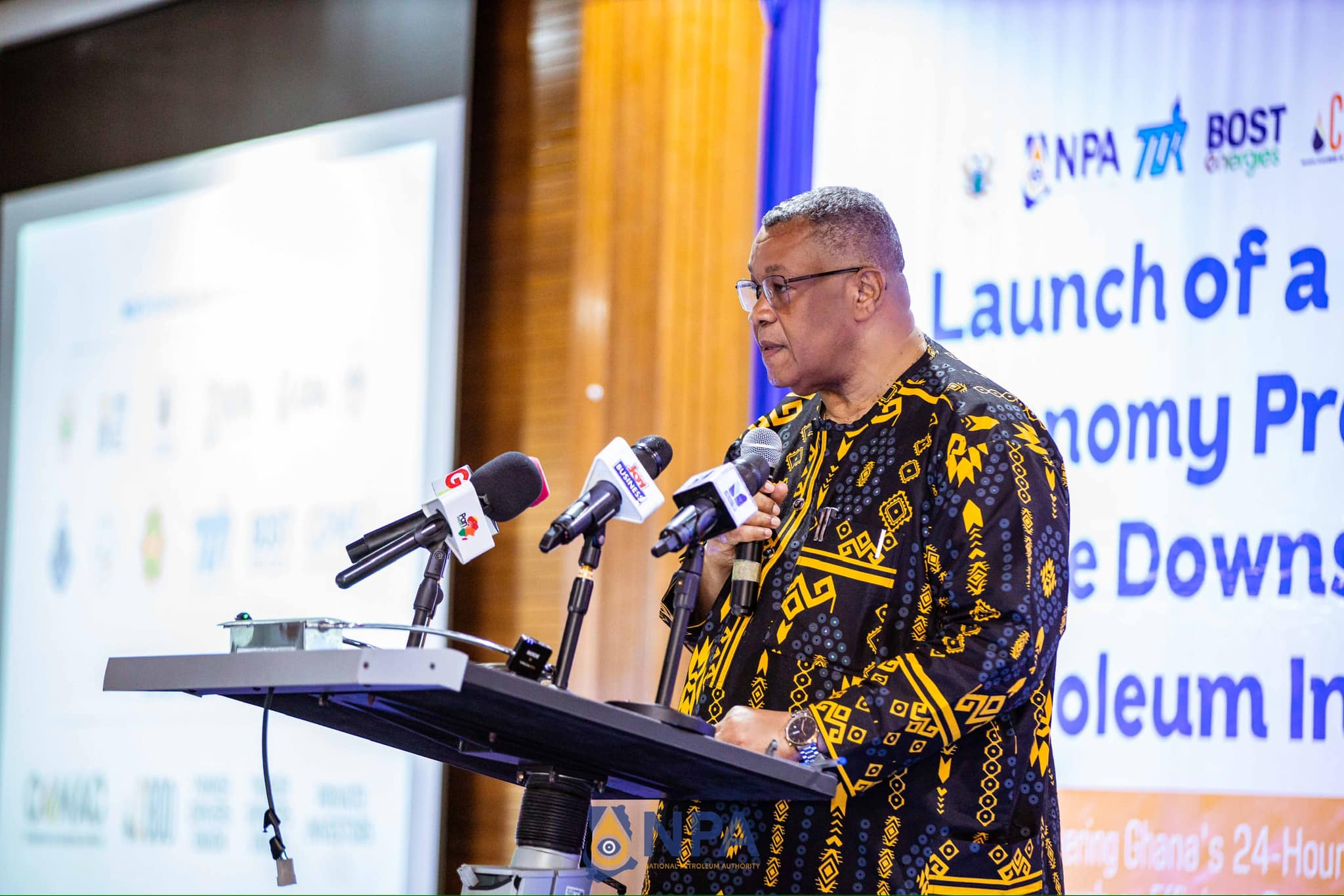
In his address, Augustus Goosie Tanoh, Presidential Adviser on the 24-Hour Economy and Accelerated Export Development, emphasized the importance of this project as a catalyst for national growth. He explained that Ghana’s economy is currently operating below its full capacity, with factories, farms, and infrastructure often idle for hours, limiting production and income generation.
According to him, the 24-Hour Economy aim to address this by extending operational hours, starting with the petroleum sector, which underpins all other productive activities. Mr. Tanoh highlighted that the pilot will run for six months, gathering crucial data to inform a potential nationwide rollout.
The pilot initiative seeks to reduce fuel stockouts and queues, especially along key corridors like Accra–Kumasi and Accra–Tamale, while shortening transit times from depots to forecourts.
By operating round-the-clock, participating fuel stations and depots will create new jobs and improve supply chain efficiency.
Operators meeting safety, lighting, staffing, and digital monitoring standards will be enrolled into a certification program, supported by incentives and financial packages being finalized with government agencies. The effort underscores Ghana’s commitment to harnessing its productive capacity and creating a more resilient economy.
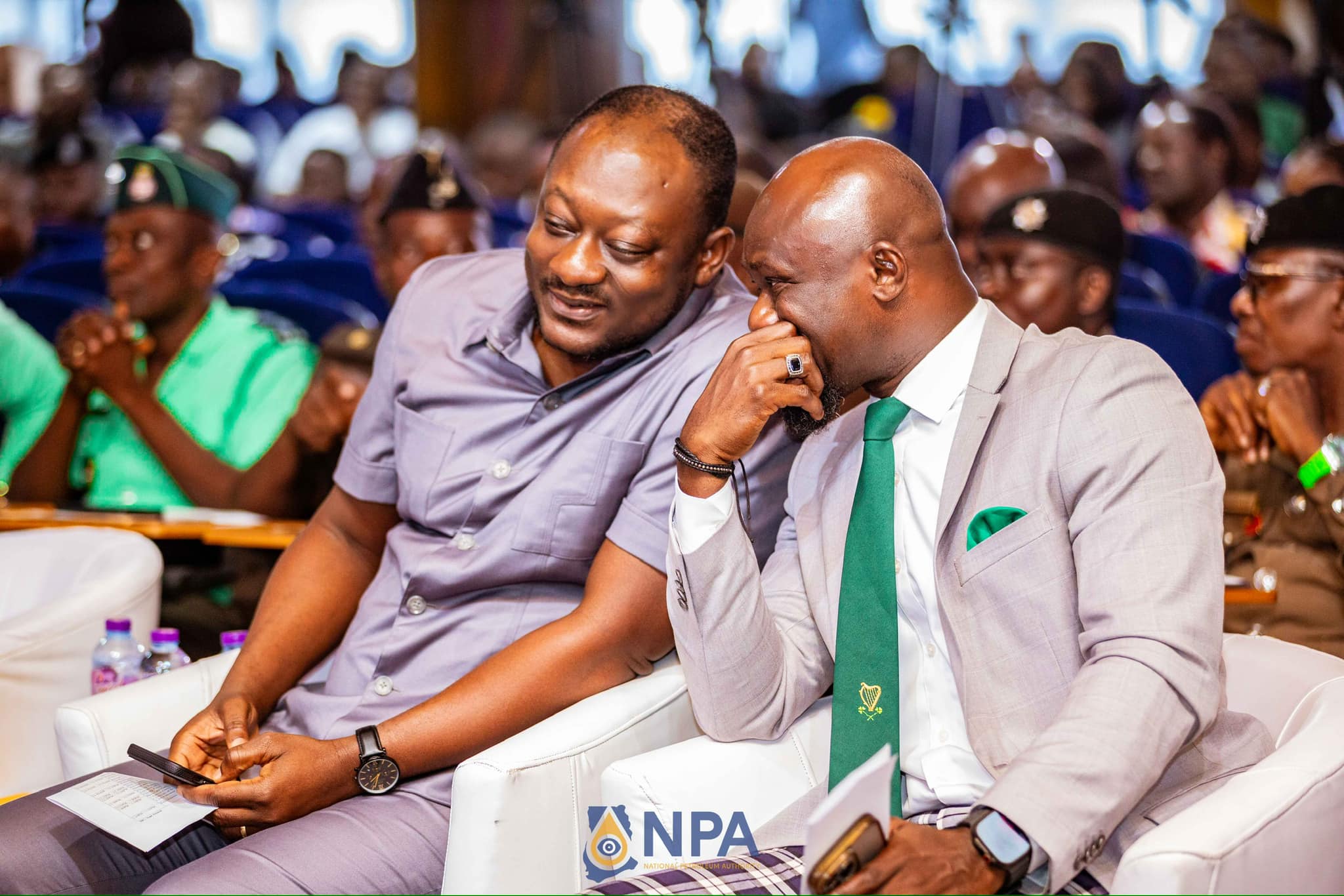
Hon. Tanoh concluded by thanking the government, security agencies, industry players, and operators for their early adoption of this bold initiative. He reaffirmed that the work launched today is the beginning of a broader effort to expand working hours across sectors, absorb the increasing labor force, and ultimately drive economic growth. The success of this pilot will determine Ghana’s trajectory toward a more dynamic, 24-hour productive nation, with the government expressing strong support for the transformative potential of this initiative.