







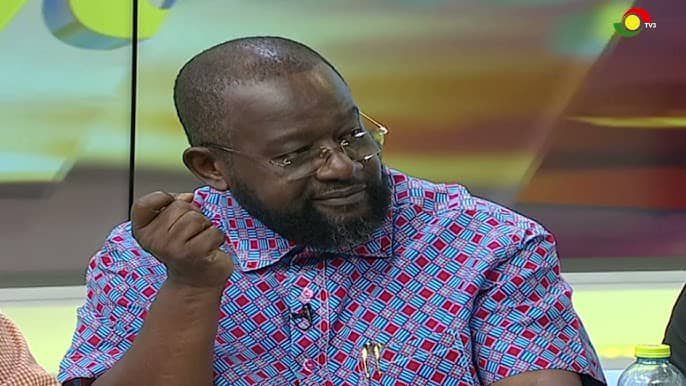
Former Convention People’s Party (CPP) General Secretary, Kwame Jantuah, has rejected claims that the New Patriotic Party (NPP) and its political tradition are the doyens of democracy in Ghana.
Jantuah made the remarks during a panel discussion on TV3’s New Day on Friday, August 28, hosted by Johnnie Beresford Ackah Blay.
He questioned the basis of claims that the NPP and the United Party (UP) tradition from which it emerged are the doyens of democracy.
“When Kamal-Deen says the NPP, or the UP tradition which NPP comes out from, are doyens of democracy, what does he mean?” Jantuah asked.
He cited the 1956 elections and questioned the UP tradition’s opposition to the electoral process, arguing that the political tradition was given opportunities to participate but lost the elections.

Jantuah also criticised the conduct witnessed in Parliament during the recent vetting process, describing it as disrespectful and misbehavior by actors in Parliament.
He said members of the Appointments Committee must respect the authority of its chairman, who is responsible for regulating proceedings and maintaining order.
“What we saw yesterday, was it not disrespectful from the Minority Leader? Was it not misbehavior on the part of the Minority Leader?” he asked.
Jantuah further called for reforms to the parliamentary vetting process, proposing greater involvement of civil society organisations (CSOs) with expertise in specific sectors.
According to him, CSOs could help ensure that nominees are asked more substantive and technically relevant questions on issues such as the environment, chieftaincy and illegal mining.
He argued that although MPs represent the people, party considerations could sometimes influence the questions they ask during vetting.
“The members of Parliament, opposition and the party in power, will ask questions in favour of their party, not generally in favour of country,” he said.
Jantuah therefore urged Parliament to make the vetting process more meaningful and informative to the public, insisting that nominees should be subjected to pertinent questions that address the concerns of ordinary Ghanaians.
By Julius Blay