







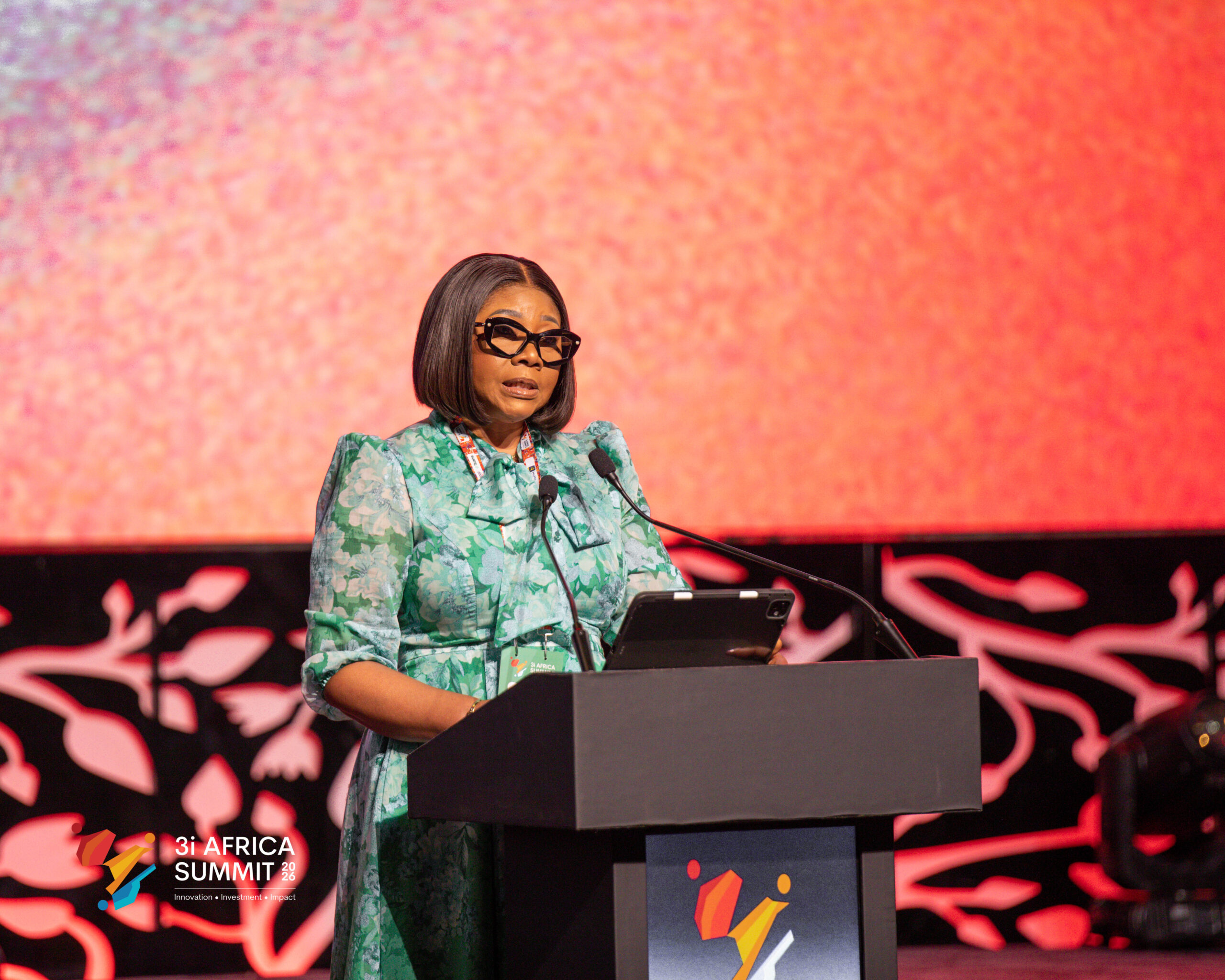
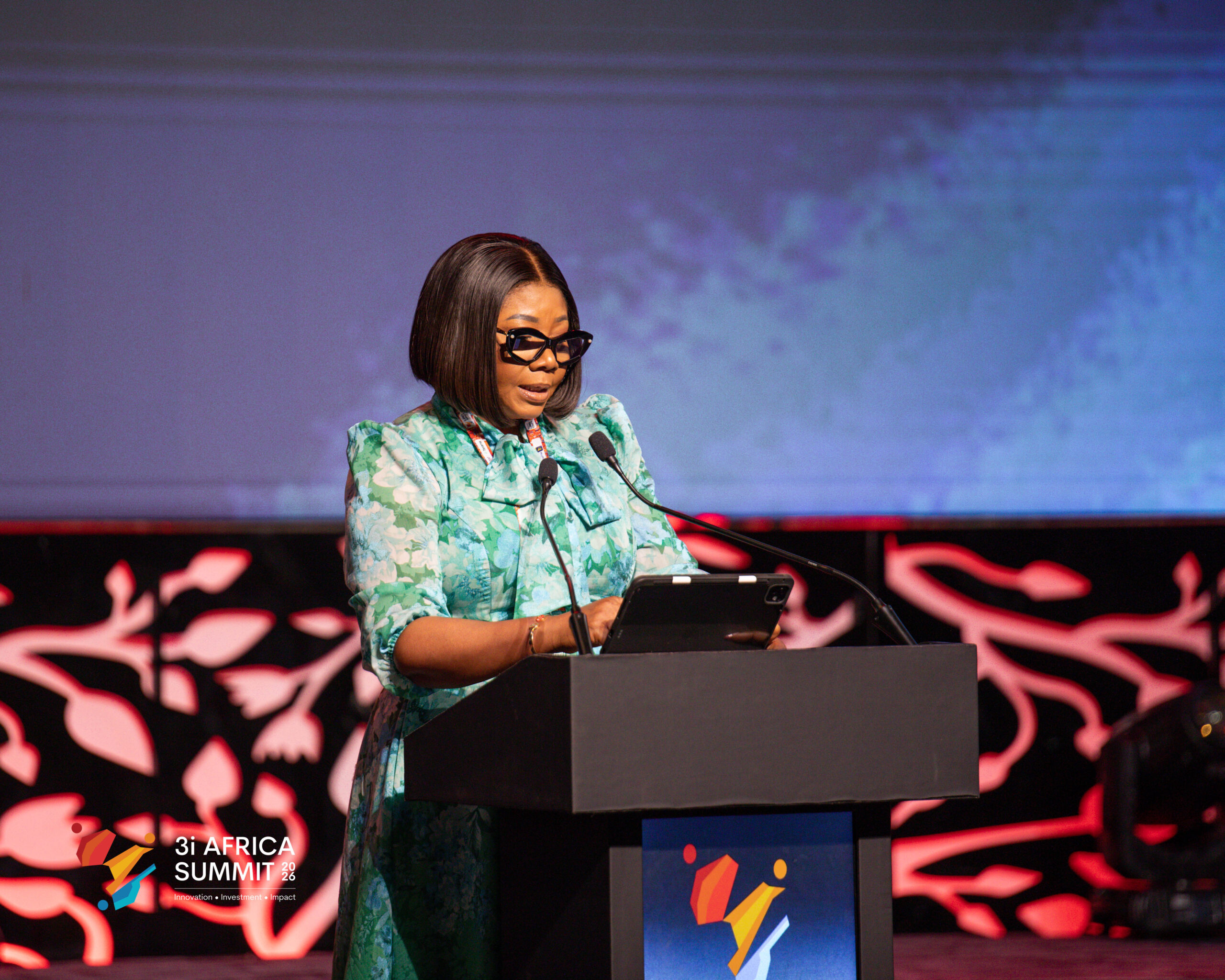
Africa’s digital transformation will worsen inequality unless policymakers design systems around the continent’s own realities, Bank of Ghana Second Deputy Governor Matilda Asante-Asiedu has warned.
Speaking on Day Three of the 3iAfrica Summit in Accra, Mrs. Asante-Asiedu said innovation alone cannot deliver inclusion.
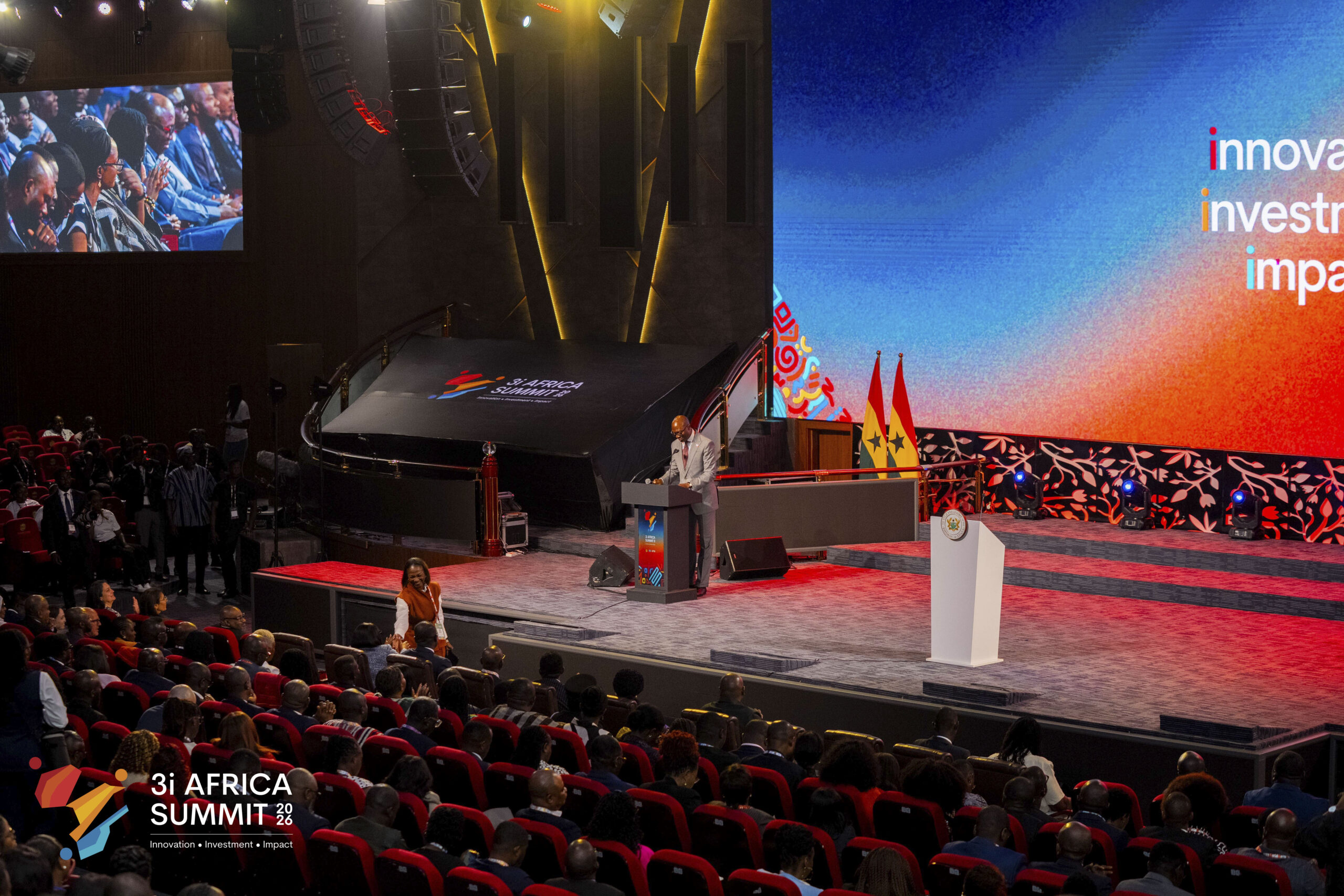
She called for stronger digital infrastructure, coordinated regulation, and systems tailored to African needs.
“Innovation without infrastructure cannot and does not scale. Investment without systems does not reach people, and impact without inclusion will not last,” she said in a keynote titled _“The Policymaker’s Perspective: The Architecture of Inclusion – Building Africa’s Digital Future on African Terms.”_
Mrs. Asante-Asiedu argued that Africa should not replicate foreign digital models.
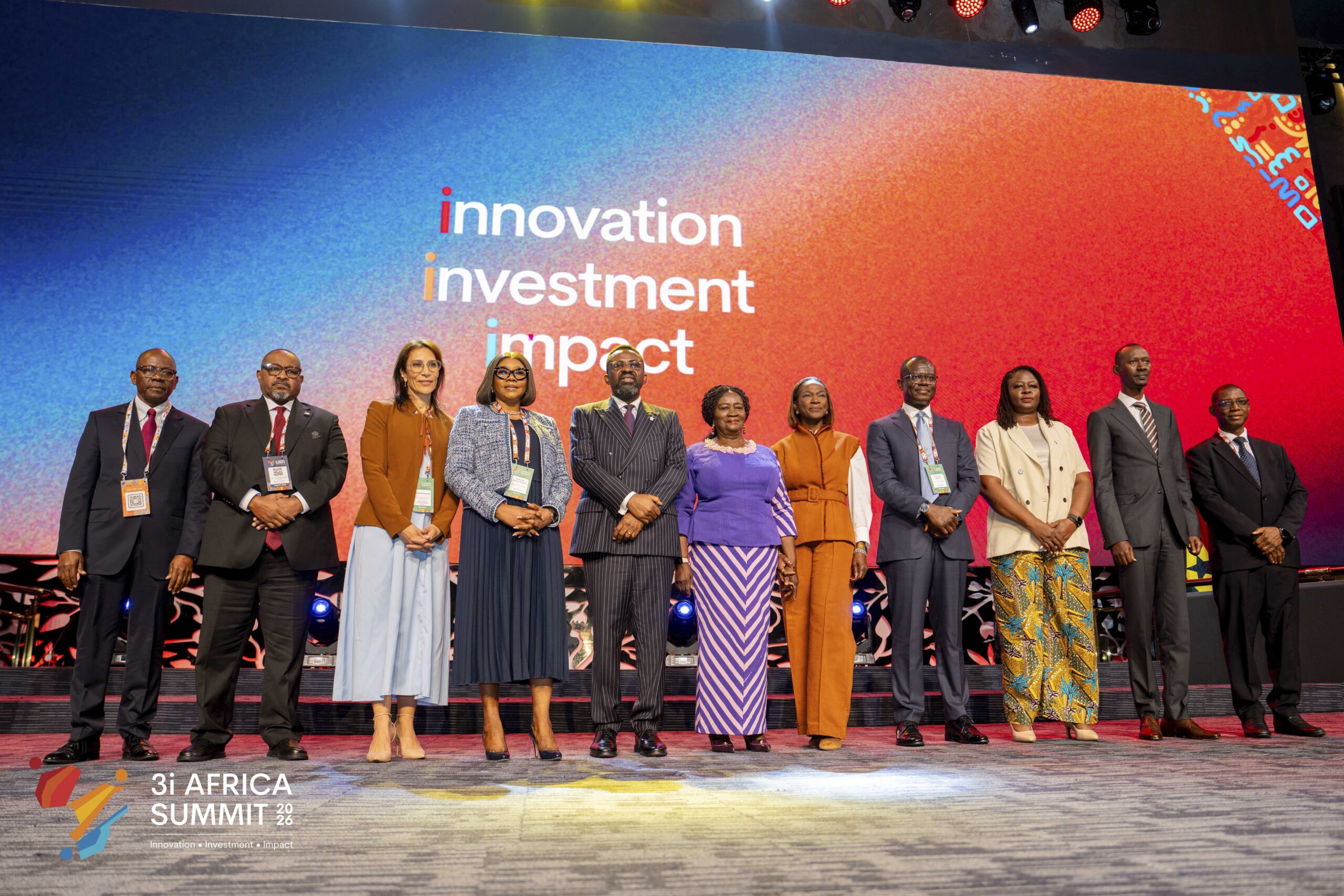
Instead, systems must work for African users and connect across borders to achieve scale.
“If Africa is going to build a digital future on its terms, then we must be clear what that means.
It means designing systems that work for Africa and connect across the continent for scale,” she said.
She pointed to Ghana’s mobile money ecosystem as proof. Financial inclusion expanded rapidly because services were built around basic phones and USSD technology, not smartphones and apps.
That approach allowed millions without smartphones or internet access to transact digitally by leveraging infrastructure already in use. Citing the World Bank Global Findex Report, she said Ghana’s financial inclusion rate now stands at 81%, largely due to mobile money and USSD services.
“For millions of people, that model has done more for financial inclusion than any sophisticated solution,” she said.
She highlighted mobile money agents as central to Ghana’s strategy as roadside vendors and kiosk operators handling cash-in and cash-out transactions are not peripheral, she said.
“The woman at the roadside, in that corner shop, in that kiosk, who handles your cash-in and cash-out, is not some side conversation. She is central to the inclusion strategy,” she noted.
Focus on real barriers:
She urged policymakers to prioritize solving practical barriers facing ordinary citizens rather than chasing technology for its own sake.
“What barriers do our people face today?” she asked, stressing that inclusion, interoperability, and trust must guide Africa’s next phase of digital growth.
The 3iAfrica Summit 2026 runs from May 6–8 in Accra, convening regulators, fintech leaders, and investors to shape Africa’s digital finance agenda.