







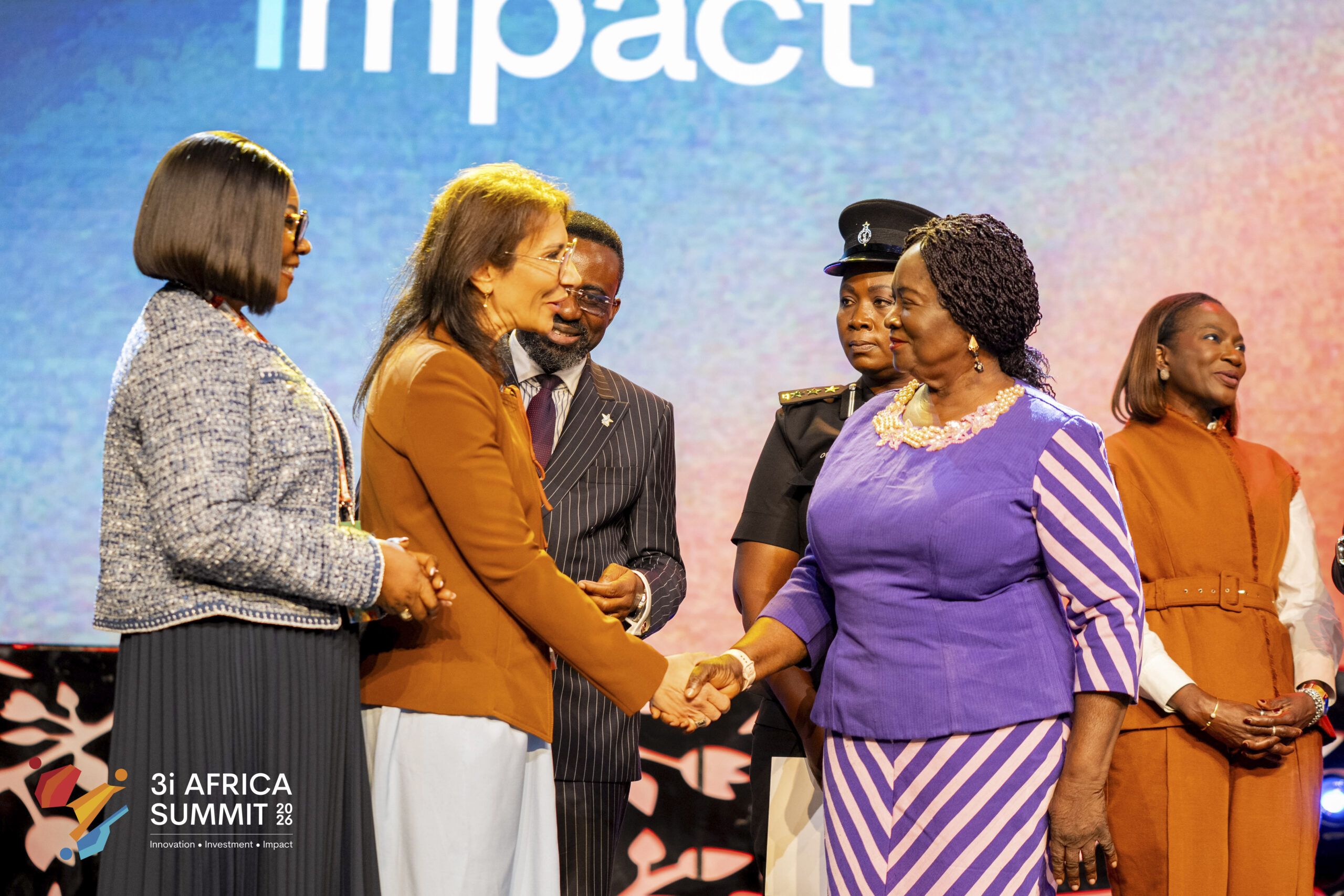
Ghana will pilot a continental digital trade corridor with Rwanda, Zambia and other African countries to boost cross-border commerce, Vice Presidentnof Ghana Professor Jane Naana Opoku-Agyemang announced today at the 3iAfrica Summit in Accra.

The pilot will test mobile money interoperability, mutual recognition of digital identity for cross-border KYC, and harmonized electronic invoicing — steps aimed at cutting costs and delays in intra-African trade.
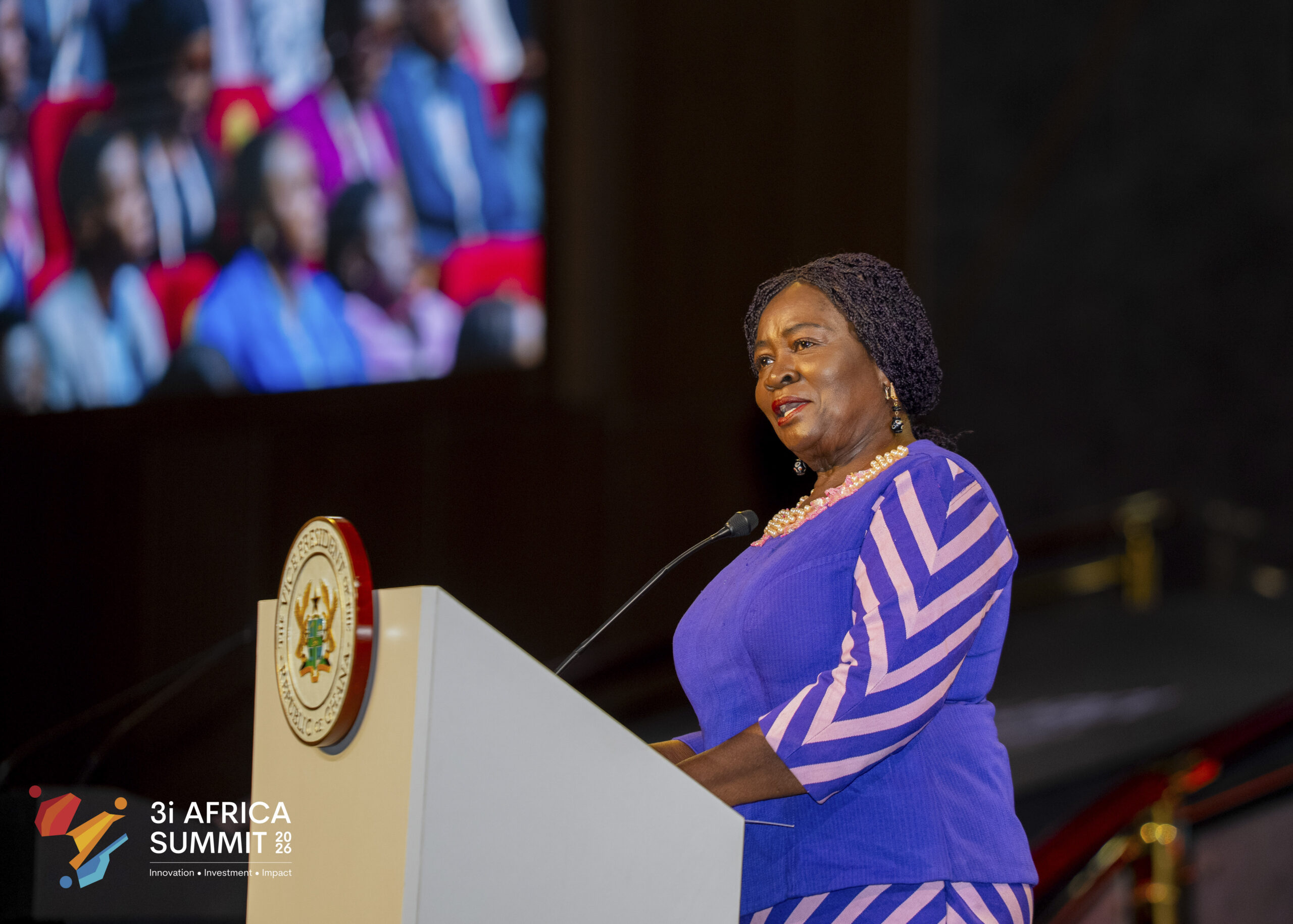
Speaking on behalf of President John Dramani Mahama, the Vice President said Africa must move beyond being labeled a “frontier” and instead organize itself to compete, integrate, and build at scale.
“Ghana’s position rests on decades of political stability, a commitment to openness, and a decision to host the Secretariat of the African Continental Free Trade Area,” she said.
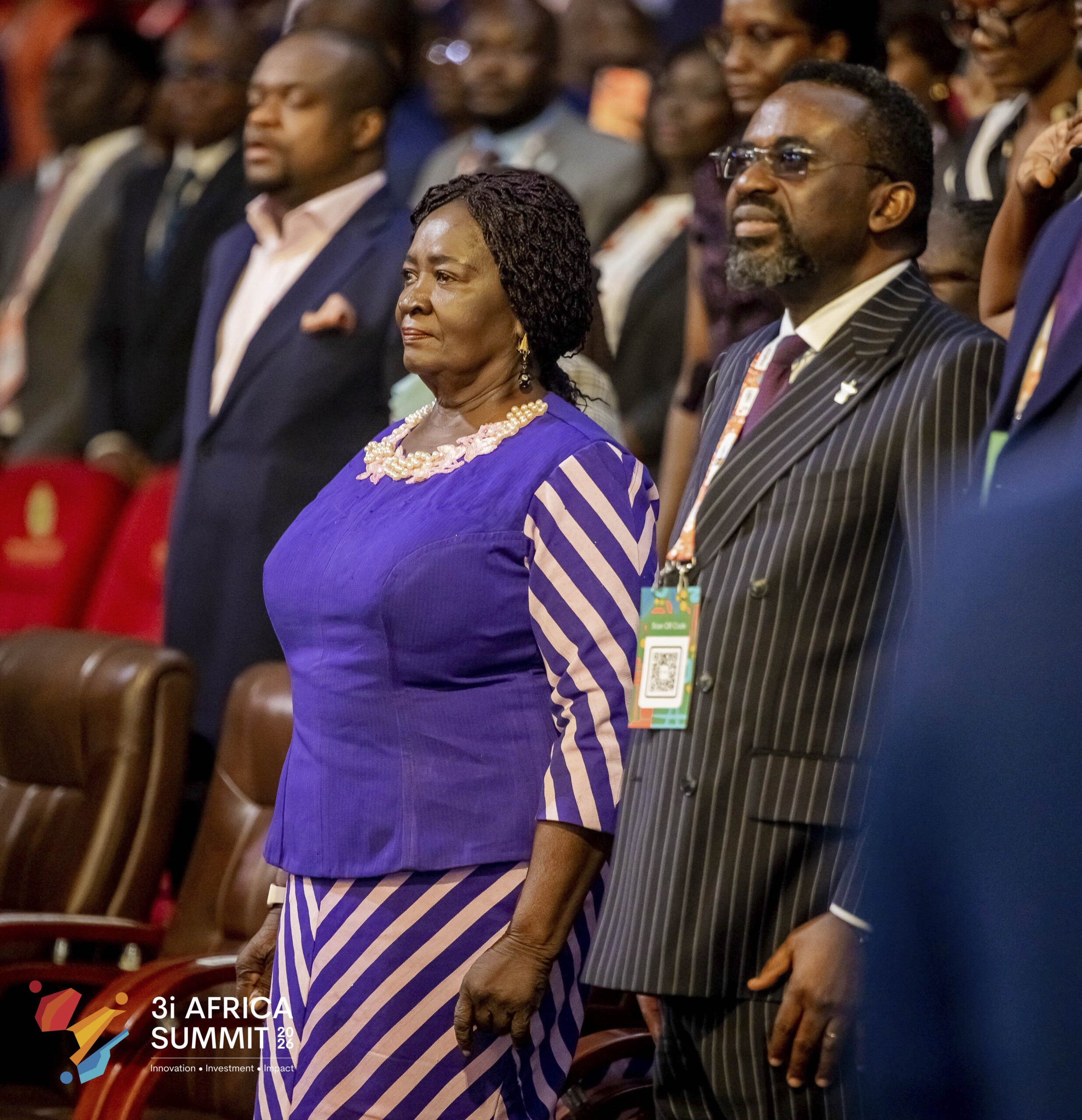
But she stressed that being a gateway is not symbolic — it must be measured by whether transactions clear quickly, businesses connect efficiently, and markets operate with certainty.
Economic sovereignty, she argued, now depends on digital integration. “From traders to smallholder farmers, to software engineers, participation increasingly depends on the ability to transact, be identified, and operate across borders.”
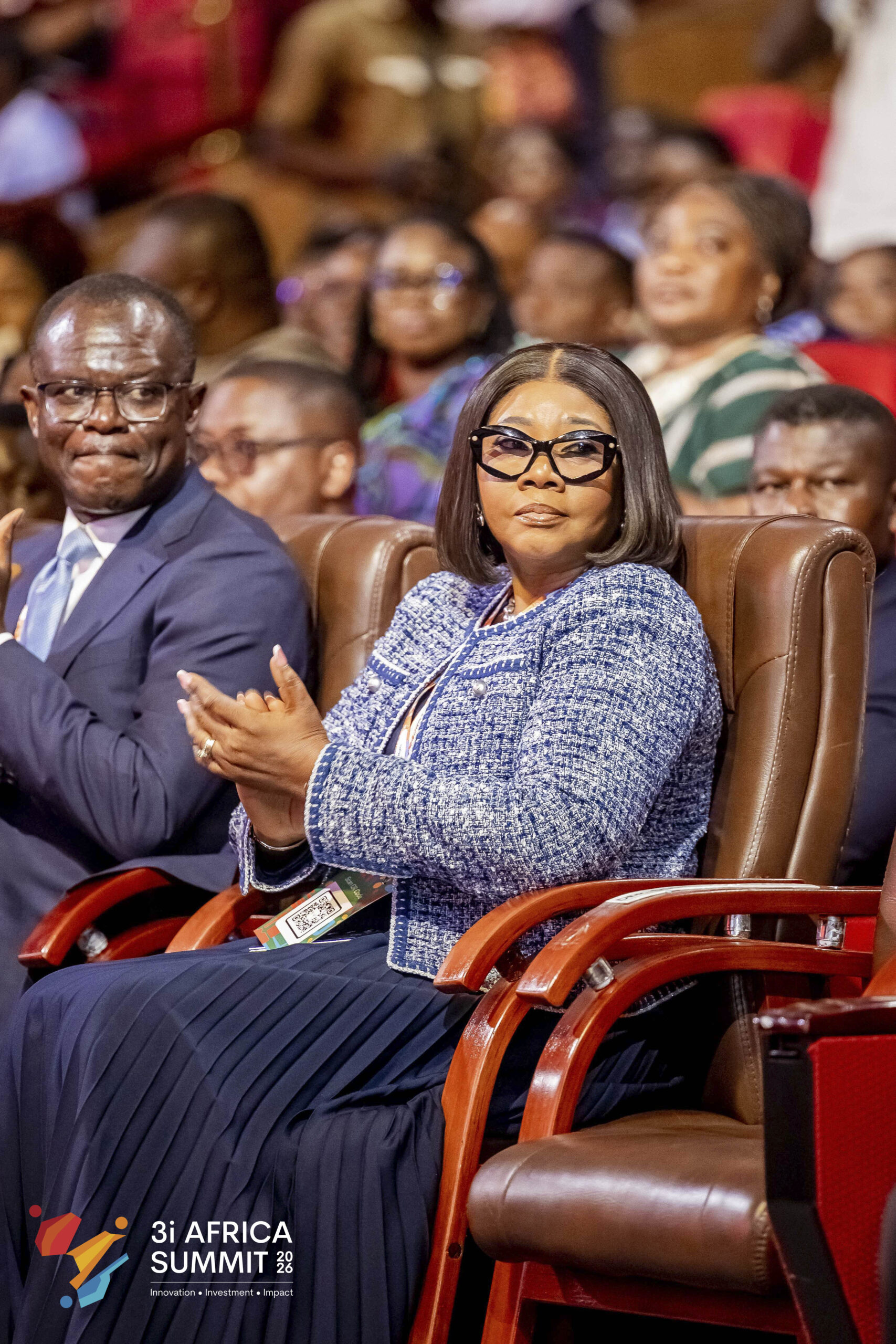
Professor Jane Naana Opoku-Agyemang outlined four priorities for building a connected African digital economy:
Payments – She criticized the current system where intra-African transactions are often routed through financial systems outside the continent and denominated in third currencies, adding cost and delay.
She pointed to the Pan-African Payment and Settlement System and the African Union’s 2024 Digital Trade Protocol as frameworks to reduce friction. The goal: “A Ghanaian enterprise should be able to employ a Ghanaian client and receive payments in cedis directly, efficiently, and at reasonable cost.”
Identity – Without interoperable digital identity systems, millions of Africans remain excluded from formal trade and finance.
“No digital economy can function without trust, and trust begins with identity,” she said.
Regulation– Integration does not require identical laws across all countries, but it does require consistency.
Fragmented regulations raise the cost of doing business and discourage innovation.
She called for regulatory sandboxes, shared standards, and practical coordination between jurisdictions.
Infrastructure – Africa still has low broadband coverage, skills gaps, and a small share of global data center capacity.
“If our data is stored and processed elsewhere, then even when we participate, we lack control,” she warned.
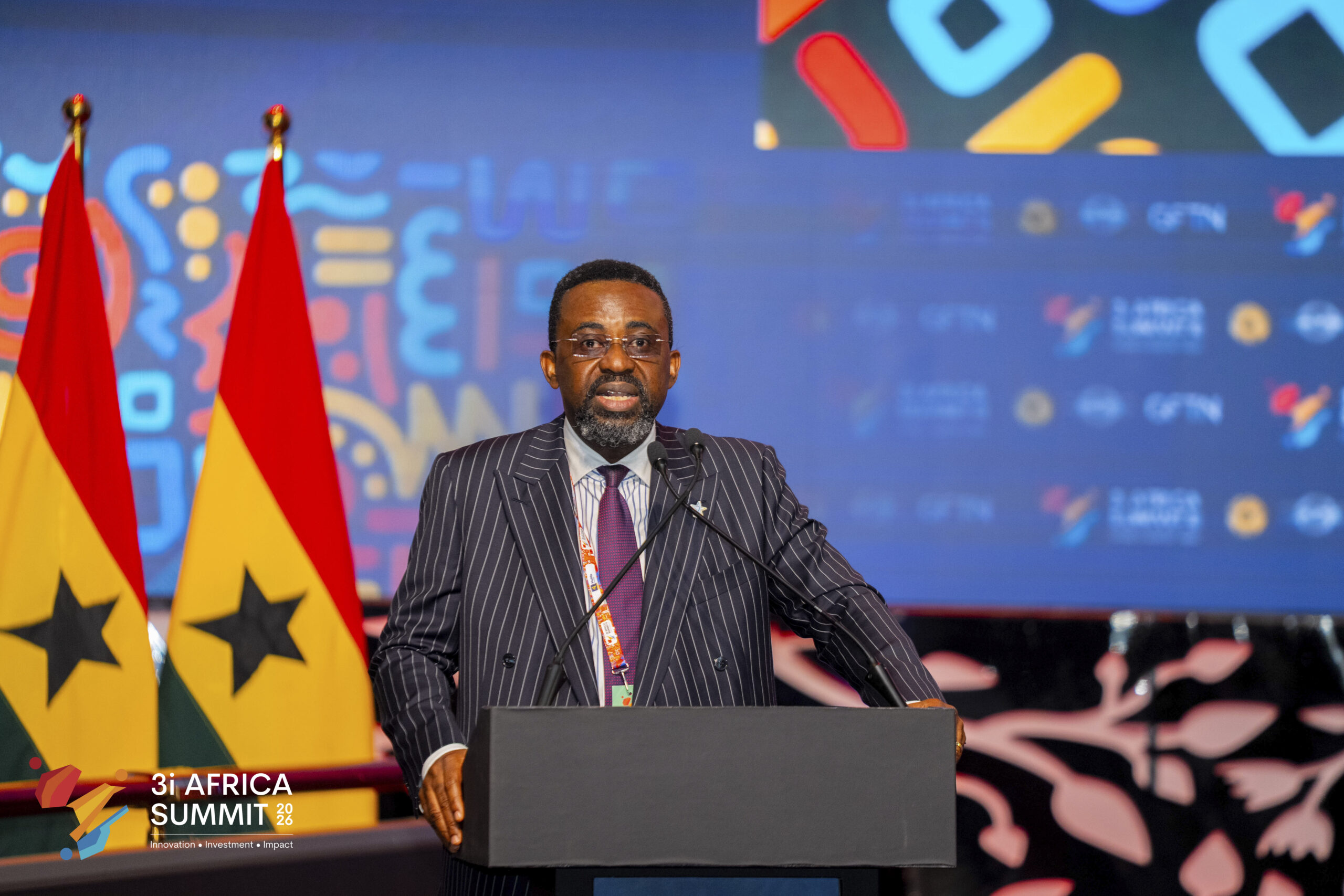
Investment in broadband, cloud infrastructure, and digital skills must accompany policy reforms.
The Vice President said Africa’s young population and rapid technology adoption position the continent to shape the next phase of global digital growth, especially in cross-border trade, agriculture, health, education, and public services.
“The systems we build will determine whether Africa participates in the global digital economy on her own terms, or operates within frameworks defined elsewhere,” she said, quoting Kwame Nkrumah’s reminder that Ghana’s independence must be linked to the total liberation of Africa.
The Ghana-led corridor will be implemented, tested, and measured as a model for broader continental rollout.


The focus is on making digital trade practical at scale — not just discussed at conferences.
“Integration will be achieved through systems that work consistently across borders and at scale,” she said.
The 3iAfrica Summit 2026 runs from May 6–8 at the Destiny Arena in Accra, bringing together regulators, investors, and tech leaders to advance Africa’s digital finance agenda.