







Ghana’s economy has regained significant macroeconomic stability, with headline inflation dropping to 3.4% in April 2026 from a peak of 54.1% in December 2022, Bank of Ghana Dr. Johnson Pandit Asiama announced.
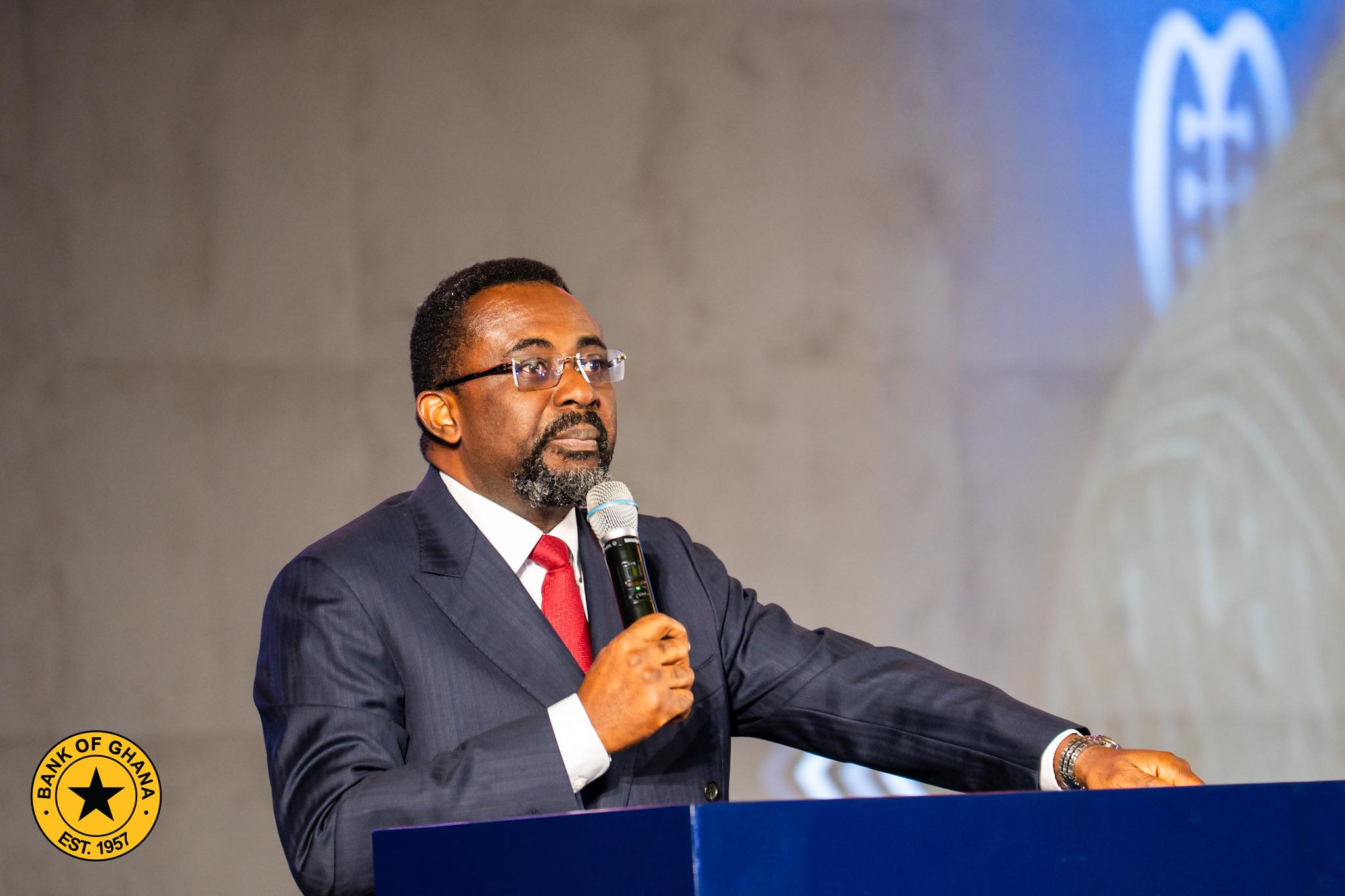
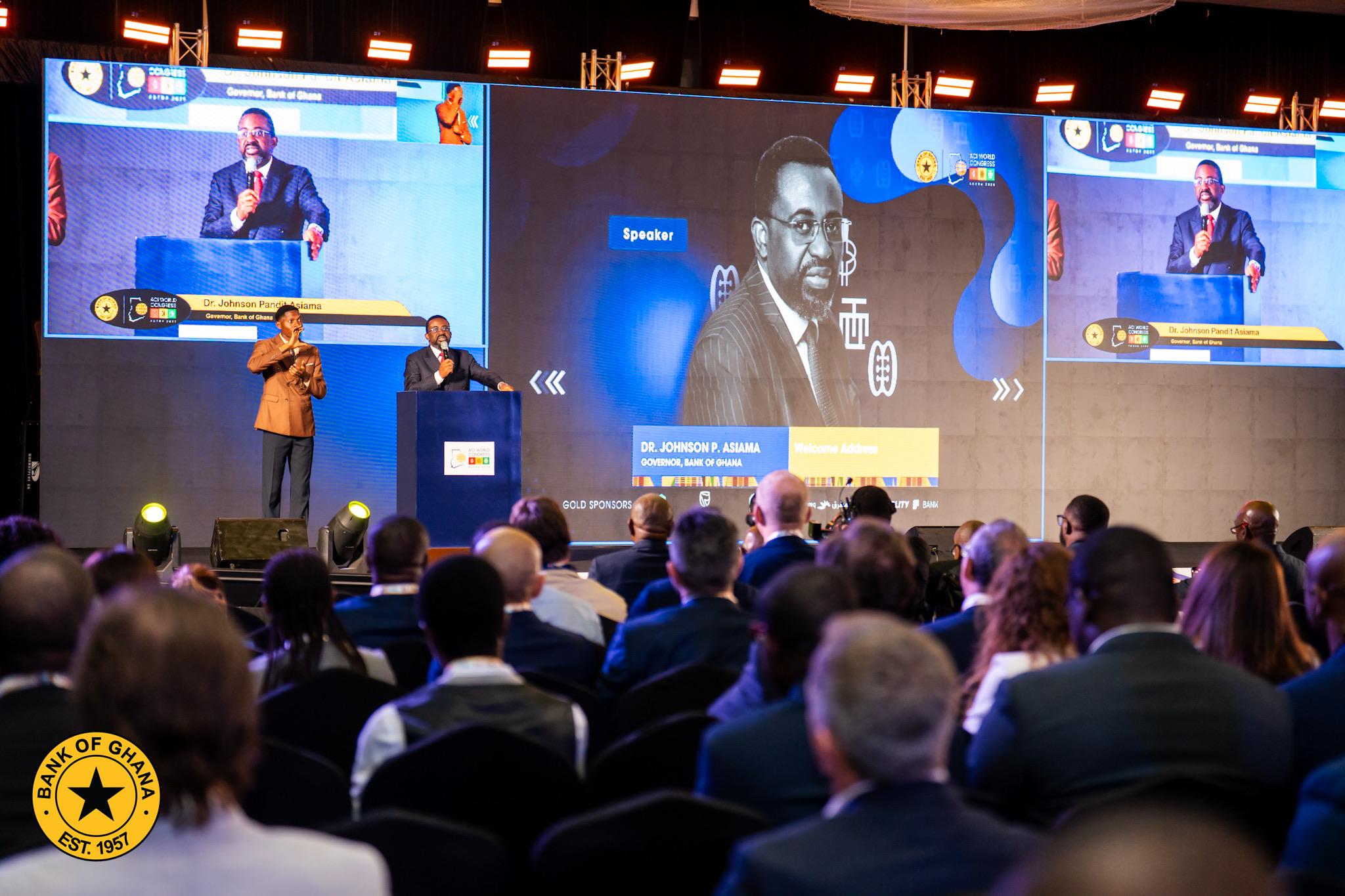
Speaking at the opening of the ACI FMA World Congress 2026 in Accra, Dr. Asiama said the turnaround has restored the “infrastructure” needed for financial market development.
“Without it, capital markets stay shallow, credit stays expensive, and innovation stays trapped on the margins of the formal system.
With it, every other ambition we have for our financial system becomes available to us,” he said.
The governor attributed the recovery to decisive policy action by the Bank of Ghana and the Ministry of Finance over the past three years. Other gains include foreign exchange reserves rising above US$13.9 billion, equivalent to more than five months of import cover, and the policy rate cut by 1,400 basis points since early 2025.
Fiscal consolidation is also holding, while the banking system has been recapitalised and is lending again.
Dr. Asiama cautioned that the progress was not a cause for celebration, citing ongoing global uncertainty and geopolitical risks. “Stability is not the achievement at which a financial system arrives. It is the foundation from which everything else becomes possible to build,” he said.

The governor outlined three shifts defining Ghana’s new financial architecture. First, payments have moved from being a back-office function to the “front door” of finance, driven by Ghana’s interoperable ecosystem with GhIPSS, mobile money integration, and QR-code interoperability. The e-Cedi, Ghana’s central bank digital currency, has completed its pilot phase and is now being designed for cross-border and wholesale settlements.
Second, Dr. Asiama said regulation is now enabling rather than constraining innovation. He pointed to the Virtual Asset Service Providers Act passed in 2025 and the ongoing rollout of its regulatory framework, alongside the fintech sandbox and strengthened cybersecurity systems.
Third, he emphasized regional integration, noting that Ghana is working with partners on licence passporting for fintechs and harmonised payment rails across Africa. “A payment initiated in Accra should clear in Abidjan or Lagos as easily as it clears in Kumasi,” he said.
Ghana as a contributor, not just a participant
Under the congress theme “Ghana at the Centre of a New Financial Markets Era”, Dr. Asiama said emerging economies are no longer just adopting frameworks designed elsewhere but are now designing policy for their own conditions and contributing models others can adapt.
He noted that digital infrastructure, virtual asset frameworks, and AI-driven market intelligence are increasingly being built first in emerging markets like Accra, Nairobi, São Paulo, and Mumbai.
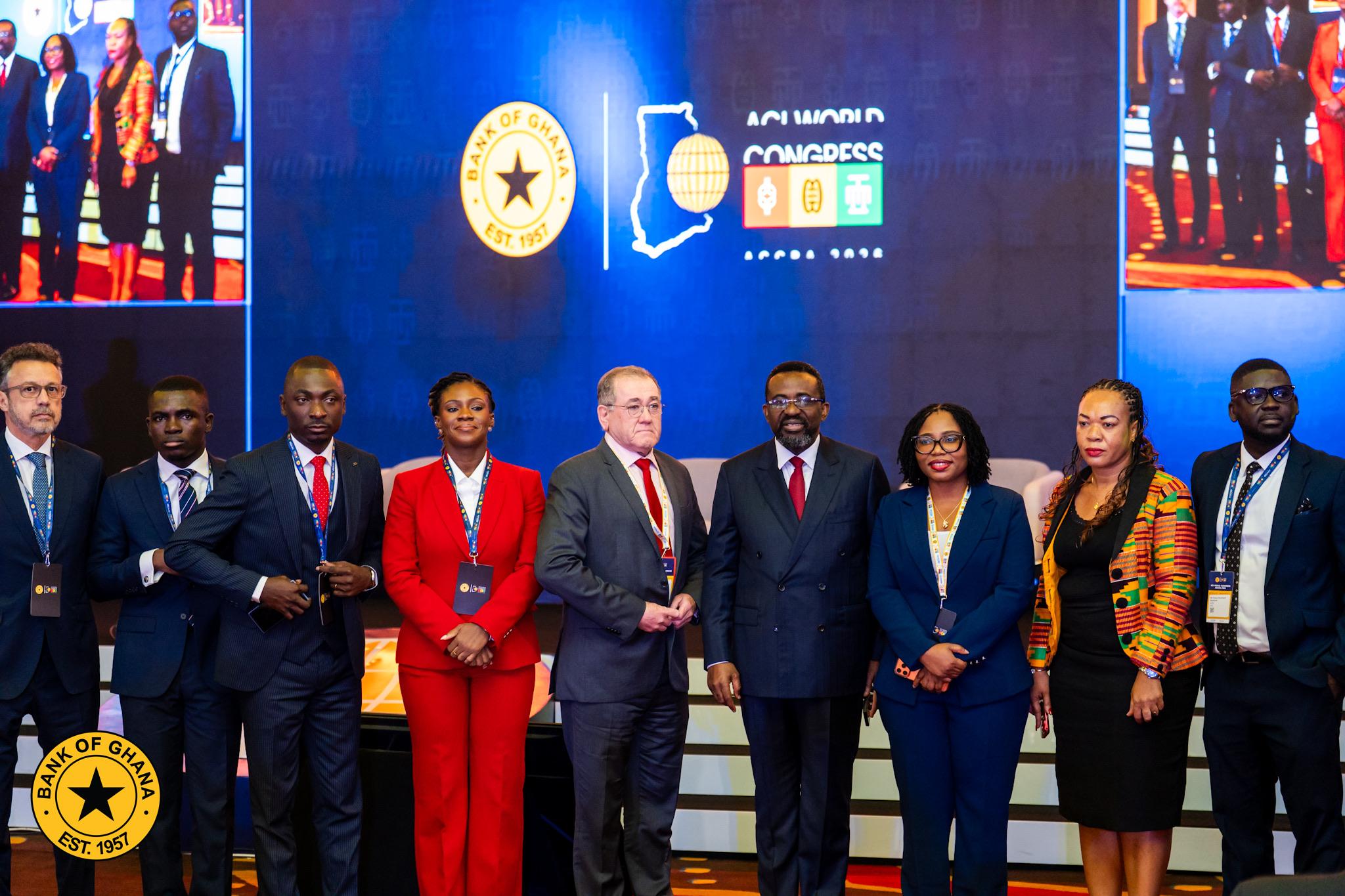
The ACI FMA World Congress, which brings together central bank governors and financial market leaders, is being hosted in Ghana for the first time in its 64-year history.