







The Governor of the Bank of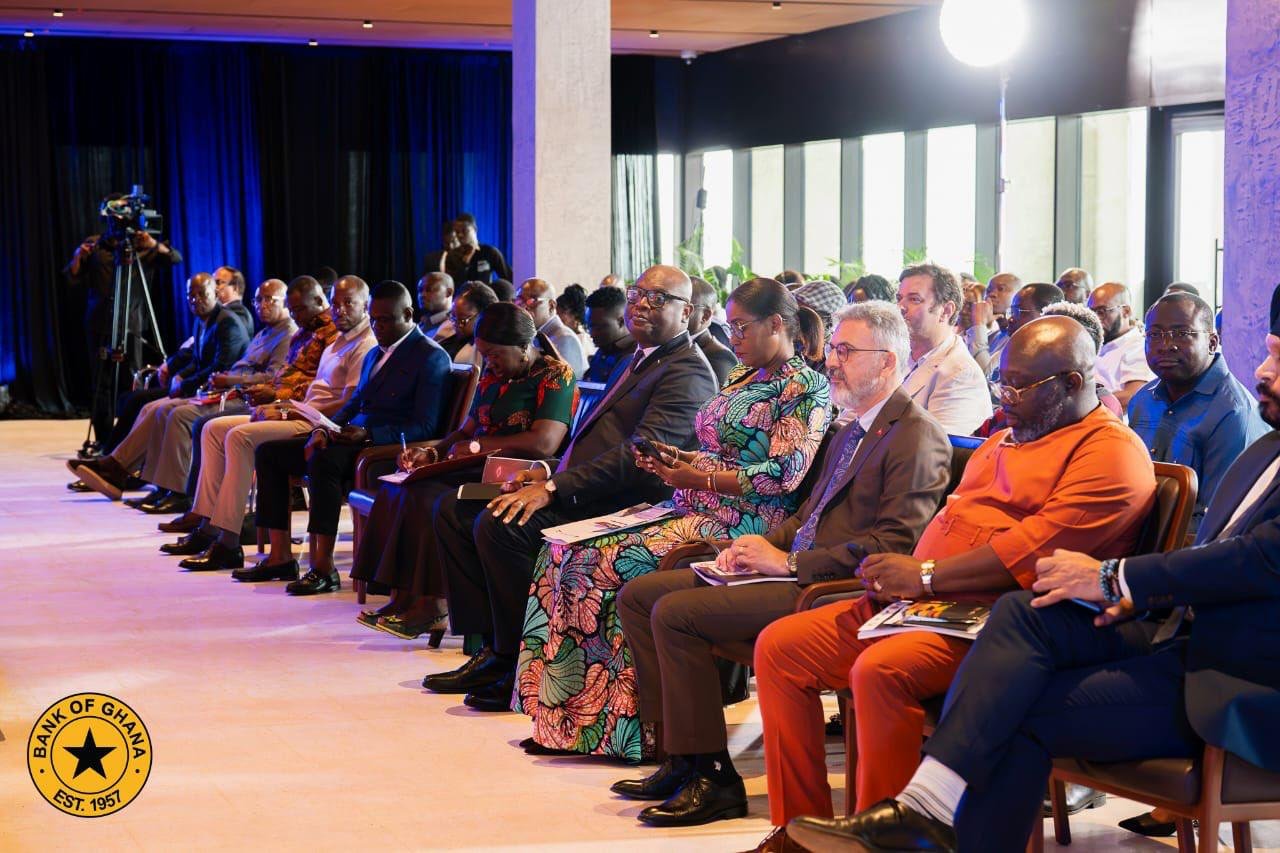 Ghana, Dr. Johnson Pandit Asiama, says Ghana’s economy has moved from crisis to stability, with inflation dropping sharply from over 54% at the height of the crisis to 4.6% in July 2026.
He said the decline was driven by disciplined monetary policy, fiscal consolidation and structural reforms under the IMF-supported programme.
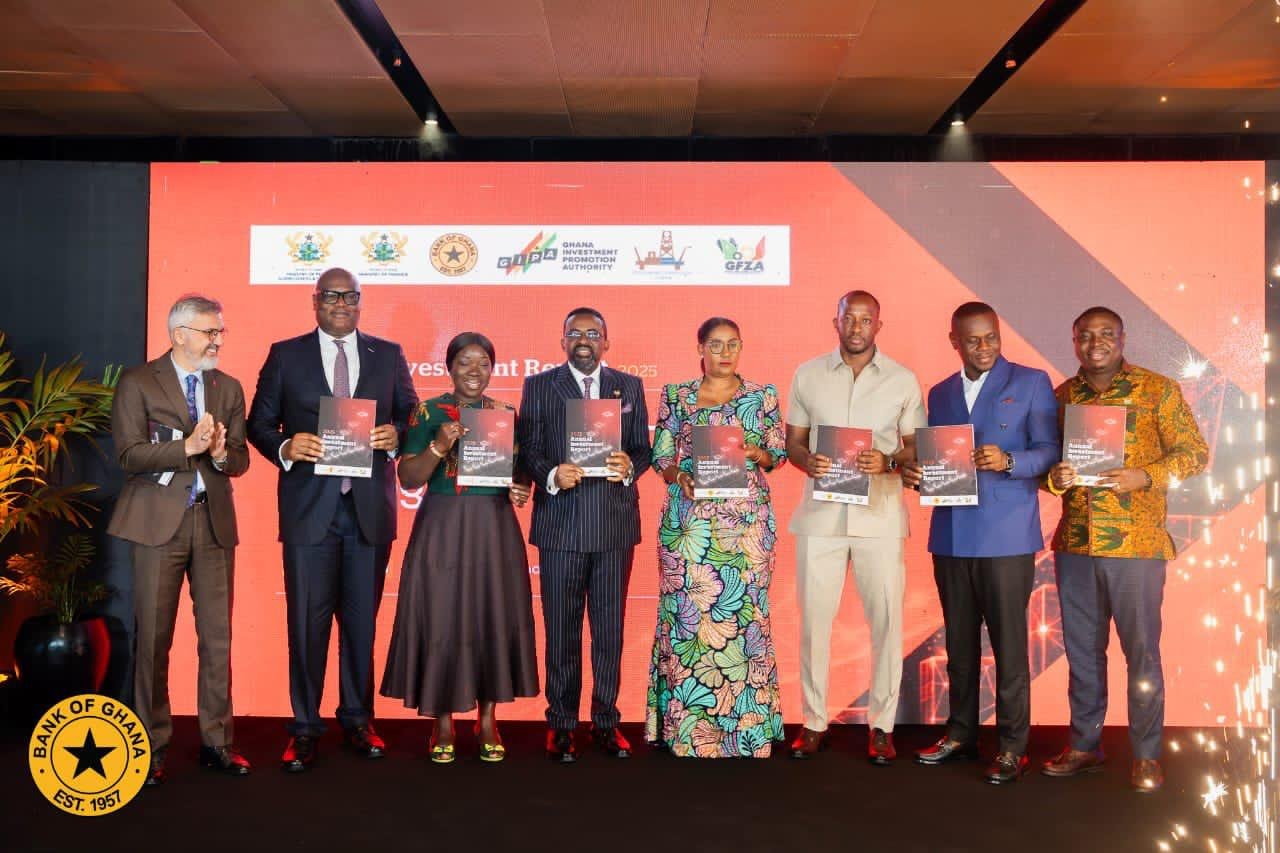
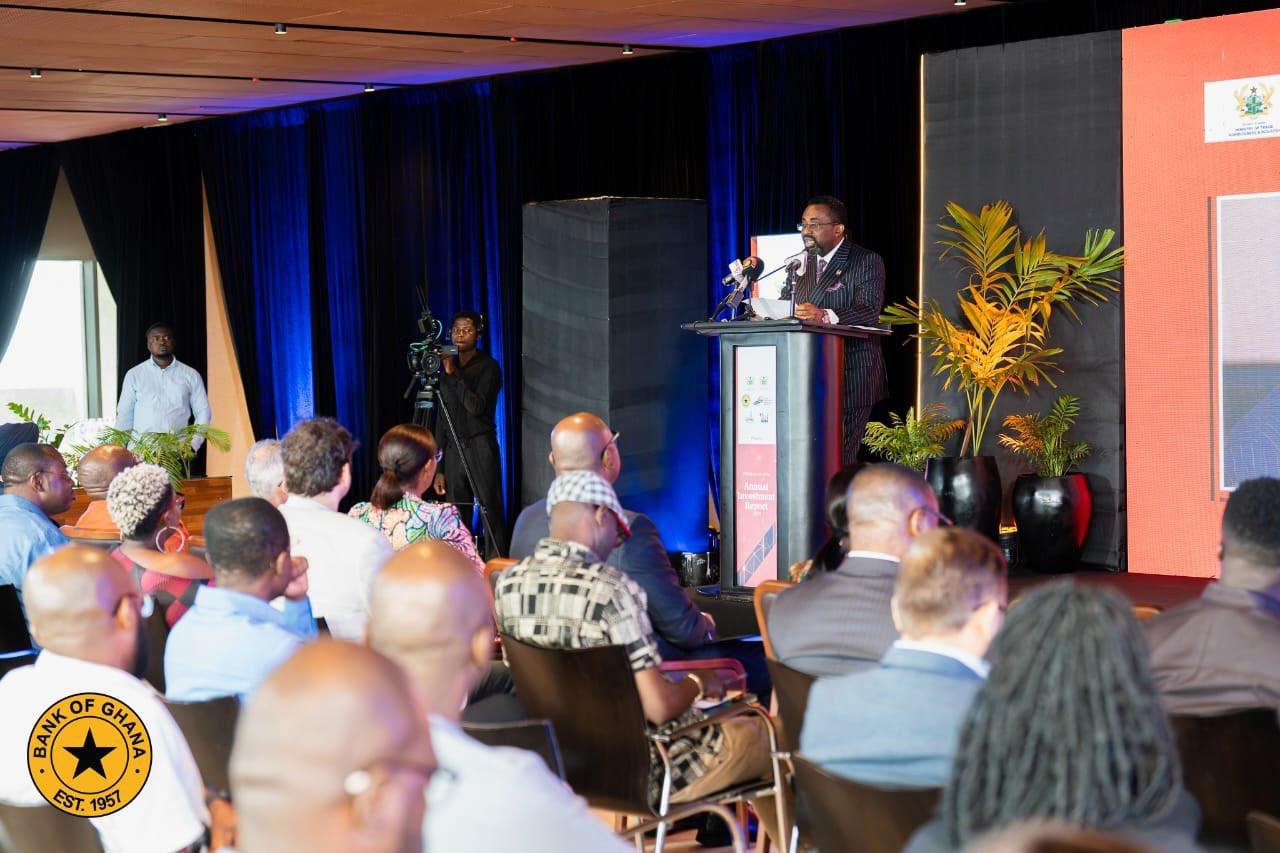
Dr. Asiama said this on Friday, August 21, 2026, when the Bank of Ghana hosted the launch of the GIPC 2025 Annual Investment Report* at Bank Square, Accra.
“The journey of 2025 is therefore not merely a story of recovery; it is a story of restoration – restoring stability, rebuilding confidence, and laying the foundation for sustainable and inclusive growth,” he said.
He noted that the cedi has recorded significant recovery against major currencies, external reserves have been strengthened, and economic activity has gained momentum across services, agriculture and industry.
US$2.61bn Investments in 2025:

The Governor, reviewing the GIPC report, said Ghana recorded new investments valued at approximately US$2.61 billion across 253 projects in 2025, despite global uncertainties.
Existing investors are not only staying but expanding and reinvesting, with growing interest in manufacturing, agribusiness, logistics and technology-enabled services, he said.
He highlighted growing domestic confidence, with 71 wholly Ghanaian-owned projects valued at nearly US$686 million registered in 2025.
He also pointed to a more geographically balanced spread of investments beyond Greater Accra.
On the work that remains, Dr. Asiama said infrastructure gaps, high cost of capital and competitiveness of local firms must be addressed while preserving macro stability.
He said one of the biggest opportunities lies with the diaspora. While 2025 remittance performance showed strong confidence from Ghanaians abroad, the challenge is to channel those flows into productive investment.
“The Bank of Ghana has a leadership role to play” in developing trusted, innovative and market-responsive financial products to mobilise diaspora savings into enterprise development, innovation and job creation, he said.
He added that Ghana’s position as host of the AfCFTA Secretariat, its young population, and reforms like the 24-Hour Economy Programme and move to establish a modern Ghana Investment Promotion Authority are boosting investor confidence.
“The 2025 Annual Investment Report is more than a collection of statistics. It is evident that Ghana is regaining its momentum and strengthening its place among Africa’s most promising investment destinations,” he said.