






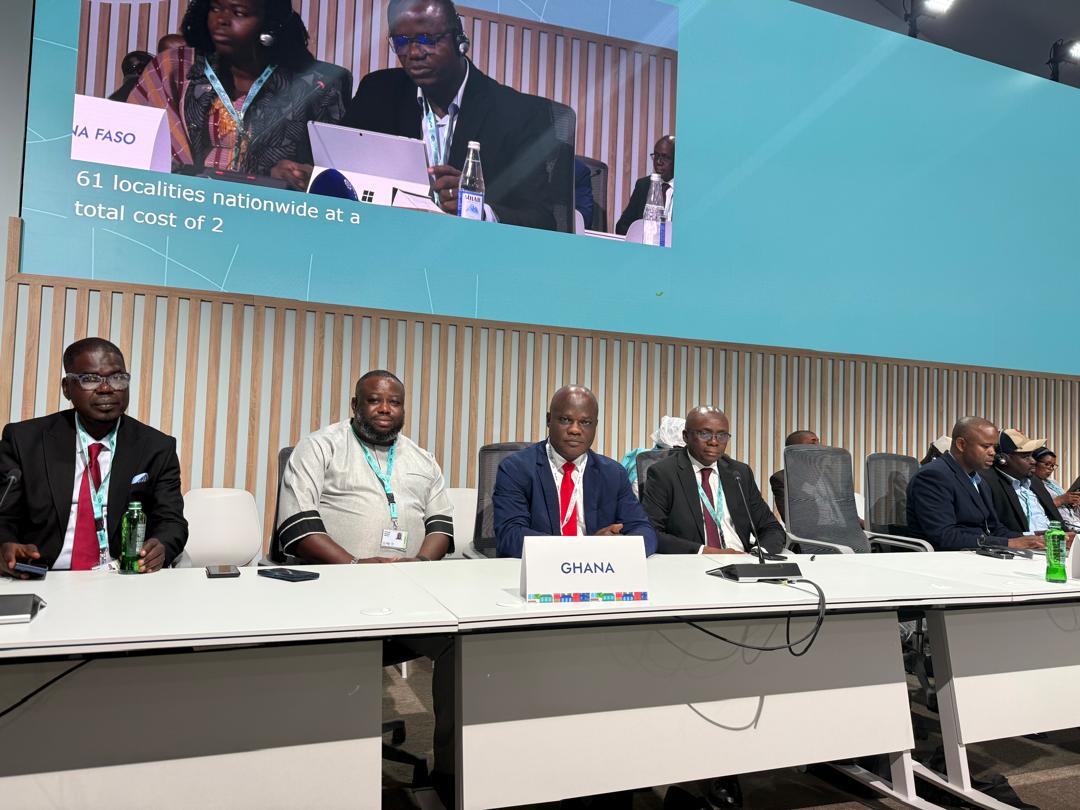
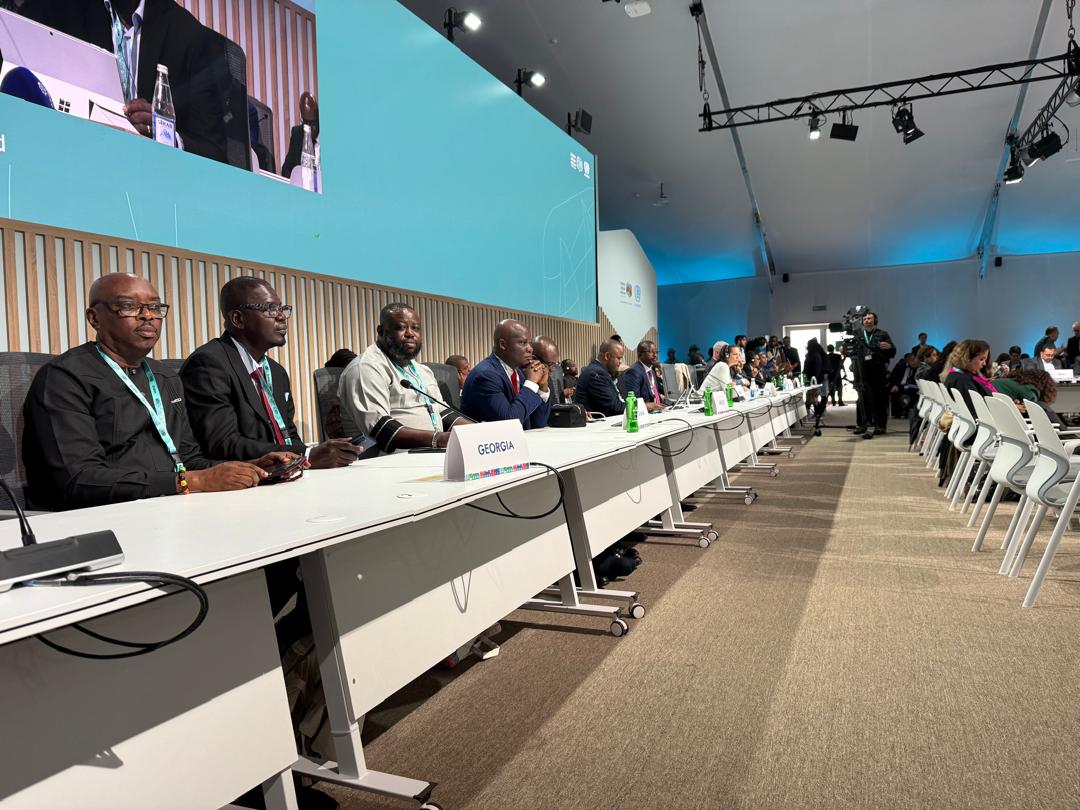
Ghana has reaffirmed its commitment to sustainable urban transformation, affordable housing delivery and resilient local governance at the Thirteenth Session of the World Urban Forum (WUF13) held in Baku, Azerbaijan, from 17 to 22 May 2026.
Delivering Ghana’s country statement at the global forum, the Minister for Local Government, Chieftaincy and Religious Affairs, Hon. Ahmed Ibrahim, said Ghana’s urban agenda is firmly anchored in decentralisation, integrated planning and inclusive local participation as the country responds to rapid urbanisation and growing pressure on housing and public infrastructure.
Convened by UN-Habitat under the theme, “Housing the World: Safe and Resilient Cities and Communities,” WUF13 brought together governments, mayors, development partners, urban planners and civil society actors from across the world to deliberate on the global housing crisis, climate resilience, urban inequality and sustainable city development.
Addressing the high-level gathering, the Minister noted that Ghana’s rapidly expanding urban population presents both opportunities and challenges, particularly in housing, land management, sanitation, mobility, drainage systems and access to essential services.
“For us, the urban question is not peripheral to development; it is central to national transformation,” he stated.
Hon. Ahmed Ibrahim indicated that government is strengthening Metropolitan, Municipal and District Assemblies to deepen accountable governance and improve the capacity of local authorities to plan, finance and deliver essential services to citizens.
He further highlighted Ghana’s revised National Urban Policy and Implementation Plan, which seeks to transition the country from fragmented urban responses to coordinated, data-driven and investment-ready urban development.
On housing delivery, the Minister announced that Ghana has introduced a National Homeownership Fund aimed at expanding access to long-term blended financing for civil servants and workers within the informal sector. He explained that through the Affordable Housing Programme, government subsidies on serviced land and trunk infrastructure are expected to reduce housing delivery costs by up to 40 percent.
He also outlined the District Housing Programme, which promotes the use of local building materials and climate-smart construction methods to improve affordability while reducing environmental impact.
The Minister further showcased some of Ghana’s flagship urban initiatives, including the Local Economic Development Policy and the 24-Hour Model Market Initiative, which are designed to modernise market infrastructure, improve sanitation and safety, reduce congestion and create economic opportunities for women and young people.
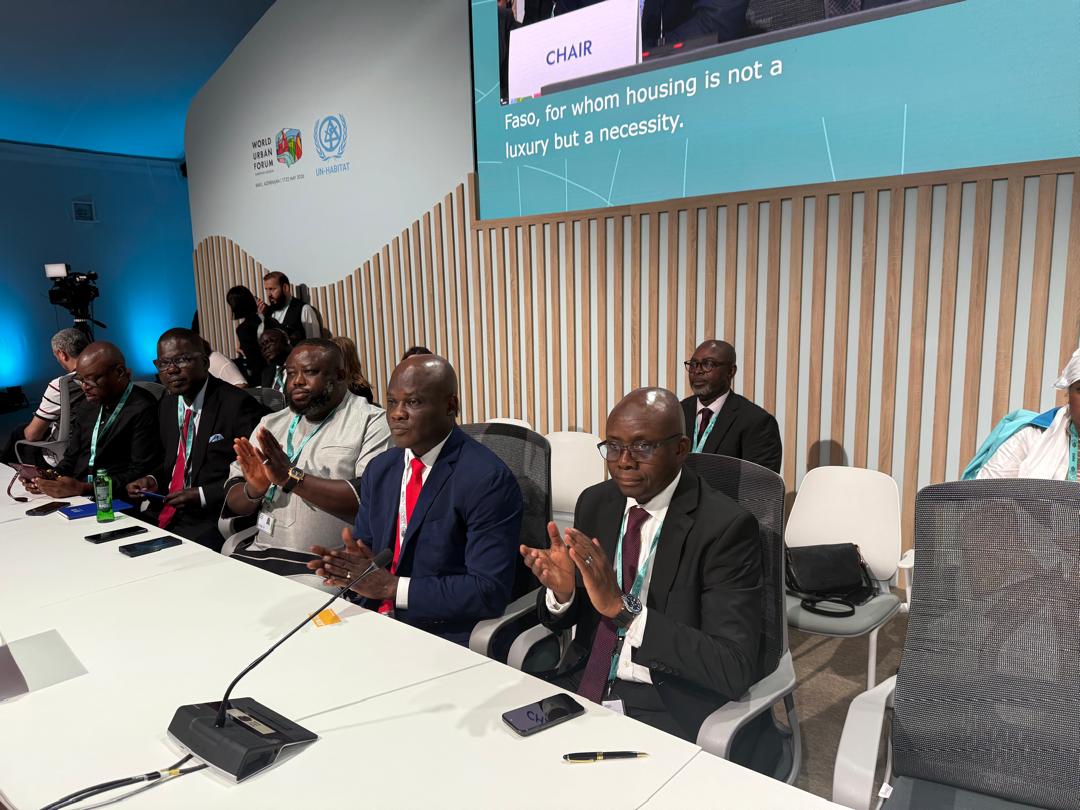
The discussions at WUF13 strongly focused on the urgent need for practical and scalable solutions to the global housing crisis, climate adaptation, urban resilience, inclusive governance and sustainable financing for cities.
Aligning Ghana’s position with the broader global discussions, Hon. Ahmed Ibrahim stressed that developing countries must be supported not only with commitments, but also with financing, technology transfer, capacity building and policy cooperation necessary to deliver inclusive and resilient cities at scale.
He reiterated Ghana’s readiness to collaborate with international partners to advance sustainable urban development and build inclusive, safe and resilient communities for present and future generations.
The World Urban Forum remains the world’s premier global conference on sustainable urbanisation and serves as a key platform for advancing the implementation of the N

ADVERTISEMENT