




The Ministry of Fisheries and Aquaculture has taken a major step toward shaping Ghana’s sustainable future with the validation of its draft Blue Economy Policy.
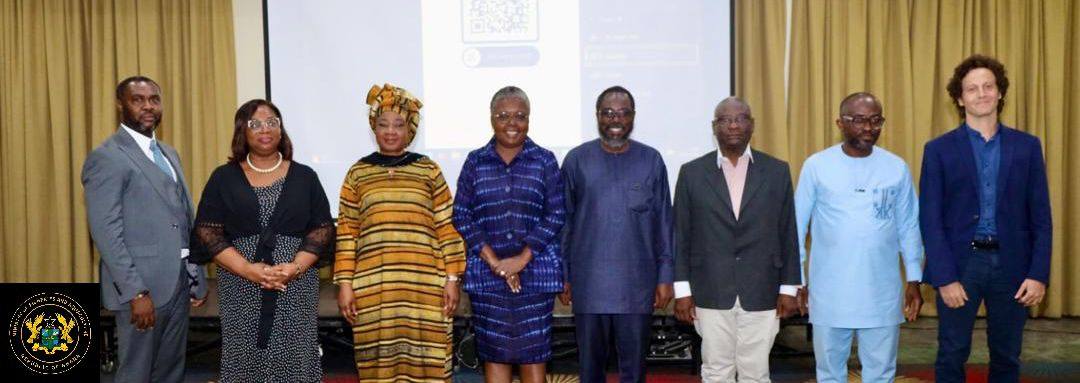
At a Stakeholder Validation Workshop held on Monday, April 20, 2026, at the Alisa Hotel in Accra, key stakeholders gathered to review and refine the country’s zero draft Blue Economy framework.
Delivering the opening remarks, the Minister for Fisheries and Aquaculture, Emelia Arthur, described the workshop as a crucial milestone in building a resilient and inclusive Blue Economy for Ghana.
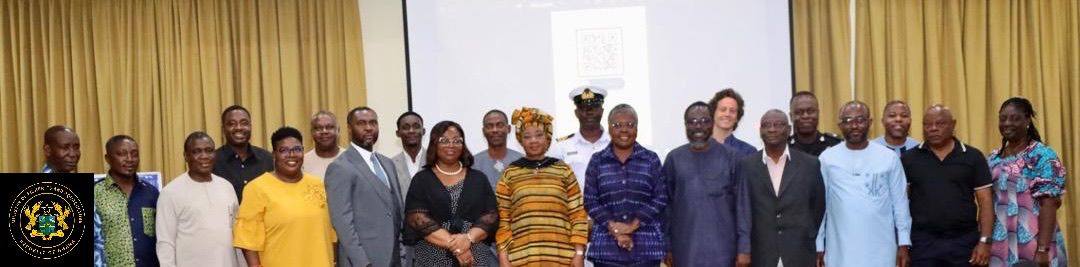
She noted that Ghana is at a defining moment in its development journey, stressing that the shift toward a Blue Economy is no longer just an ambition but already in motion.
“Step by step, we are laying the foundations to ensure that Ghana’s marine and inland water resources sustainably support our economy, strengthen food security, and safeguard our environment,” she stated.
According to the Minister, the proposed National Blue Economy Policy aims to address longstanding challenges in the management of marine and inland resources by introducing a coordinated, whole-of-government approach. This framework positions the Blue Economy as a key driver of sustainable growth.

She further highlighted that the policy is built on six strategic pillars: Blue Wealth, Blue Health, Blue Knowledge, Blue Finance, Blue Equity, and Blue Safety and Security.
Hon. Arthur emphasized that the success of the policy will depend on the collective commitment of all stakeholders to ensure its effective implementation.
The workshop featured presentations and detailed, clause-by-clause discussions by the Blue Economy Committee and stakeholders, all aimed at refining the policy and reaching consensus on a unified national framework for the sustainable m