








ADVERTISEMENT
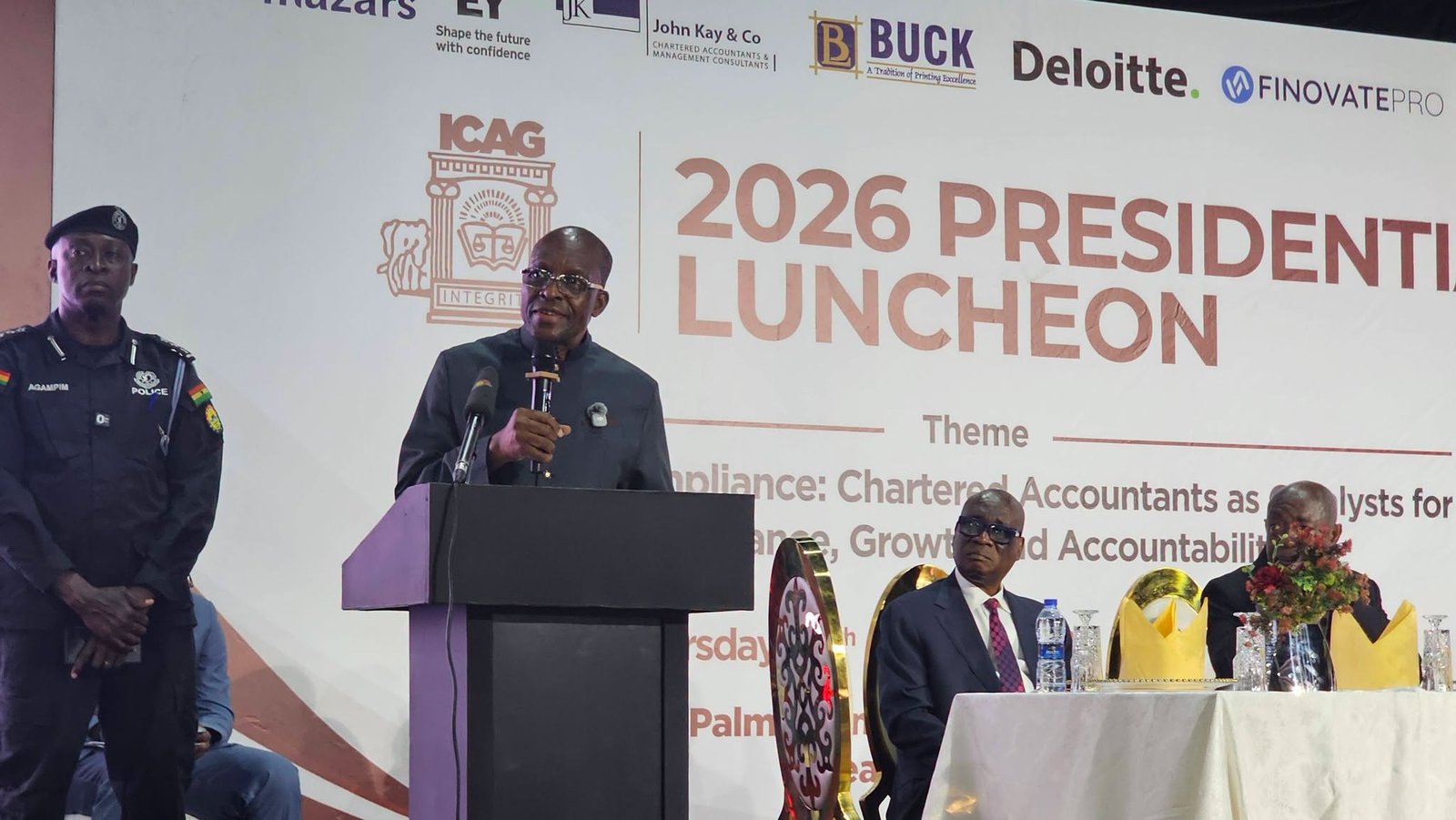
The Speaker of Parliament, Rt. Hon. Alban Sumana Kingsford Bagbin, has called on professionals and public officials to go beyond signing financial documents and take greater responsibility for accountability, credible record-keeping and the protection of public resources.
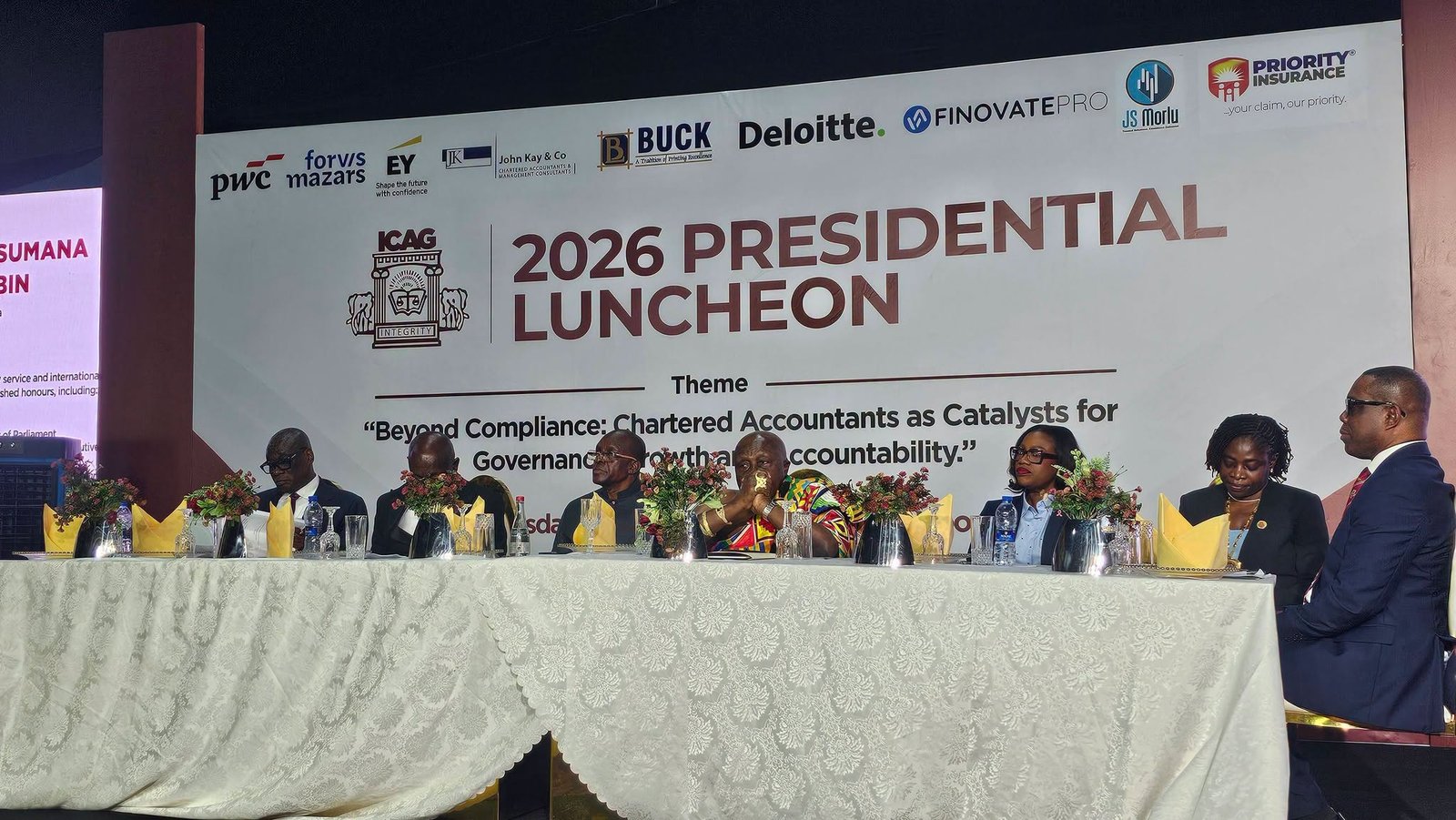
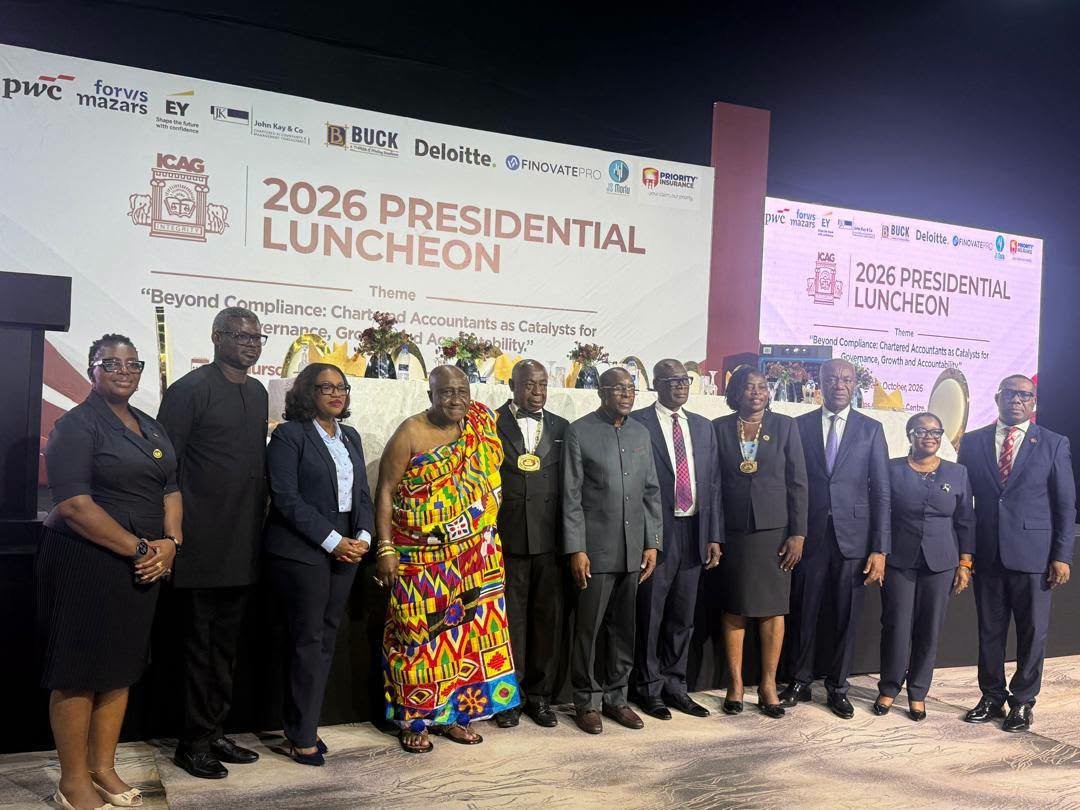
He made the call as the Special Guest of Honour at the Institute of Chartered Accountants, Ghana (ICAG) 2026 Presidential Luncheon, held today, 29th October, 2026 under the theme “Beyond Compliance: Chartered Accountants as Catalysts for Governance, Growth and Accountability.”
The luncheon, chaired by the ICAG President, Augustine Addo, FCA, brought together professional accountants, industry leaders, regulators, representatives of ministries and agencies, academia and other stakeholders from across various sectors.
The Speaker, who expressed delight at being part of the occasion, acknowledged the important role professional accountants play in public financial management and national development. He underscored the need for accountants and other professionals to uphold integrity and ensure that public resources are managed responsibly.
He urged public officials and institutional leaders to ask critical questions about the allocation and use of public funds, follow up on identified challenges and ensure that corrective actions are implemented.
“A nation’s honesty is a shared project,” he emphasised, underscoring the collective responsibility of managers, regulators, Parliament and public officers to uphold integrity and safeguard the public interest.
The Speaker’s message centred on three essential practices: questioning how public money is spent, verifying whether identified problems have been resolved, and maintaining accurate records that can withstand scrutiny.
He further stressed the importance of personal responsibility in official transactions, urging individuals to understand what they sign, retain proper documentation and ensure that their decisions can be explained and defended when necessary.
Accounting, he noted, must not be treated as a back-office function detached from national development. Credible financial reporting and effective oversight are fundamental to building public confidence, detecting irregularities and ensuring that resources deliver their intended benefits.
He cautioned that the apparent success of an institution does not automatically rule out financial misconduct, reinforcing the need for continuous scrutiny rather than reliance on appearances.
“When the truth arrives, we all pay for the lies.”
His message served as a reminder that public trust is built not merely through declarations of integrity, but through verifiable records, responsible decisions and consistent accountability.
Ultimately, the credibility of a nation’s institutions depends on the credibility of their records and the willingness of those entrusted with public resources to go beyond the signature and stand by the truth.