









Finance Minister Dr. Cassiel Ato Forson has highlighted Ghana’s significant increase in investment in health financing as government moves to strengthen the country’s healthcare system and prepare for future funding challenges.
According to the Minister, government has substantially stepped up health sector financing since 2025 through increased budgetary releases, reforms to the National Health Insurance Scheme, and new investments targeted at tackling non-communicable diseases.
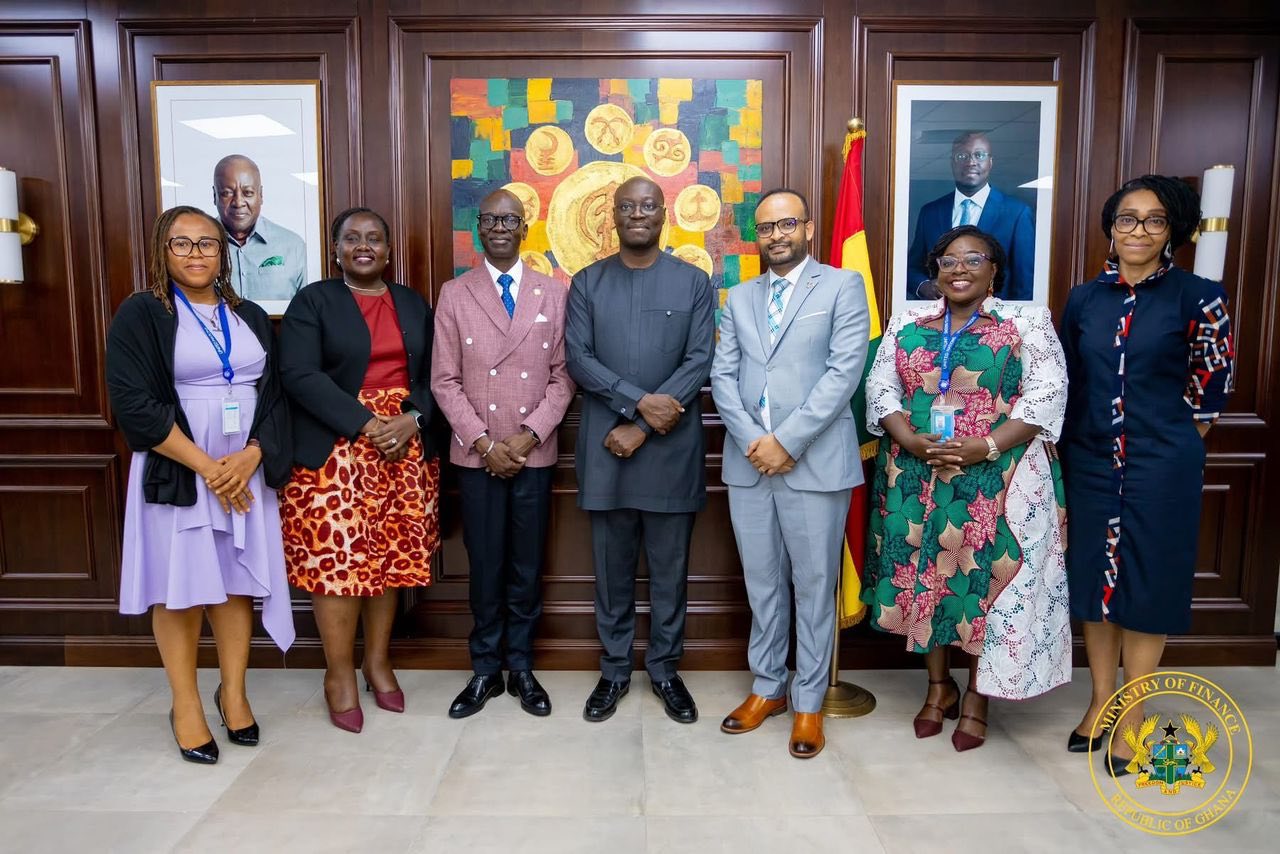
Dr. Forson made the remarks during a meeting with the World Health Organization Regional Director for Africa, Dr Mohamed Yakub Janabi, in Accra.
He stated that government had uncapped the National Health Insurance Levy to provide more resources for healthcare delivery and ensured that the National Health Insurance Authority receives its full allocations strictly for health-related activities.
“Last year, for the first time in a long while, the NHIA received all that was due it,” the Minister noted, adding that the reforms have improved the Authority’s financial position and strengthened healthcare financing.
Dr. Forson further disclosed that government is investing in the fight against non-communicable diseases through the Ghana Medical Trust Fund and the establishment of specialised treatment units in hospitals across the country.
He also cited the recent launch of the Free Primary Healthcare Programme as part of broader efforts to improve access to healthcare services.
The Finance Minister revealed that Ghana is also preparing to fully finance vaccines and critical medicines as support from the Global Fund gradually winds down by 2029.
“As support from the Global Fund for vaccines and critical medicines declines, we are taking steps to ensure that beginning January 2030, Ghana fully budgets for and finances these essential health needs,” he said.
Dr. Janabi commended Ghana’s efforts and stressed that strong investment in health remains critical to economic productivity and national development.
He also urged African countries to strengthen local medicine and vaccine production, reduce dependence on imports, and intensify efforts to address non-communicable diseases.

ADVERTISEMENT