







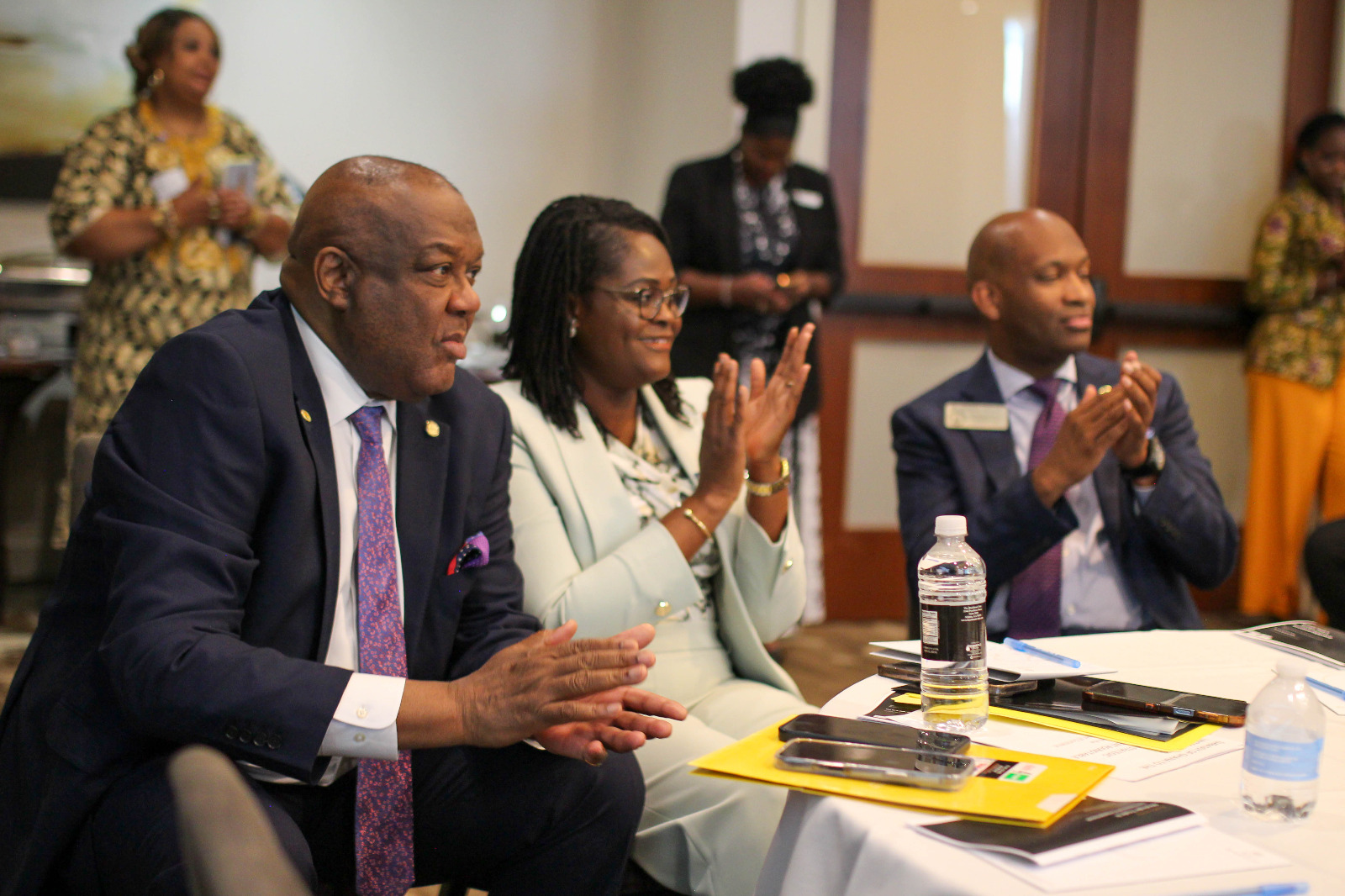
Ghana’s Ambassador to the United States, Victor Emmanuel Smith, led a high-level Economic Dialogue in Atlanta, bringing together business leaders, investors, entrepreneurs, and development stakeholders to explore strategic partnerships aimed at strengthening economic ties between Ghana and the United States.
Addressing participants, Ambassador Smith underscored Ghana’s commitment to sustainable, long-term partnerships capable of driving inclusive growth and industrial transformation.
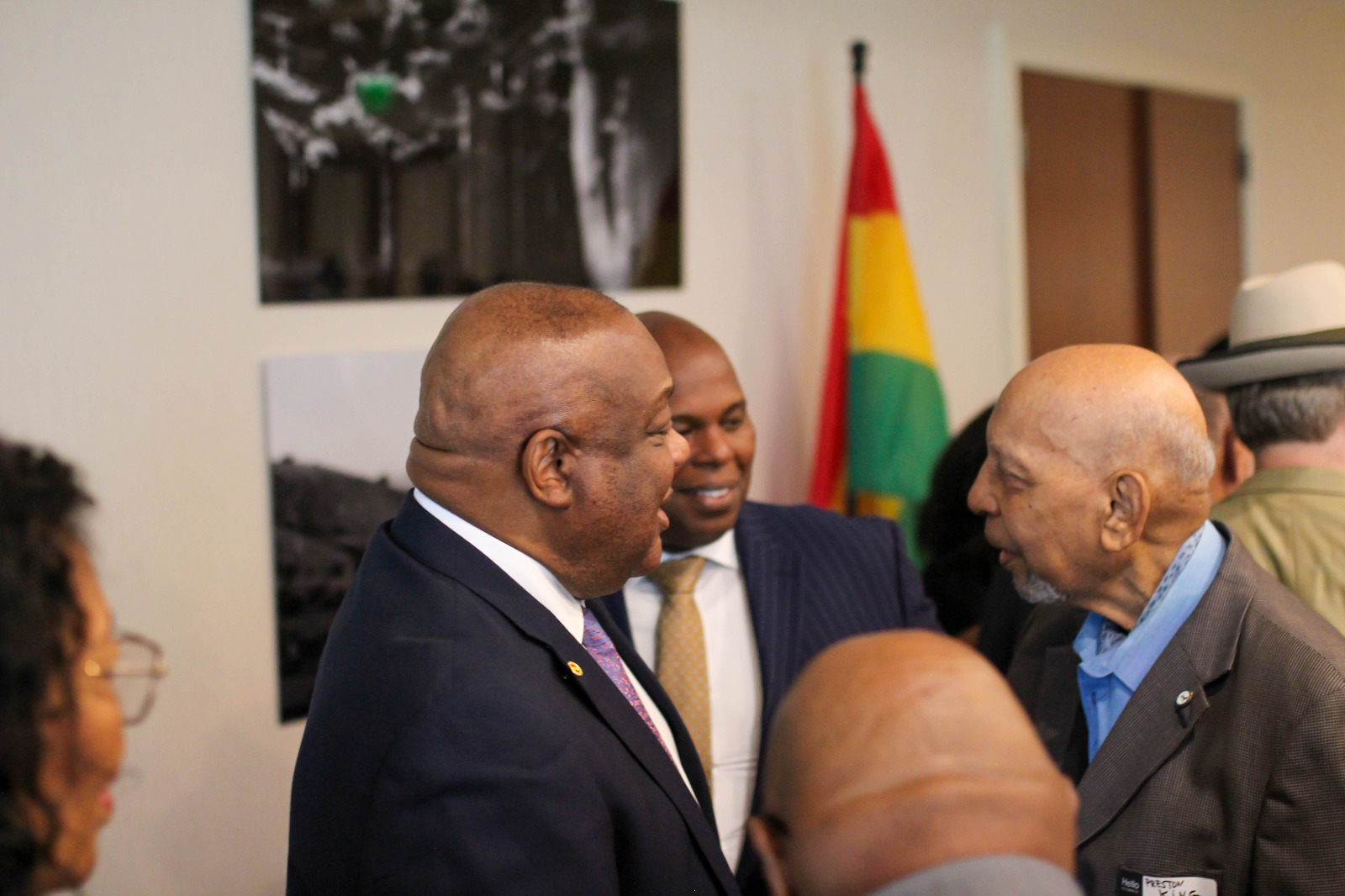
Highlighting opportunities for collaboration between Ghana and the State of Georgia, Ambassador Smith pointed to synergies in aviation, logistics, agriculture, education, fintech, manufacturing, and the creative economy.
“Atlanta’s world-class aviation and logistics ecosystem aligns naturally with Ghana’s ambition to become the preferred aviation and transportation hub of West Africa.”
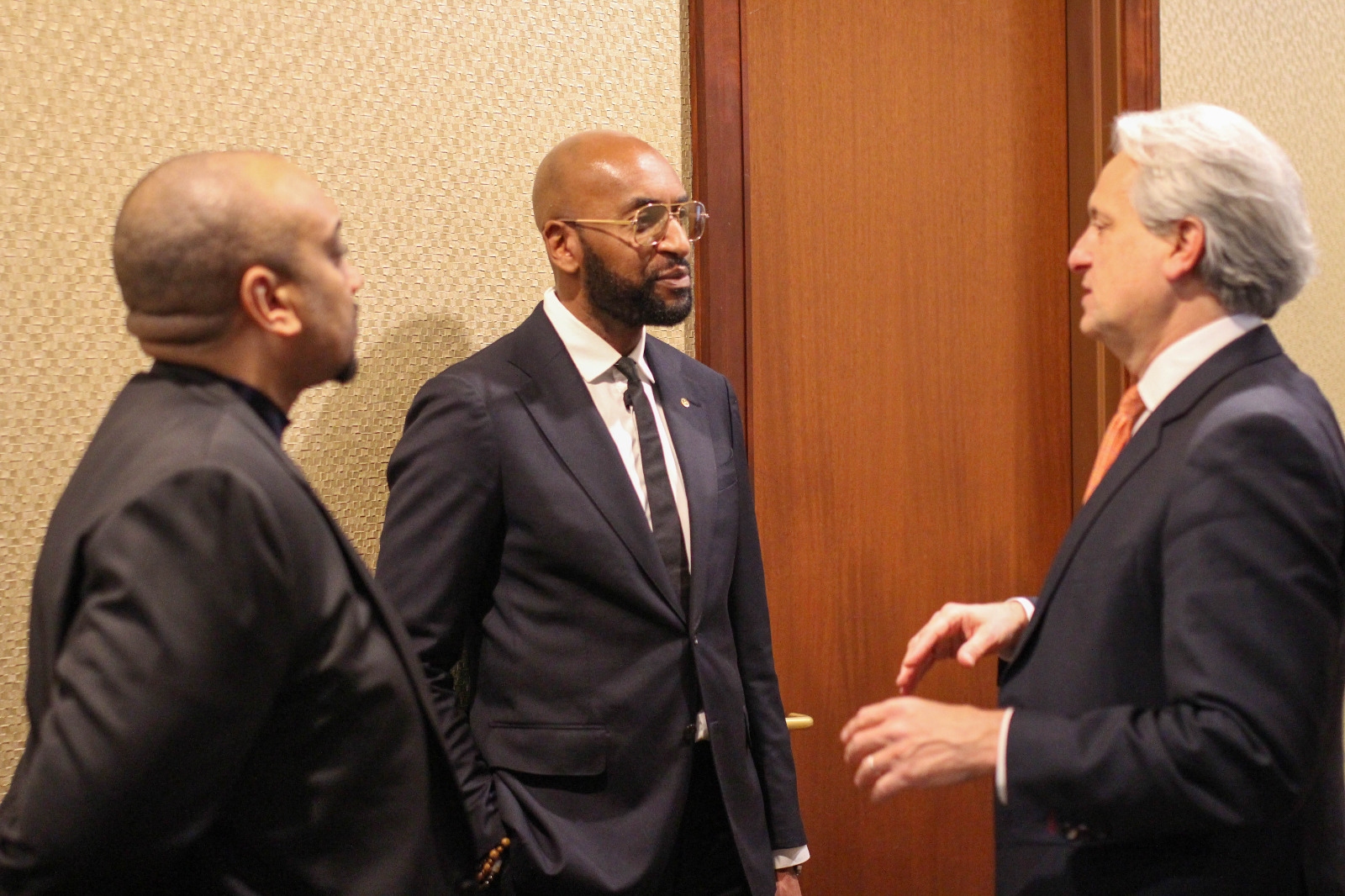
He also paid tribute to the Ghanaian diaspora in the United States, describing them as key stakeholders in Ghana’s national transformation agenda.
“Diasporas understand both systems. They understand Ghana and they understand America. They can therefore serve as bridges of trust, culture, investment and innovation.”
INVESTMENT:
Joining the Ambassador at the dialogue was Jacques Nack Ngue, founder of JNN Group Inc. and General Partner of the African Diaspora Venture Fund, who announced a $40 million investment initiative focused on enterprise development across Africa, beginning with Ghana.
“The next decade of African growth will be built on the diaspora, by the diaspora, not just for the diaspora.”

Jacques Nack Ngue explained that the fund is focused on sectors such as fintech, agricultural innovation, and workforce transformation, with an emphasis on inclusive economic participation.
“We want the funds to go directly to the farmers, support agricultural workers, and include them in the economic activity.”
He praised Ghana’s political and economic stability as a major attraction for global investors.
“Stability is the new alpha. Ghana offers exactly what global capital is now searching for — peaceful rule, democratic governance, and peaceful transitions.”
The entrepreneur further revealed that one of the fund’s portfolio companies, Quantum, has already enrolled more than 167,000 agricultural and forestry workers across Africa through its platform.
“I came here to be one of those bridges — to turn the conversation into execution and goodwill into measurable impact.”
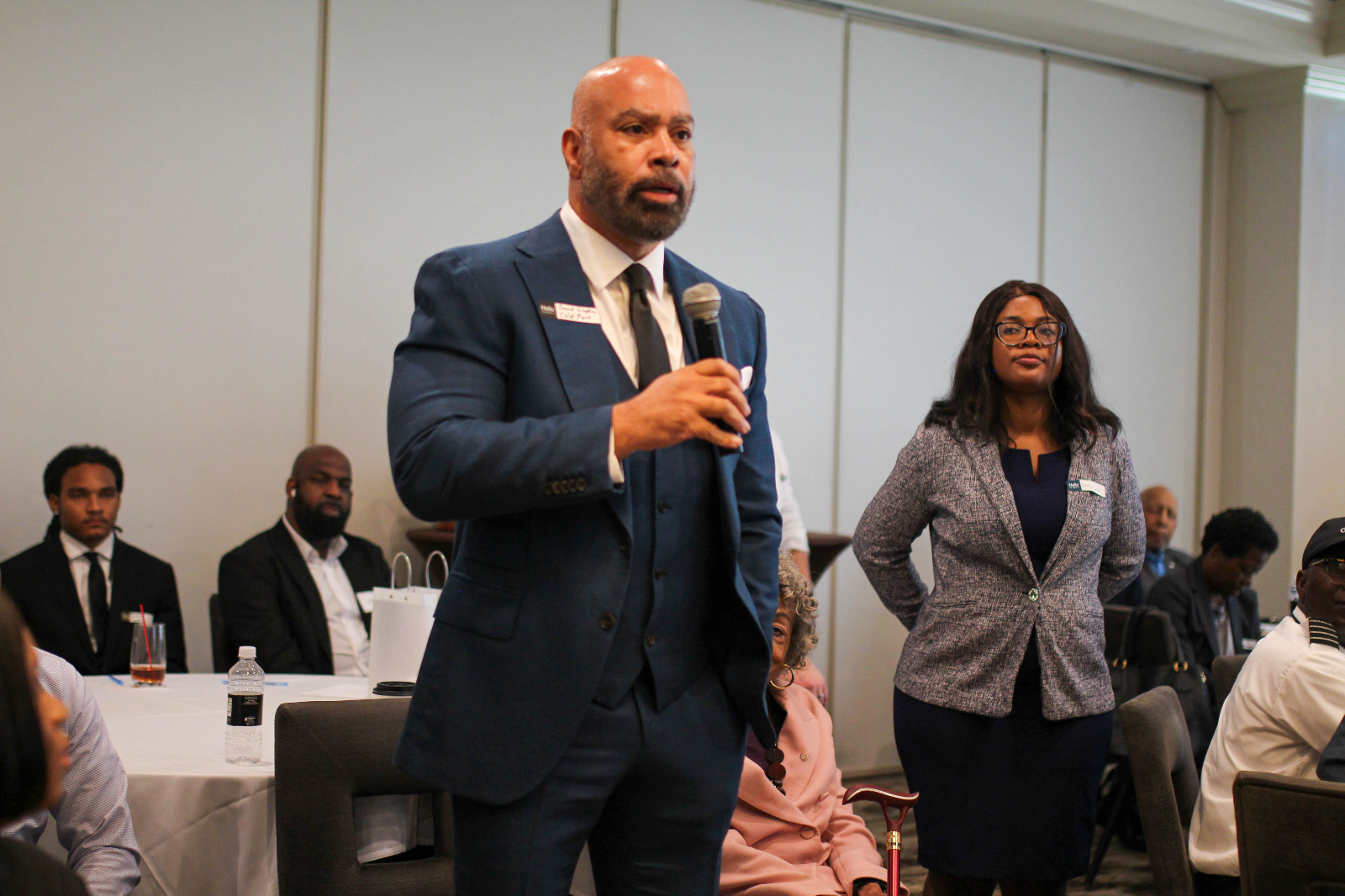
ENERGY SECTOR:
The dialogue also featured contributions from Ghanaian energy sector stakeholders, including officials from Cen Power Generation Company, who highlighted investment opportunities and ongoing reforms within Ghana’s power sector.
Nana Brew-Butler detailed how Cen Power successfully attracted international and African investors into Ghana’s energy industry.
“We managed to attract investors from all over, and today 68 percent of ownership in the company is African.”
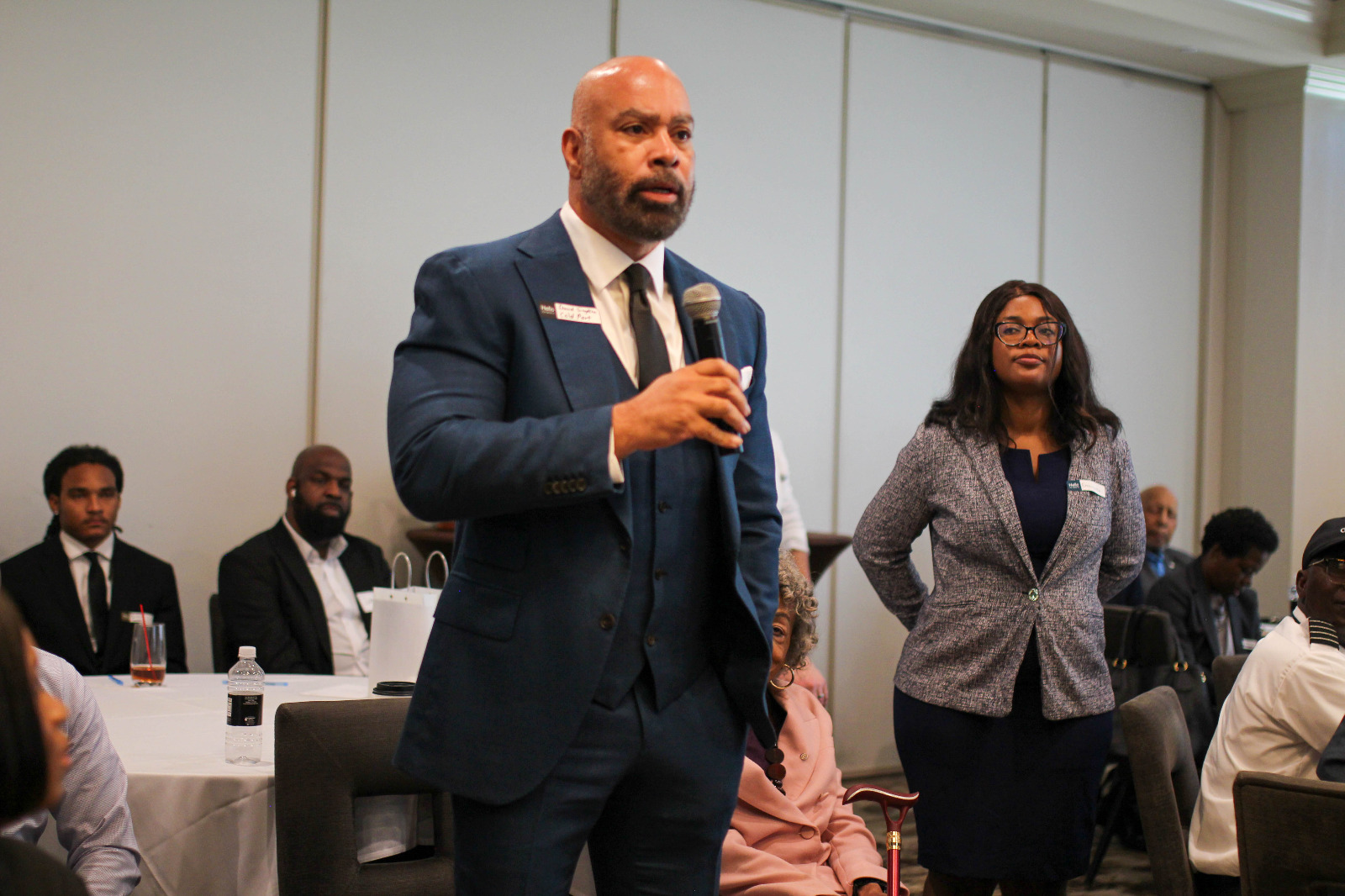
Mr. Butler noted that despite previous challenges relating to utility arrears, recent engagements with the current administration have renewed confidence within the energy sector.
“Without power, you cannot get development.”
The official also disclosed that the company currently contributes about 12 percent of Ghana’s dependable power supply and serves more than one million households nationwide.
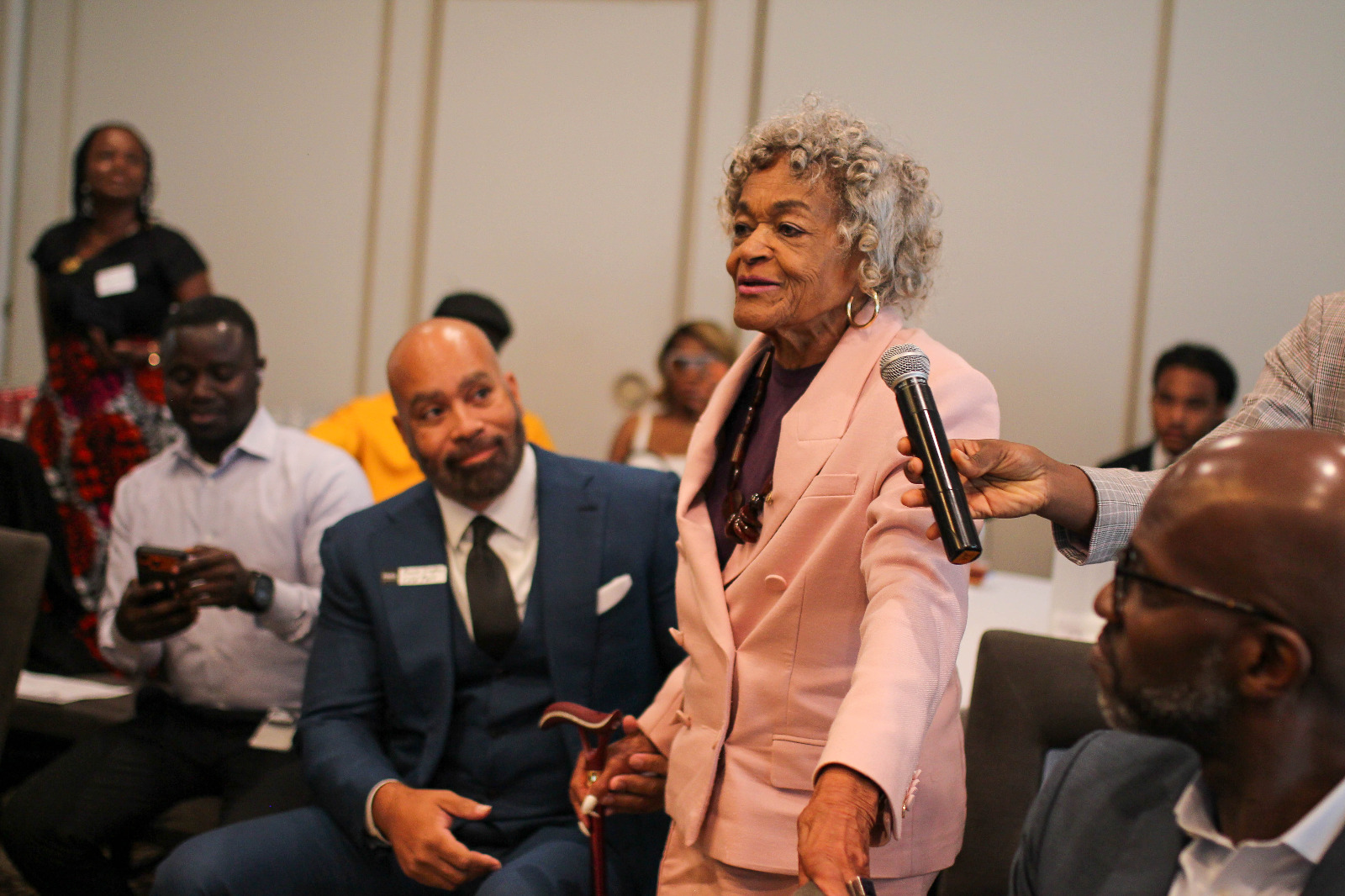
The Economic Dialogue concluded with renewed commitments to deepen Ghana–U.S. business cooperation, strengthen diaspora engagement, and develop practical frameworks capable of transforming economic opportunities into measurable development outcomes.