



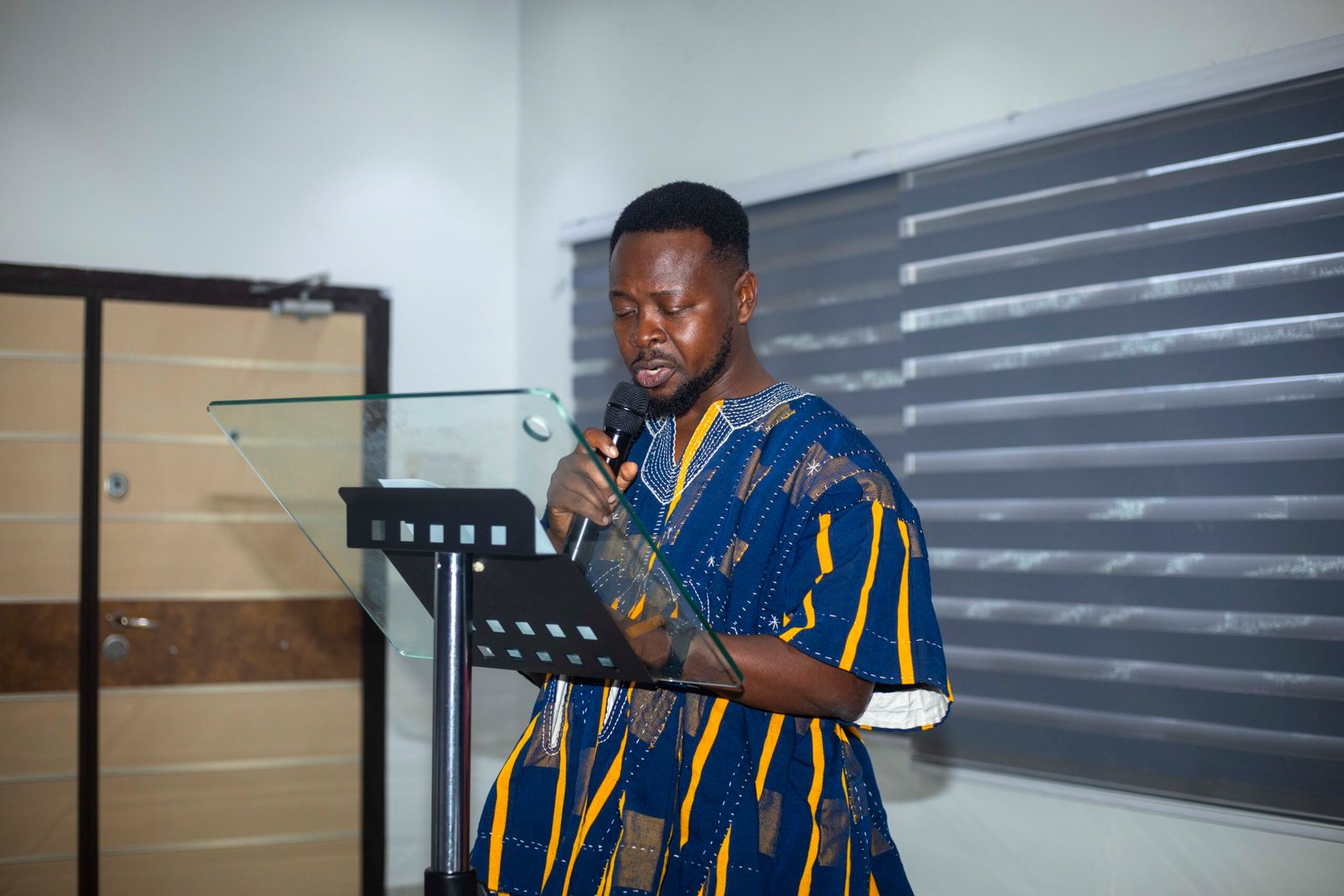
The President of the Private Newspapers and Online News Publishers Association of Ghana (PRINPAG), David Tamekloe, has called for stronger investment, supportive regulation and strategic partnerships to strengthen Ghana’s private media and safeguard the future of professional journalism.

According to him, while the media has a critical role to play in national development and democratic governance, inadequate resources and weak regulatory support continue to undermine the industry.
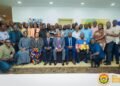
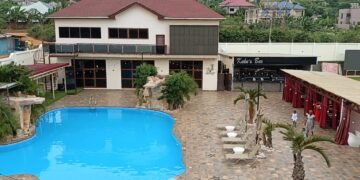
Mr Tamekloe made the call on Saturday, August 29, 2026, when he delivered the welcoming address at a two-day capacity-building workshop on responsible security reporting at the Platinum Bay Hotel in Abokobi, Accra.
The workshop, organised by PRINPAG in collaboration with the National Security Council Secretariat under the theme **“Media as a Strategic Partner in National Security,”** seeks to equip private newspaper and online news publishers with the skills to report accurately, responsibly and professionally on contemporary security issues.
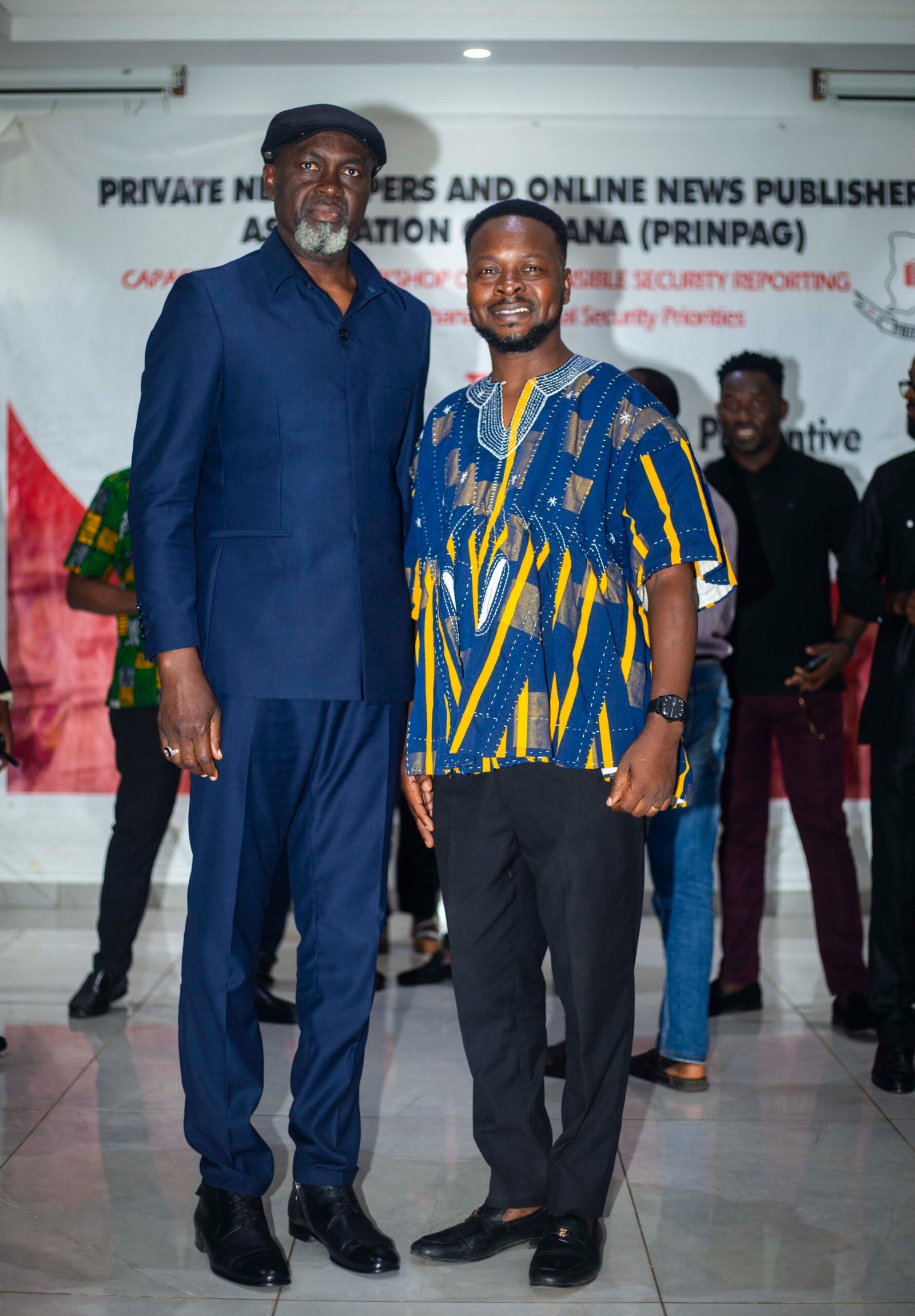
Mr Tamekloe strongly defended the relevance of professional journalism amid the rapid growth of social media and other digital platforms.
He rejected suggestions that traditional media was becoming obsolete, arguing that the proliferation of social media should not be confused with journalism.
“The madness we witness on social media is NOT journalism,” he stated, stressing that journalism remained a noble profession that had historically exposed tyranny, championed the oppressed and documented important developments in society.
He warned against abandoning professional journalism because of the challenges confronting the traditional media industry. “If we abandon journalism, we abandon memory itself,” he said.
The PRINPAG President also urged stakeholders to support legislation and policies that would protect the media industry while preserving freedom of expression.
He argued that regulation should not be used to suppress dissenting voices but should help protect credible journalism from the growing spread of misinformation and falsehoods.
“We can legislate to protect the media not to stifle freedom of speech, but to insulate truth from the cacophony of falsehood,” he said.
Mr Tamekloe further called for increased investment in private media organisations, saying resources were essential for the industry to remain viable and independent.
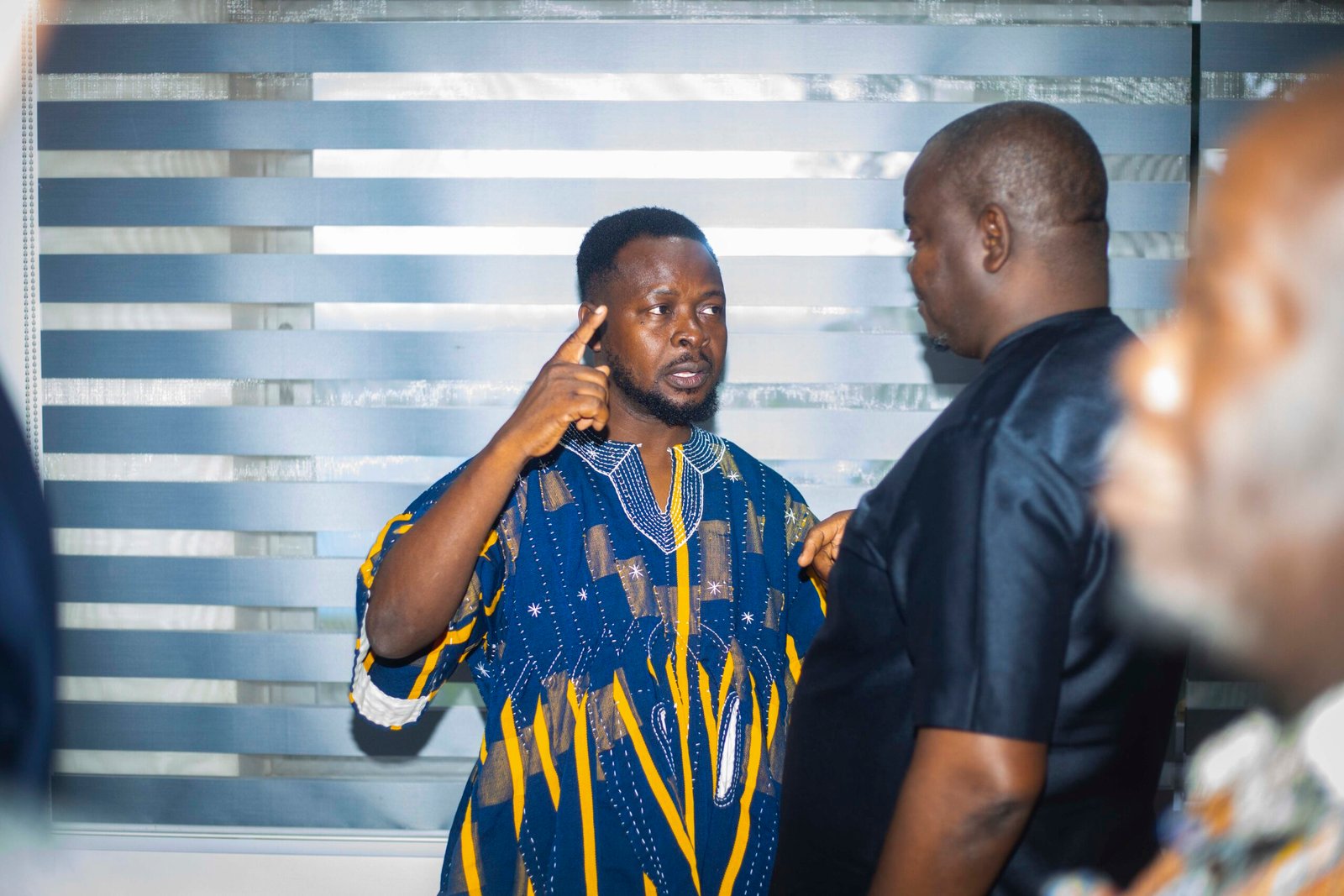
He said media associations such as PRINPAG required greater support to effectively assist practitioners and maintain professional standards. “The private media must be oiled, empowered, and equipped to thrive,” he stated.
While calling for greater support for the industry, Mr Tamekloe also challenged journalists and media practitioners to uphold integrity and professional standards.
He urged practitioners to place the national interest above narrow political or commercial agendas and to maintain accuracy, responsibility and conflict-sensitive journalism, particularly when reporting on security matters.
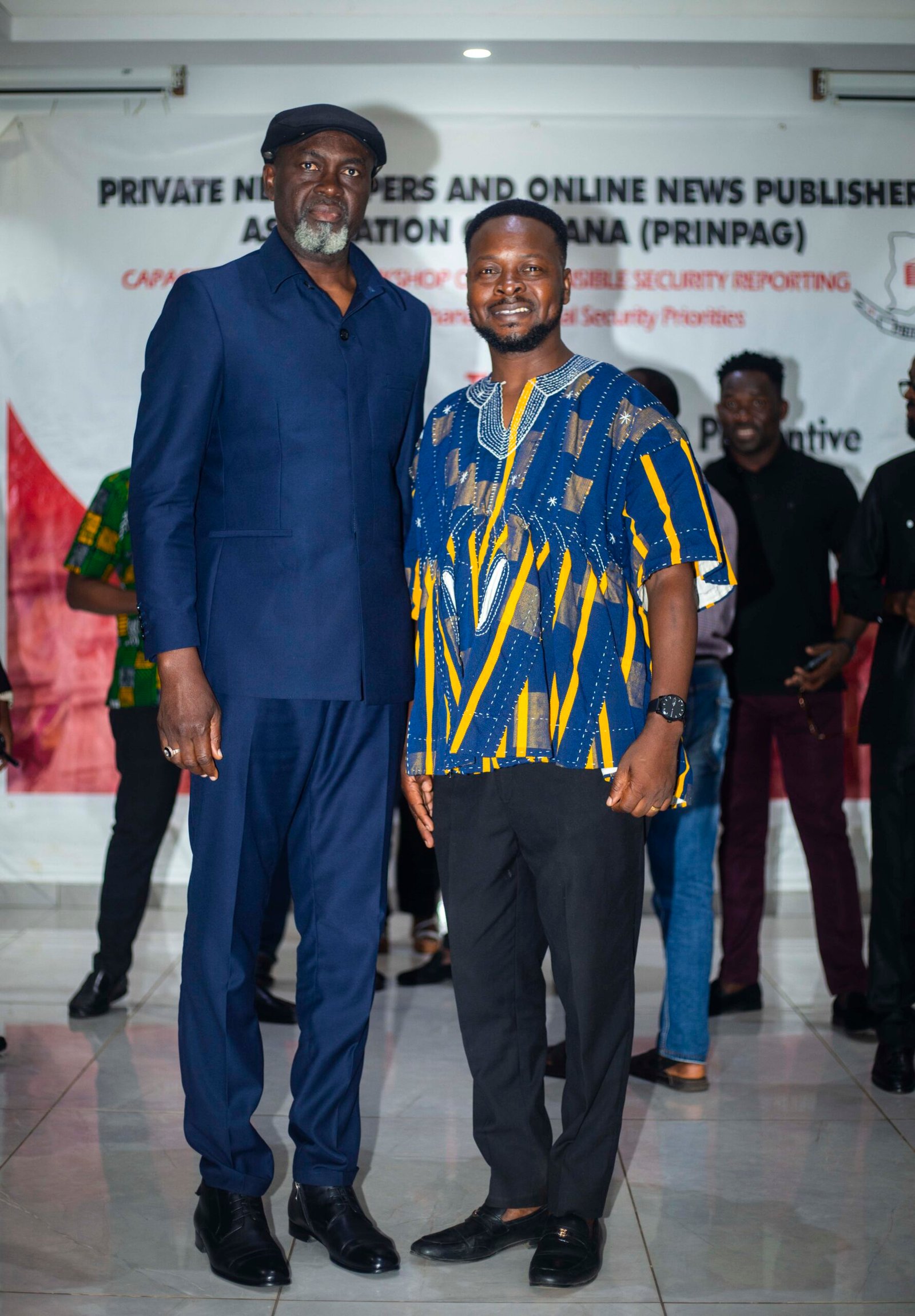
“Resource alone is not enough. As journalists and media practitioners, we must use our integrity to defend the journalism profession,” he said.
He encouraged PRINPAG members who were not participating in the workshop to uphold the principles of accuracy, responsibility, professionalism and conflict-sensitive journalism in their coverage of security-related issues.

Mr Tamekloe also highlighted PRINPAG’s contribution to Ghana’s media landscape, noting that the association had existed since 1991 and had played a role in supporting private press practitioners and promoting professional standards.
He said PRINPAG had served as a peer-review platform and watchdog for the private press while providing technical and financial support to practitioners despite limited resources.
According to him, the association had remained a strategic partner to Ghana’s democratic development for more than three decades.
Mr Tamekloe expressed appreciation to the National Security Council Secretariat for collaborating with PRINPAG to organise the workshop.
He called for the partnership to be strengthened and extended to other relevant security agencies to improve the capacity and safety of journalists reporting on national security.
He described journalists as leaders within their respective media organisations who sometimes dedicate their resources and personal safety to protecting democratic values and informing the public.
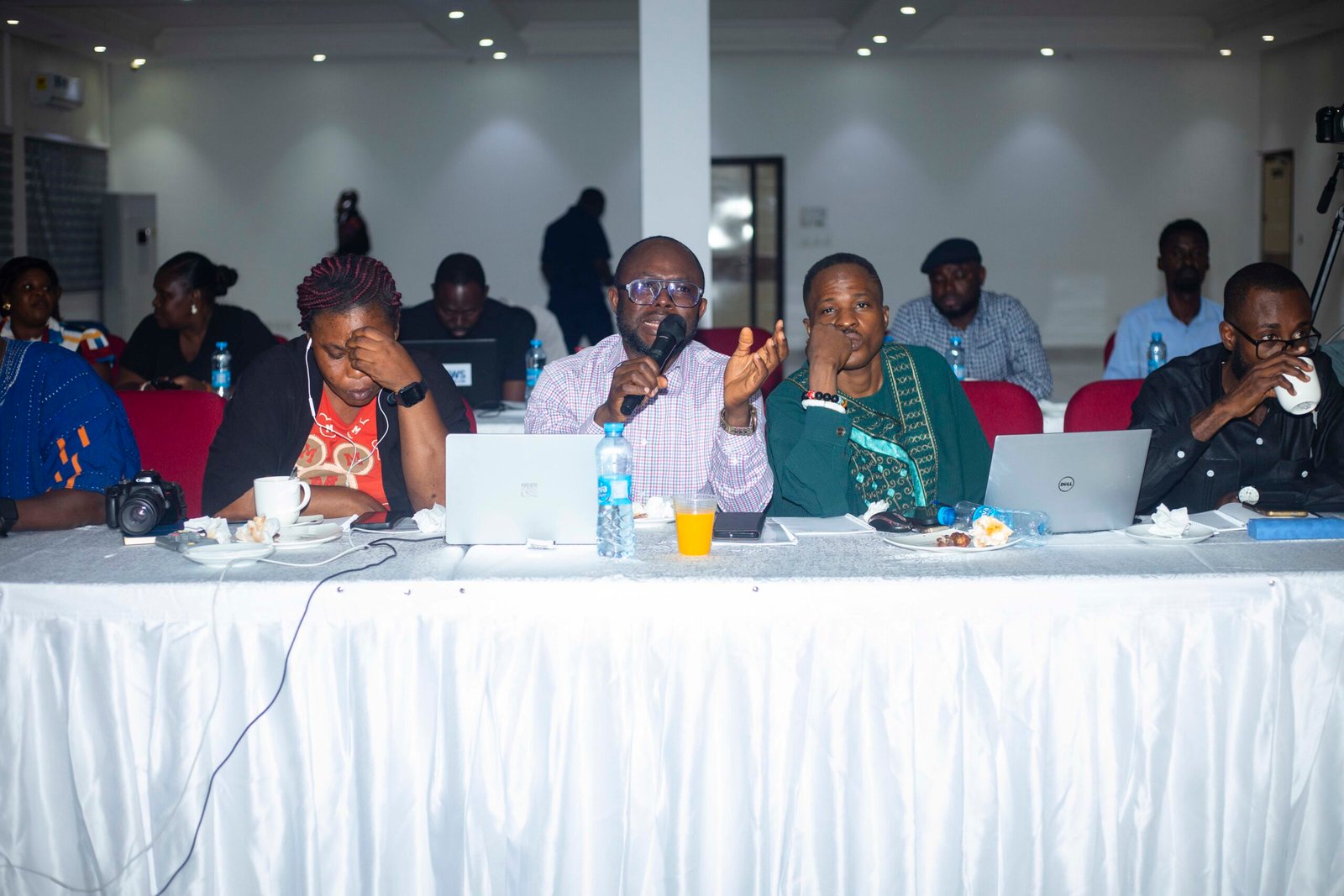
The workshop brings together selected PRINPAG members, senior journalists, media executives, security experts and other stakeholders to discuss emerging security threats and the responsibilities of the media.
Topics include Ghana’s national security architecture, emerging and asymmetric security threats, communal conflicts, conflict-sensitive journalism, the Security and Intelligence Agencies Act, 2026 (Act 1168), strategic communication, cybercrime, digital threats, information warfare, ethics, national interest and press freedom.
The PRINPAG President urged participants to actively engage with facilitators, share experiences and build networks that would strengthen responsible security journalism in Ghana. He expressed hope that the workshop would contribute to a safer, better-informed and more united Ghana.