







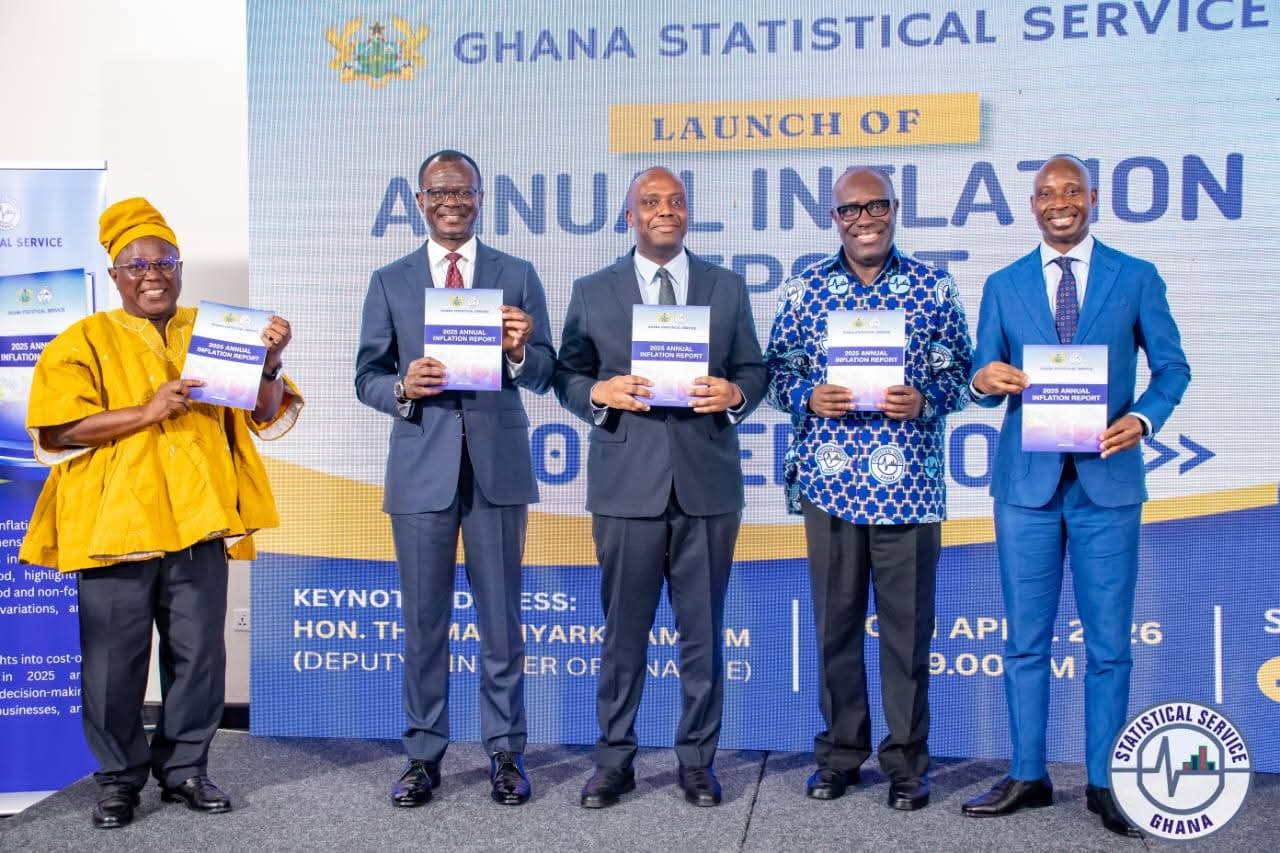
The Ghana Statistical Service has launched the first-ever Annual Inflation Report marking a shift.
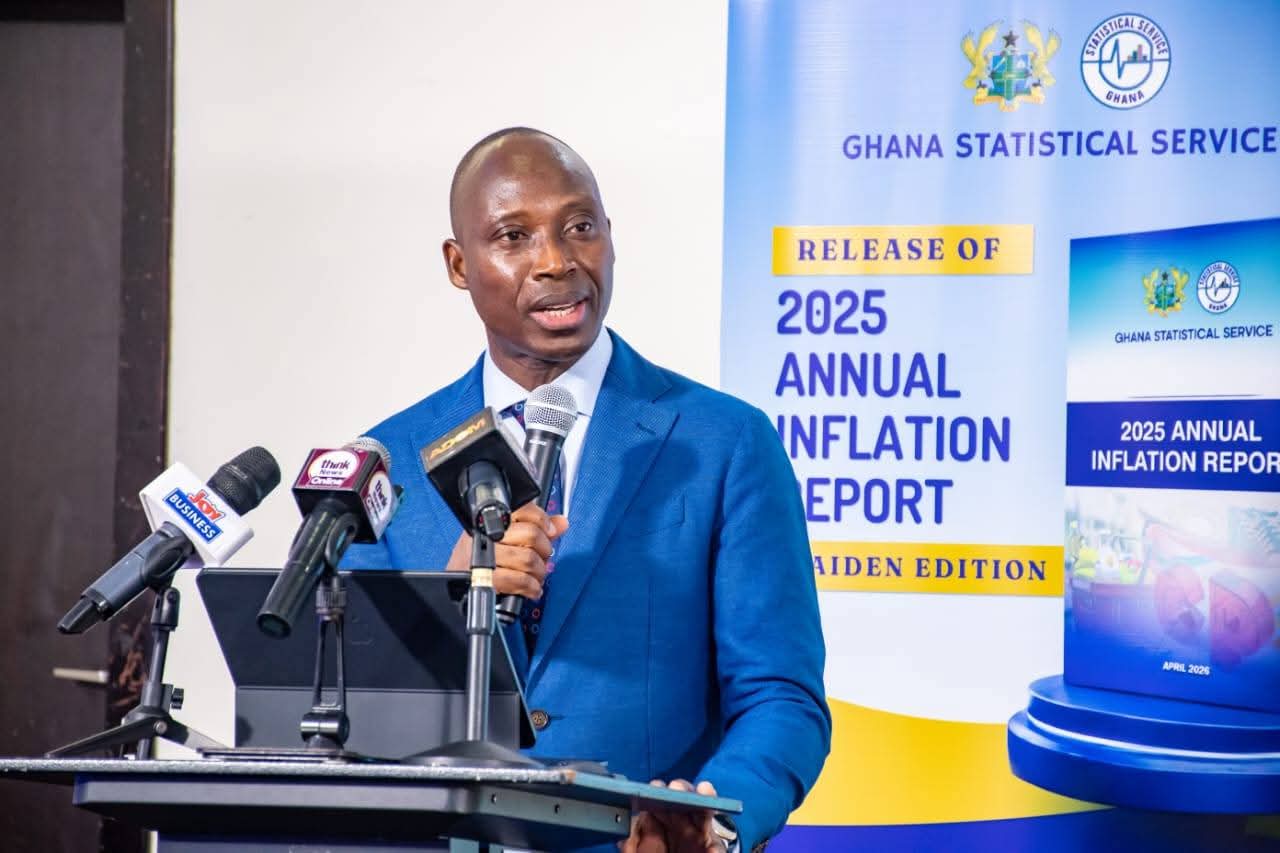
“We are moving beyond monthly CPI updates to tell the full story of inflation over the year, what changed, what drove it, and what it means for people, businesses, and policy”.
The headline is clear, and encouraging:
Inflation declined from 23.5% in January 2025 to 5.4% in December. That is 12 straight months of decline, one of the strongest disinflation episodes in our region.
But the deeper story matters even more.
1. First, inflation fell, but prices did not.
Lower inflation simply means prices are rising more slowly, not that they are falling. This distinction matters for every household.
2. Second, food remains the biggest pressure point.It accounted for over half of total inflation. At the item level, rent and electricity pushed inflation up, while tomatoes helped bring it down.
3. Third, inflation in Ghana is largely homegrown. About 74% of price pressures came from domestic factors, not imports. This is not just an external shock story, it is a local one.
4. Fourth, inflation is not uniform across the country. It ranged from 10.9% in Bono East to 24.9% in Upper West. Progress is real but uneven.
The discussions reinforced a simple truth:

This progress did not happen by chance.
It was driven by policy coordination, between the Bank of Ghana and the Ministry of Finance. Tight monetary policy, fiscal discipline, exchange rate stability, and easing fuel prices all played a role.
Now comes the harder part: sustaining the gains.That will require:
1. Fixing food inflation at its source
2. Strengthening domestic supply chains
3. Maintaining fiscal and monetary discipline
4. Managing administered prices carefully
5. Continuing to invest in better data
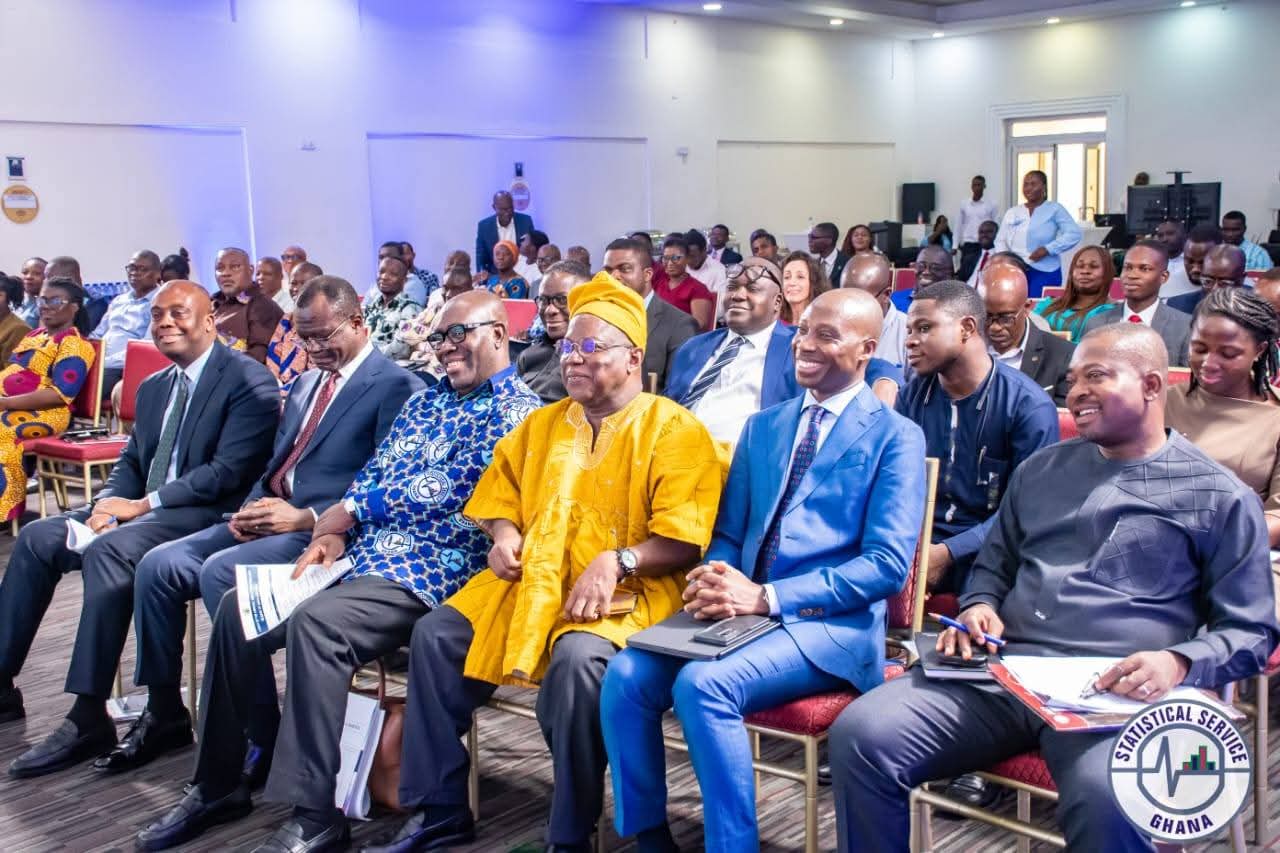
What stood out most was the quality of engagement. Government, the central bank, academia, the private sector, and civil society came together for an honest, evidence-driven conversation on inflation in Ghana.
That is exactly how progress is sustained.
My sincere appreciation to: Hon. Thomas Nyarko Ampem, Dr. Anthony Yaw Baah, Dr. Zakari Mumuni, and our distinguished panellists, Dr. Nii Moi Thompson, Prof. Godfred Bokpin, Mr. Seth Twum-Akwaboah, and Dr. Philip Otoo. And to the entire GSS team, this milestone is yours.
The full report is available at statsghana.gov.gh.
The gains are real. Now the real test begins, keeping them.