








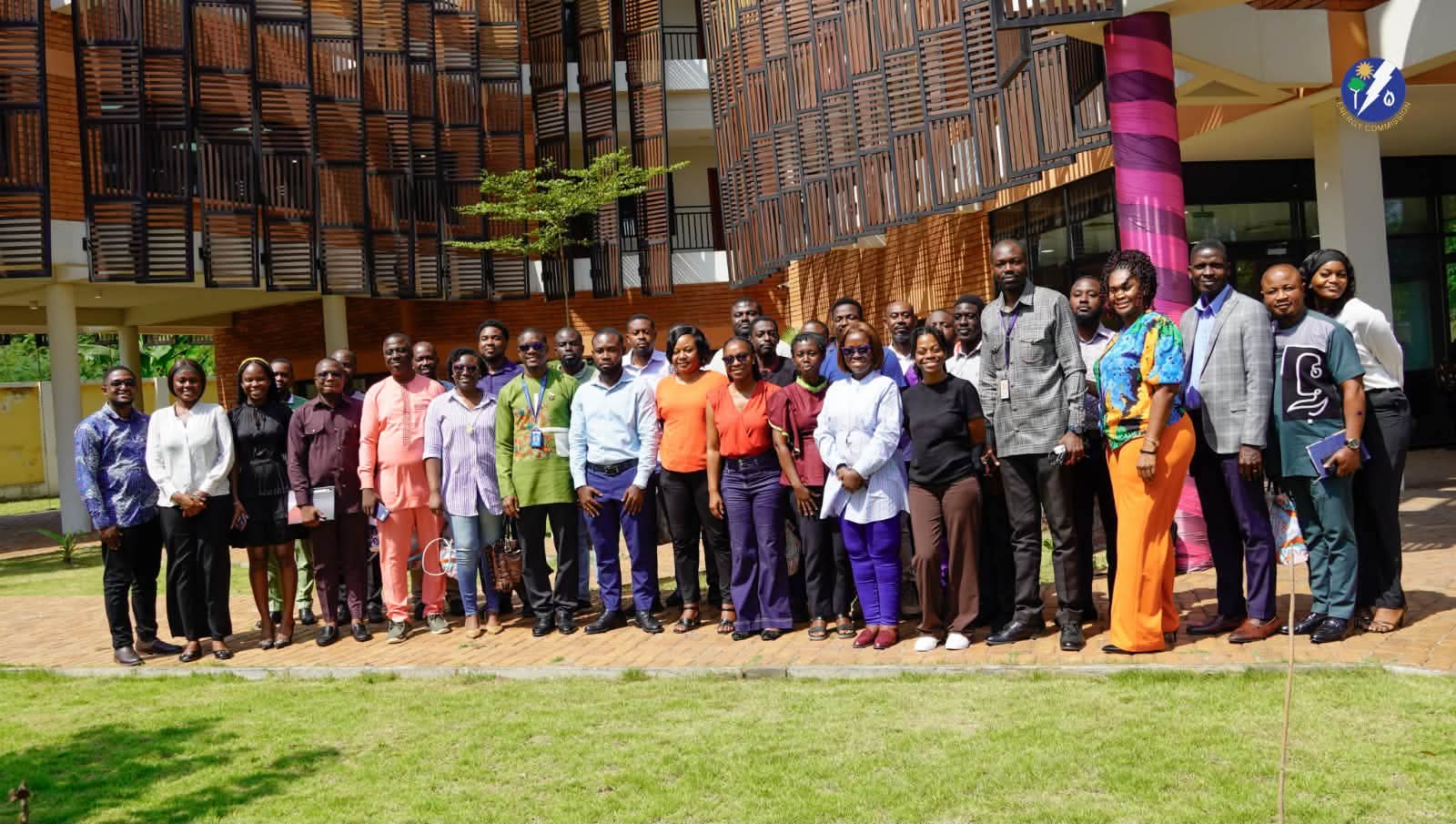
The Energy Commission has begun formal engagement with the Ghana Institute of Architects (GIA) on integrating energy efficiency requirements into Ghana’s building permitting process. At a session held at the Commission, technical experts from the Energy Efficiency Unit presented the proposed Building Energy Efficiency Guidelines, developed in line with Ghana Standards.

The guidelines support Ghana’s commitments under the Paris Agreement and the Sustainable Development Goals (SDG 7 and SDG 13), and offer three compliance pathways: prescriptive, performance-based, and certification to accommodate different building categories. Architects raised questions on implementation timelines, compliance procedures and practical application, which the Commission’s experts addressed directly.
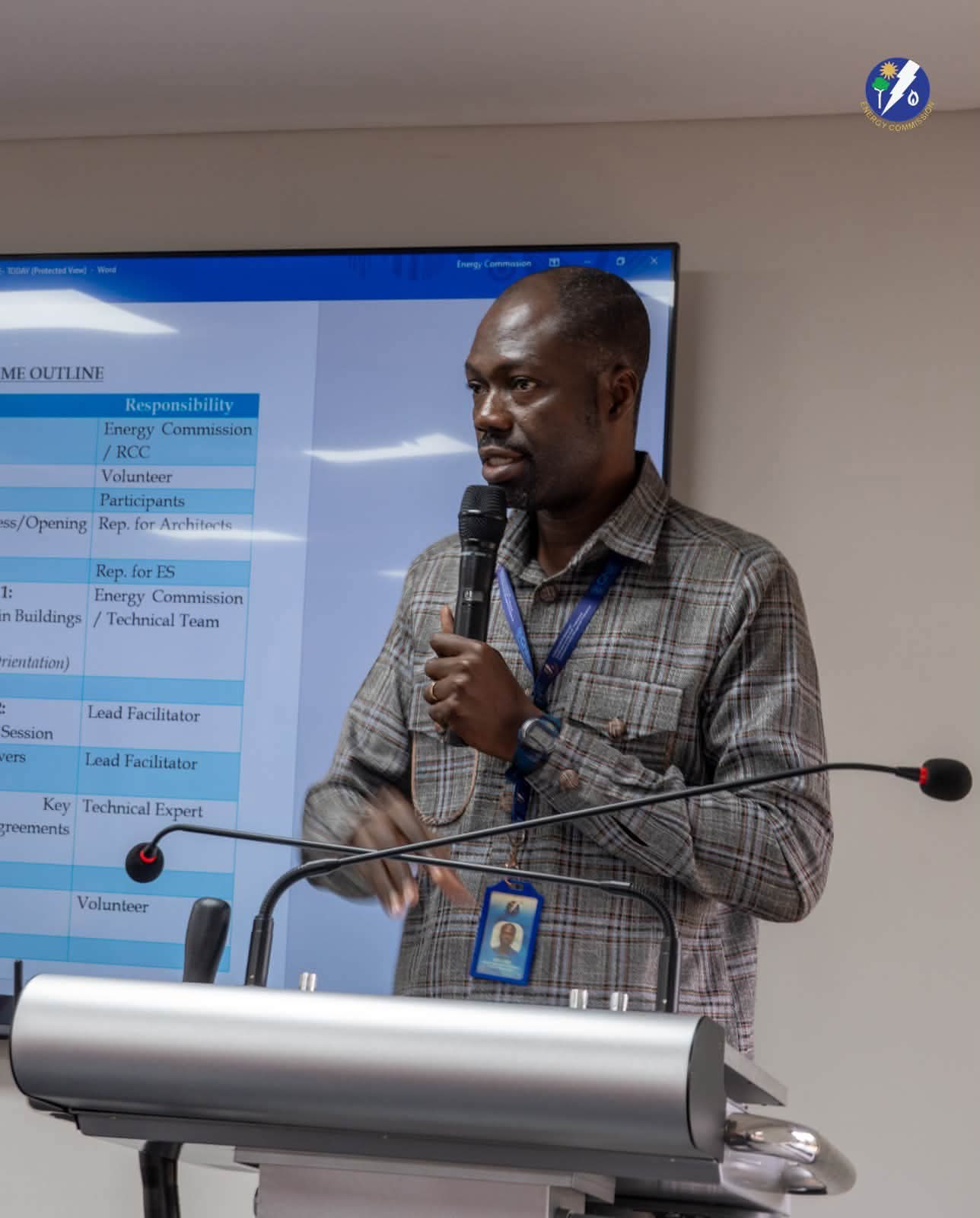
The Commission has described this as the first in a planned series of stakeholder engagements across Ghana’s built environment sector, aimed at refining the framework ahead of implementation. Its stated goal is a set of guidelines that are practical, commercially viable and responsive to industry realities.
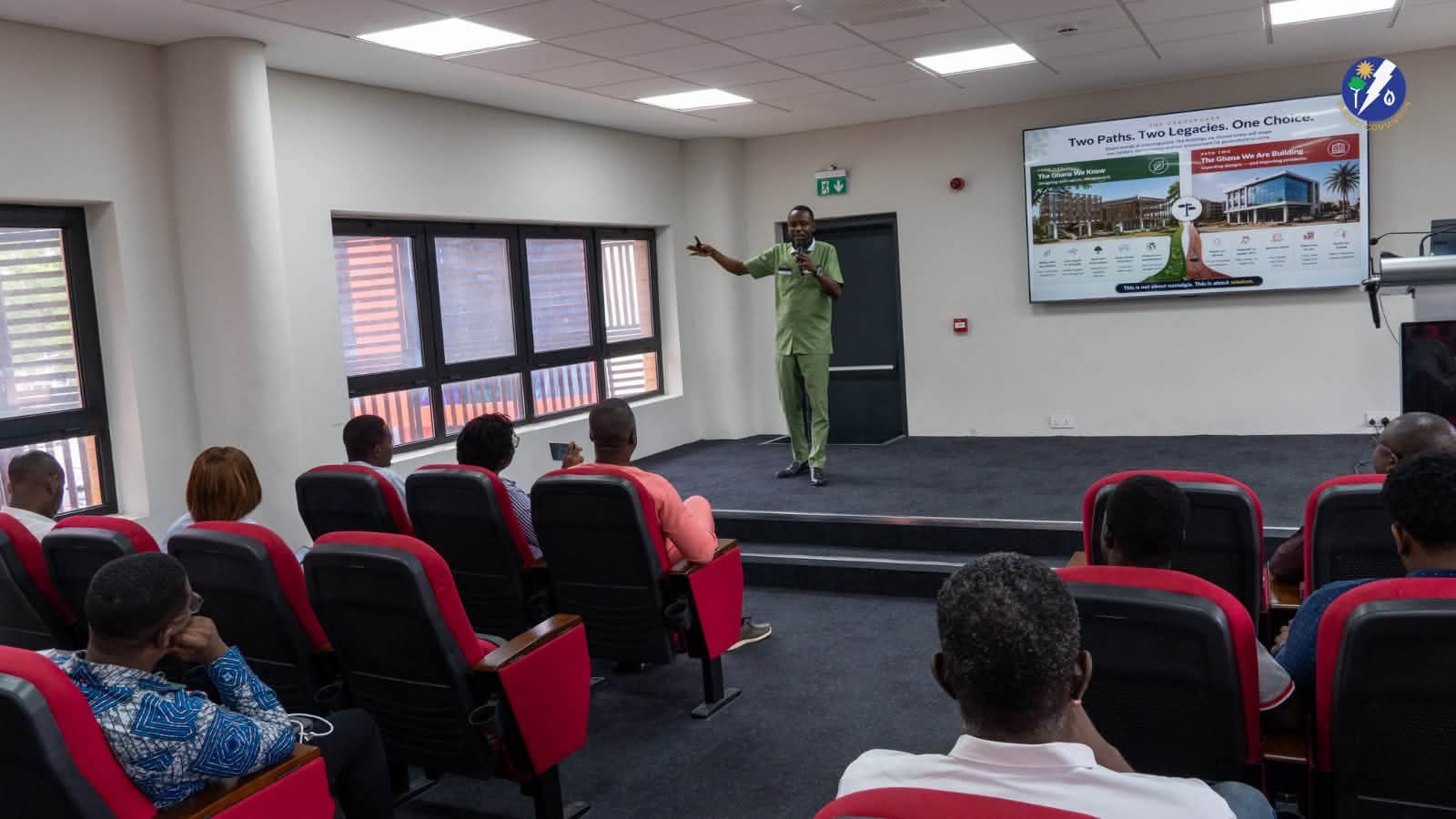

A site visit to the Nearly Zero Energy Building(NZEB) gave participants a first-hand look at how energy efficiency and renewable energy features can be built into modern design.