








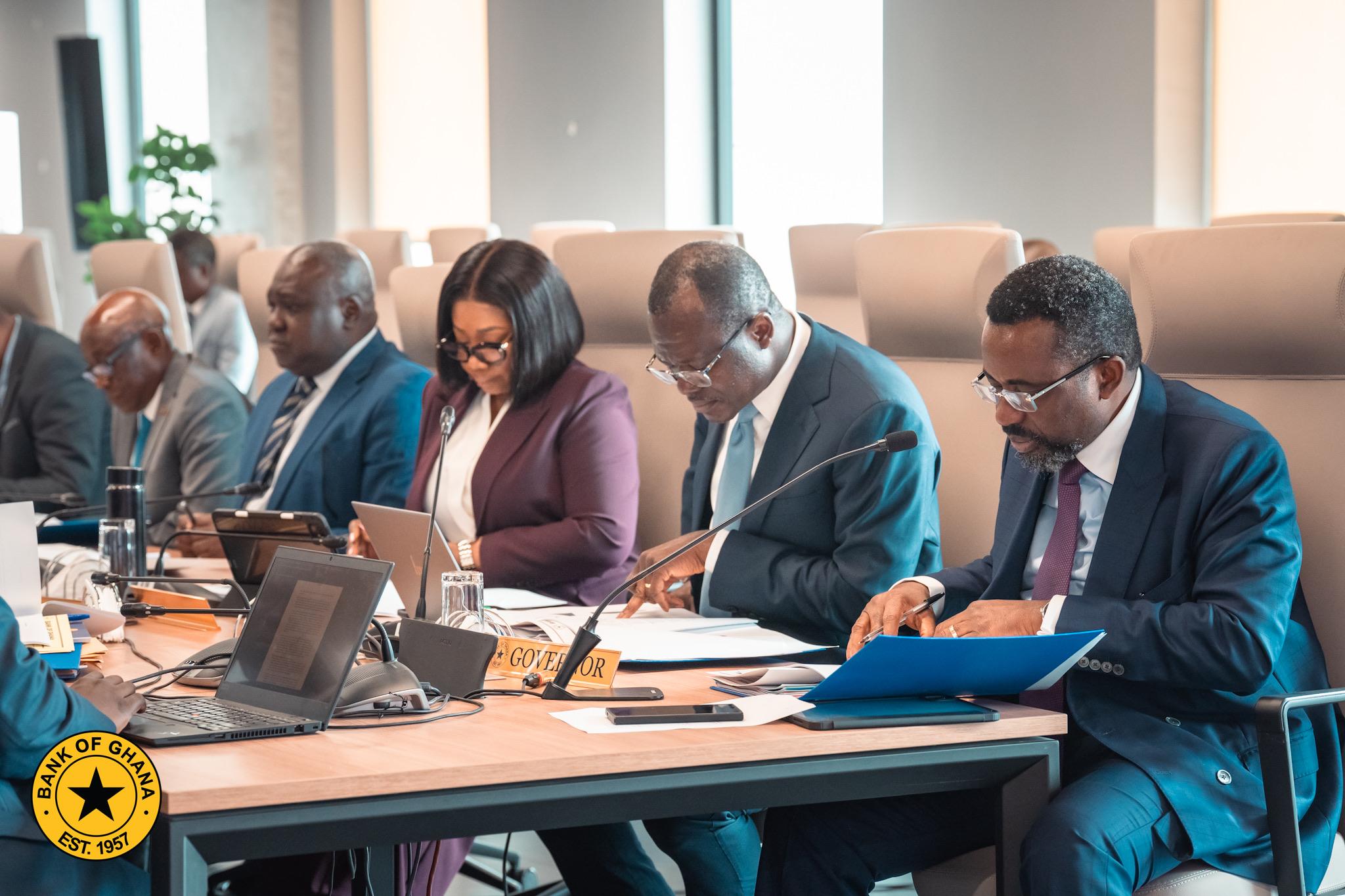
The Governor of the Bank of Ghana Dr. Johnson Pandit Asiama has welcomed the IMF’s recent conclusion of a staff-level agreement on a 36-month non-financing Policy Coordination Instrument (PCI), describing it as a significant step forward in Ghana’s economic reform journey.
In a statement, the Governor emphasized that the PCI is designed to reinforce Ghana’s policy ownership and demonstrate the country’s commitment to sustaining macroeconomic stability and growth. The instrument is structured around six key pillars, including fiscal adjustment, debt sustainability, fiscal transparency, monetary policy enhancement, financial sector stability, and economic diversification.
Of particular importance to the Bank of Ghana is the PCI’s focus on strengthening the country’s monetary policy framework. This includes improving the transmission mechanism, enhancing liquidity forecasting, and maintaining strict adherence to the inflation targeting regime. The reforms aim to anchor inflation expectations more effectively and ensure forward-looking policy measures.
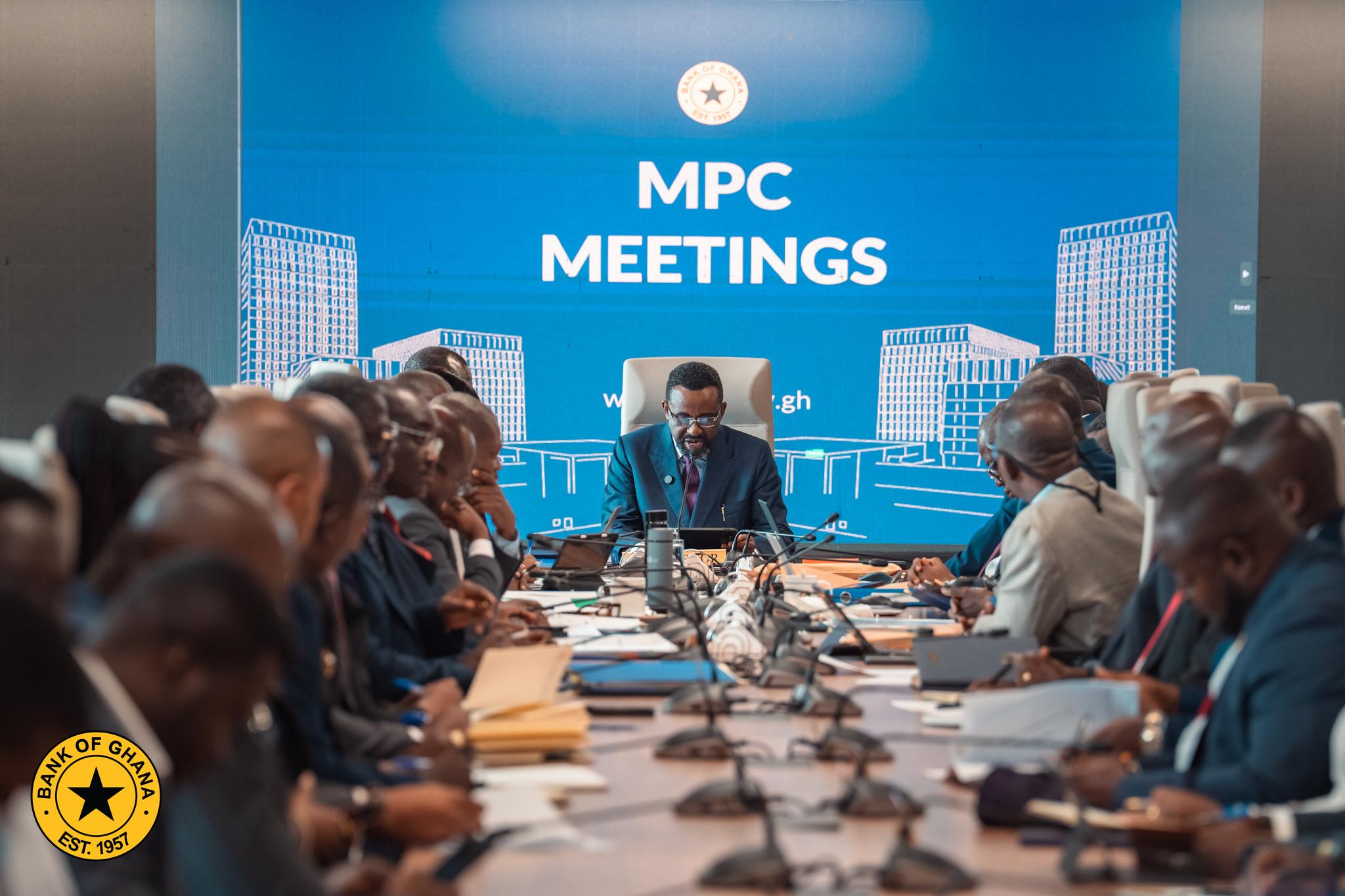
The Governor noted that the ongoing corridor reform discussions are aligned with the PCI’s monetary framework pillar, reinforcing the Bank’s commitment to maintaining price stability and financial stability amidst external challenges.

Furthermore, Dr. Johnson Pandit Asiama said the PCI will support efforts to bolster the Bank’s balance sheet by limiting quasi-fiscal activities, improving transparency, and increasing oversight of the Domestic Gold Purchase Programme (DGPP). Addressing operational constraints within the foreign exchange and reserve management framework will also be a priority, ensuring a resilient and sustainable external sector.
The Bank of Ghana remains committed to implementing these reforms, which are expected to enhance the country’s economic resilience, foster investor confidence, and support inclusive growth. The partnership with the IMF through the PCI underscores Ghana’s dedication to sound macroeconomic policies and sustainable development.
The Ghanaian economy shows signs of resilience amid external headwinds, as recent policy measures and reforms have yielded positive results. Key developments include a notable current account surplus exceeding last year’s figures by approximately US$652 million in Q1 2026, indicating improved external sector performance.
Speaking at 130th Monetary Policy Committee Meeting opening in Accra, the Governor mentioned that the government successfully issued a 7-year bond and plans to raise US$1 billion through local-currency bonds to finance cocoa purchases, aiming to reduce reliance on foreign currency funding and strengthen financial stability. Additionally, a temporary reduction in petroleum margins has been announced to mitigate rising fuel prices caused by the ongoing Middle East conflict, which has led to a surge in global energy prices and increased inflation risks.

Despite external shocks, inflation has only recently ticked up, marking the first increase since December 2024, while domestic inflation expectations remain anchored, supported by ongoing reforms. The IMF’s recent review praised Ghana’s stabilization gains, including lower inflation and improved debt sustainability, but emphasized the need for continued vigilance due to persistent external risks.
The IMF and Ghana are also engaging in a 36-month Policy Coordination Instrument (PCI), aimed at sustaining growth, safeguarding debt, strengthening monetary policy, and enhancing financial sector stability. The Bank of Ghana is expected to realign interest rates and strengthen the banking sector to ensure financial stability and support credit expansion.
He however, risks remain, including protracted external conflicts driving energy prices higher, domestic energy supply disruptions, and fiscal vulnerabilities from external revenue shocks. These factors could threaten inflation targets and economic stability if not carefully managed.