







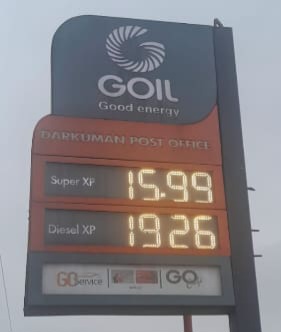
Ghanaians are calling on government to intervene urgently as prices of petroleum products recorded a sharp increase at fuel stations nationwide from Saturday, August 1, 2026.
The upward adjustment by Oil Marketing Companies (OMCs) will remain in effect until August 15 under Ghana’s bi-weekly fuel price review system, and has pushed the cost of petrol and diesel significantly higher.
What’s Driving the Hike:
The latest increase was projected by the Chamber of Oil Marketing Companies (COMAC), which attributed it to three key factors:
Higher global crude oil prices;
Increases in refined petroleum product prices on the international market;Depreciation of the Ghana cedi against the US dollar
The cedi’s weakness means importers are paying more for dollar-denominated fuel, a cost that is being passed directly to consumers at the pump.
The new prices are adding further pressure on households already grappling with high living costs.
Transport fares, food prices, and the cost of doing business are expected to rise in the coming days as the fuel hike filters through the economy.
Traders, drivers, and small businesses say the timing is particularly difficult, with many calling for swift government action to cushion the impact.
“This astronomical increase will affect everything. From trotro fares to food at the market. Government must act fast,” one Accra commuter said.
Under the deregulated pricing regime, OMCs review prices every two weeks based on global market trends and forex rates. The next review window opens on August 16, 2026.

Analysts say if crude prices remain elevated and the cedi continues to depreciate, further increases cannot be ruled out in the next window.
Government is yet to announce any mitigation measures such as a reduction in fuel levies or subsidies. Economic watchers say policy intervention will be critical to prevent the fuel hike from triggering broader inflation.