







Private-sector credit growth more than doubled year-on-year to 35.5 per cent in August, supported by lower lending rates and a recovery in demand, the Bank of Ghana says. The figures come as the Monetary Policy Committee kept the policy rate at 14 per cent, while warning banks to maintain prudent lending standards as credit expands.
The Bank of Ghana says private-sector credit growth accelerated to 35.5 per cent in August 2026, from 13.3 per cent a year earlier, as lending rates fell and demand for credit recovered.
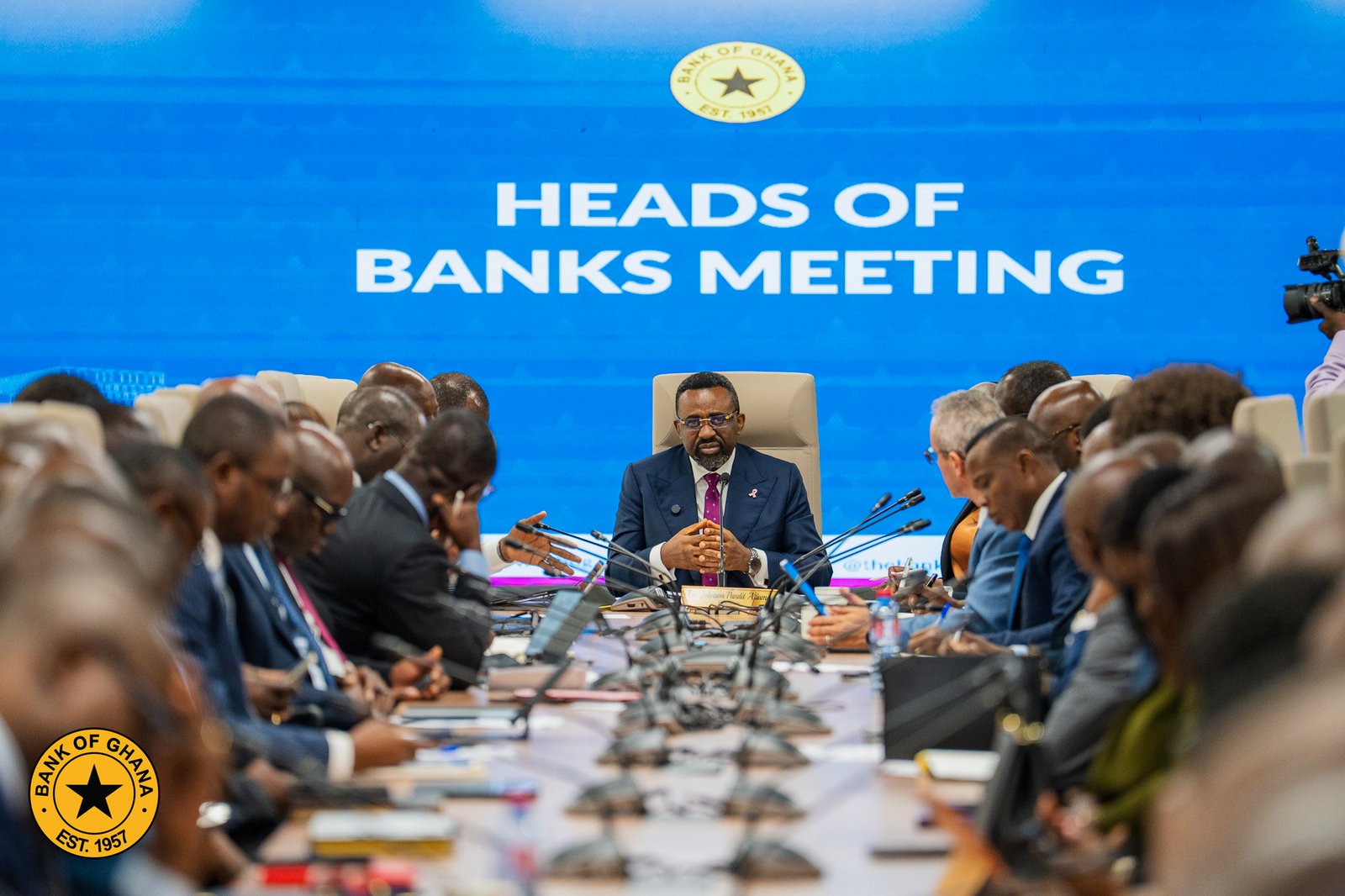
In remarks to bank executives on Tuesday, Governor Dr Johnson Asiama said average bank lending rates had declined to 15.9 per cent in August, from 24.2 per cent in the same month last year. In real terms, private-sector credit grew by 29 per cent, compared with 1.7 per cent a year earlier.
The figures come as the Monetary Policy Committee (MPC) held the policy rate at 14 per cent at its 132nd meeting in September. The committee judged that risks to inflation and growth were broadly balanced, with inflation expected to move gradually back into the target range.
Headline inflation rose to 5 per cent in August from 4.6 per cent in July, reflecting higher utility tariffs and crude oil prices. However, the Bank said core inflation and inflation expectations continued to ease. The medium-term inflation target is 8 per cent, with a margin of two percentage points either side.
Ghana’s economy grew by 6 per cent in the second quarter of 2026, driven mainly by services and industry, compared with 6.6 per cent in the same period last year. Dr Asiama said underlying activity remained strong and consumer and business confidence were positive.
The Governor also reported improvements in the external position. Ghana recorded a trade surplus of US$8.85 billion in the first eight months of 2026, up from US$6.69 billion a year earlier. Gross international reserves stood at US$12 billion as of September 22, equivalent to 4.5 months of import cover.

Dr Asiama said the banking sector remained resilient, with assets rising on the back of deposit mobilisation and other funding sources. He noted that asset quality had improved, but warned that non-performing loans remained elevated. Banks, he said, must maintain sound lending standards as credit expands.
The Bank plans to issue a Credit Risk Management Directive covering credit origination, monitoring and recovery, as well as a Liquidity Coverage Ratio Directive requiring banks to hold sufficient high-quality liquid assets to withstand a 30-day period of liquidity stress.
The Governor also urged banks to strengthen fraud controls, cybersecurity and oversight of digital financial services. He said the Bank was preparing a consolidated guide to foreign-exchange requirements and stressed that compliance with the rules was “non-negotiable.”
The Bank is also working with the Ministry of Finance on a National Remittance and Diaspora Savings Strategy, which it aims to complete within nine months and begin implementing in the first quarter of 2027.