








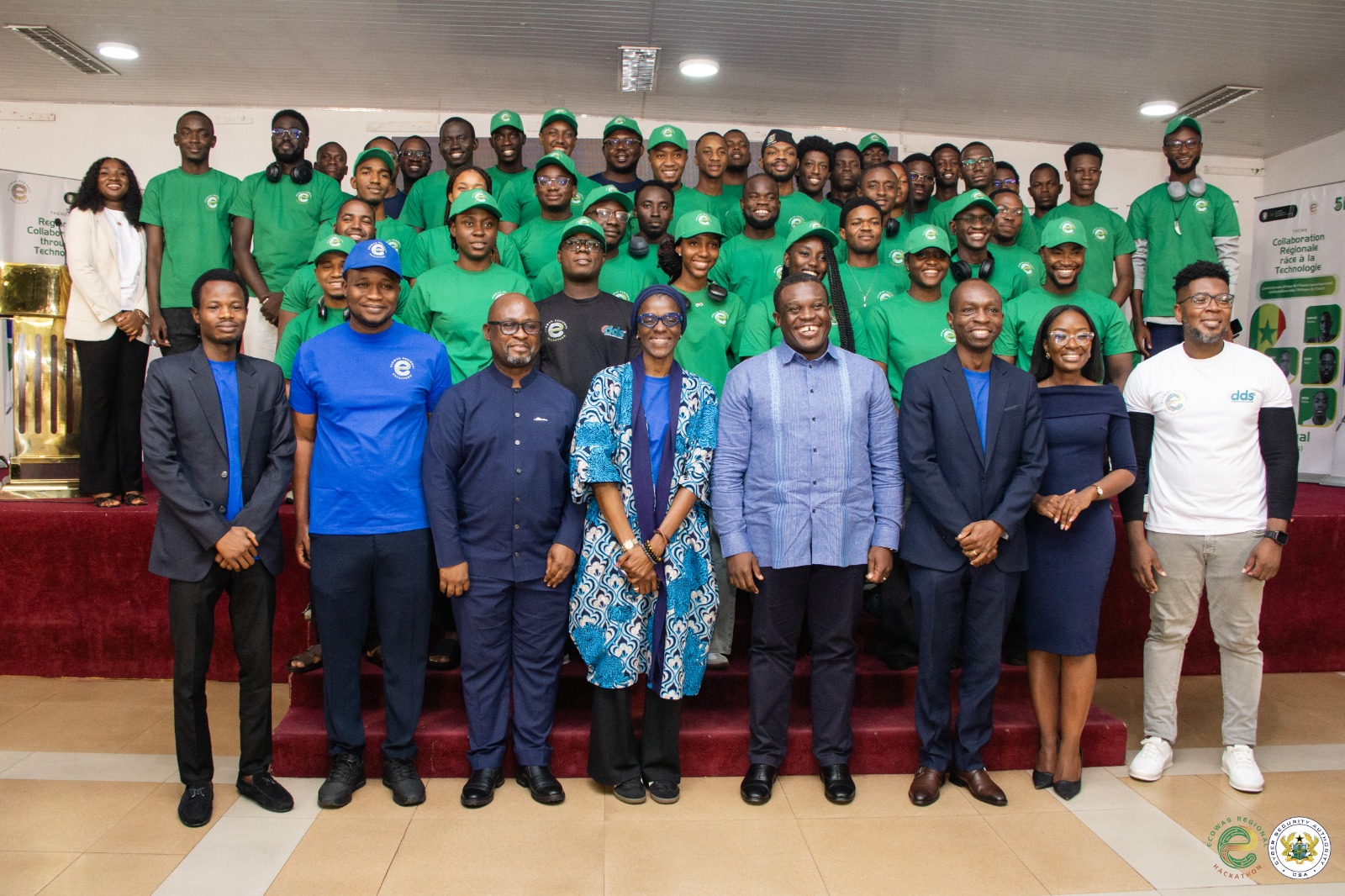
The fourth ECOWAS Regional Hackathon, has opened in Accra, bringing together young participants to develop collaborative solutions to strengthen the region’s digital resilience and to safeguard the rapidly expanding digital economy.
Delivering the keynote address at the opening ceremony at the four-day event, on Monday, the Minister for Communication, Digital Technology and Innovations, Mr. Samuel Nartey George, stressed the need for Africa to invest in local cybersecurity capacity as digital transformation accelerates across the continent.
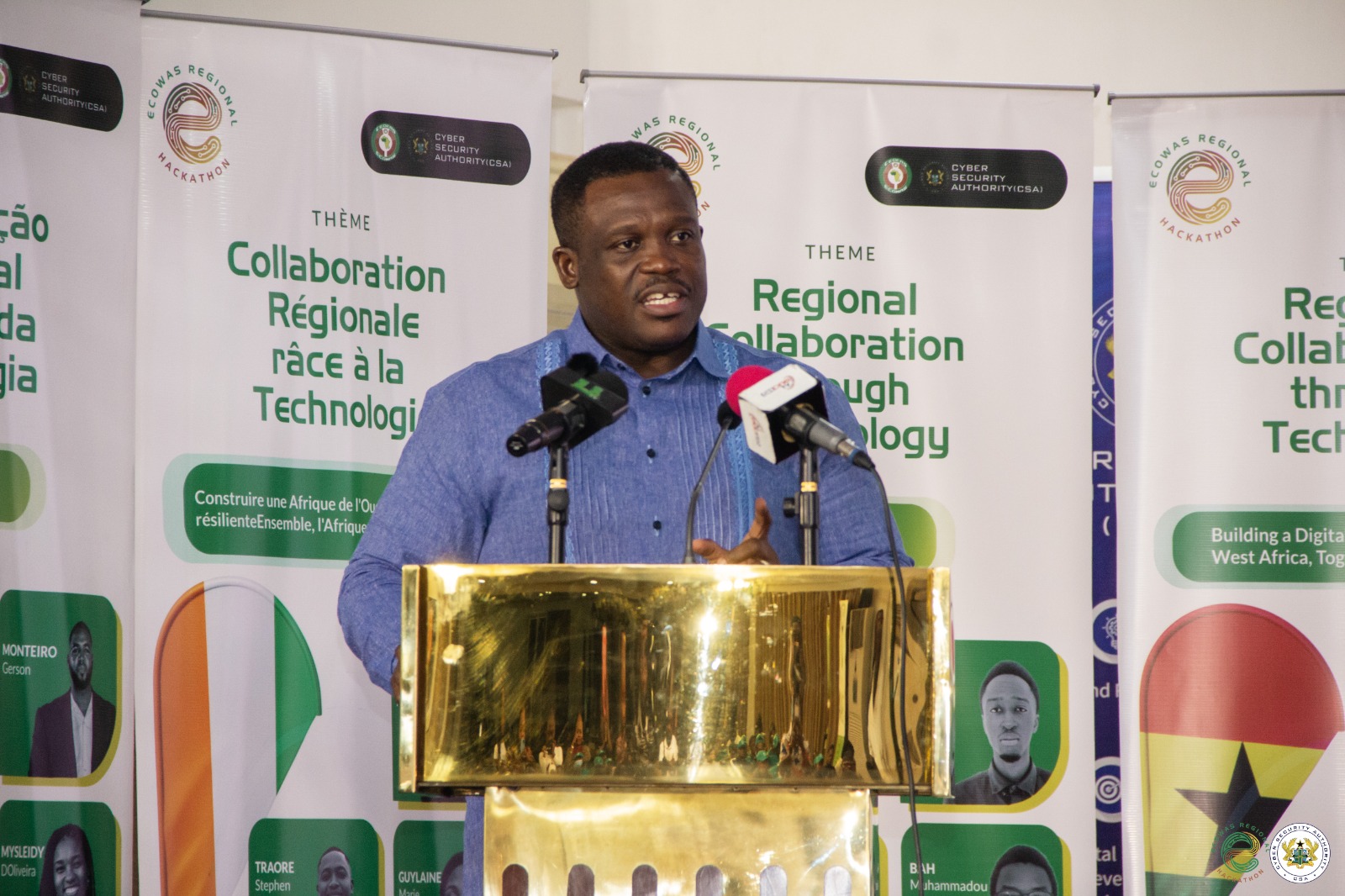
He said while African countries continued to embrace digital technologies across sectors such as banking, healthcare, agriculture, education and governance, the continent must also prioritise the protection of the systems supporting those services urging that cybersecurity should no longer be treated as an afterthought as cybercriminal networks continued to grow in sophistication and scale.
He further cautioned against overdependence on foreign expertise in securing Africa’s digital infrastructure, emphasising the need for Africa to develop its own homegrown talent capable of protecting the continent’s digital economy.
The acting Deputy Director-General in charge of Technical Operations at the CSA, Mr Stephen Cudjoe-Seshie, stated that the region’s growing digital transformation exposed countries to increasingly sophisticated cyberattacks. “West Africa’s digital transformation is accelerating, driving innovation, expanding access, and powering economic growth. However, cyber threats ranging from online fraud and ransomware to attacks against critical infrastructure are evolving rapidly and require a collective regional response,” he added.
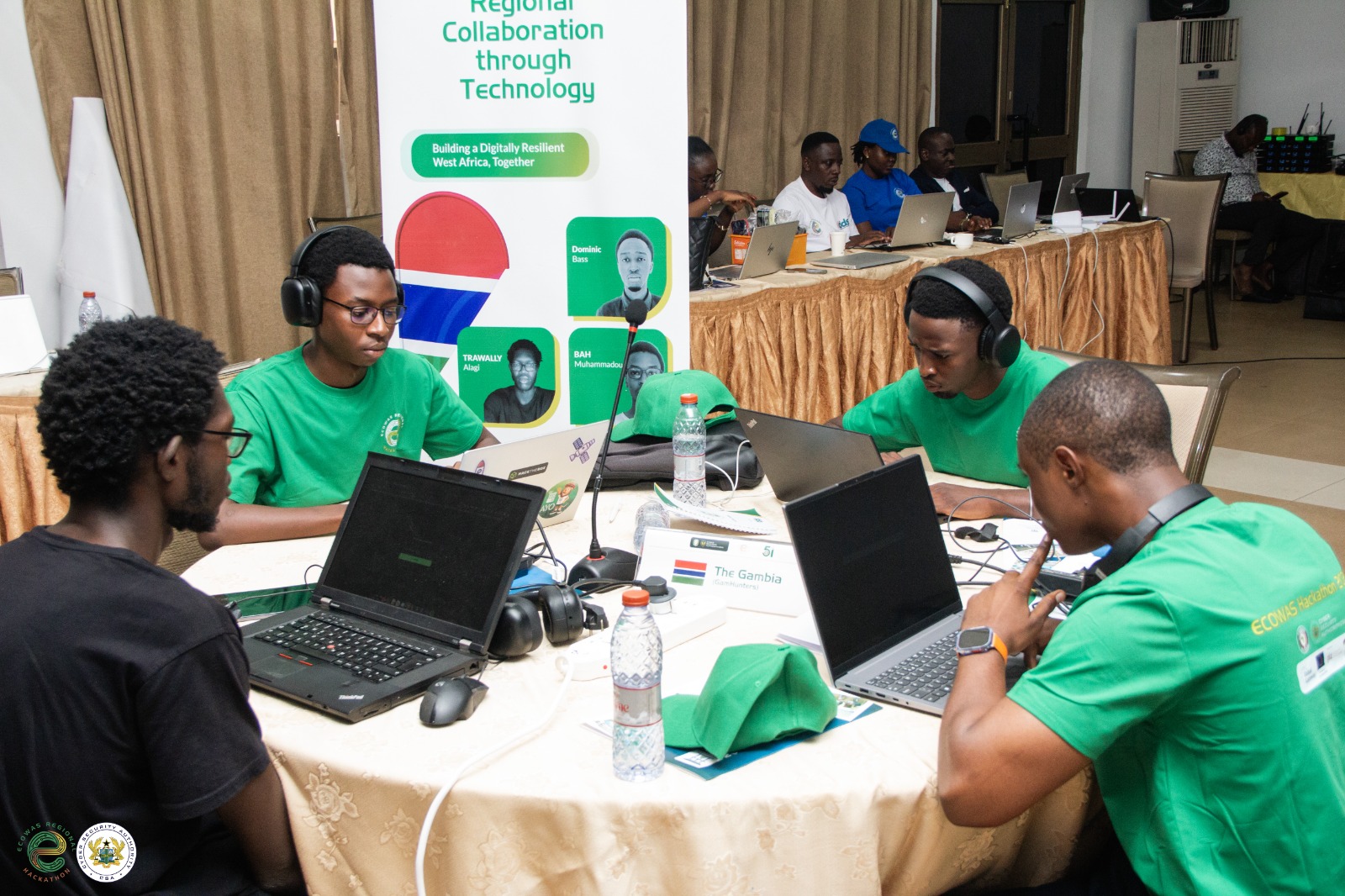
He noted that cyber threats were becoming increasingly interconnected and borderless, making regional cooperation critical to protecting governments, businesses, and citizens across ECOWAS member states.

The ECOWAS Director of Digital Economy and Post, Mrs Folake Olagunju, indicated that Nigeria experienced significant ransomware attacks in 2024 that affected public and private sector institutions and underscored the vulnerability of organisations with limited cyber defences. She added that advanced economies such as the United Kingdom continue to struggle with cybersecurity challenges, particularly among small businesses.
She spoke on the growing local expertise and support for the hackathon, indicating that it has witnessed encouraging progress. “In earlier editions, hackathon challenges were developed by international firms. Today, we are proud that the challenges were created by an Accra-based company, 00SEC, a milestone that reflects the growing expertise within our region”.