








In many political systems, decentralization is often discussed but rarely implemented meaningfully.
Alfred Agbesi Woyome stands out as a political figure who transformed the principle of grassroots empowerment into practical structures within the National Democratic Congress (NDC).
Guided by the belief that political power should arise from local communities rather than be concentrated among a few elites, Woyome championed reforms that strengthened party institutions and expanded ordinary members’ influence.
A central pillar of his approach was activating the unit committee system, the foundation of local political organization.
By clarifying roles, reporting structures, and decision-making authority at the grassroots level, he empowered local organizers to take ownership of community mobilization and party activities.
He also helped pioneer vetting and verification mechanisms that linked branch, constituency, and regional executives, strengthening accountability and ensuring that leadership selection reflected the will of party members at every level.Recognizing that effective decentralization requires resources, Woyome invested heavily in logistics and local campaign operations.
He provided vehicles and motorbikes to branch and constituency organizers, enabling them to conduct voter education, mobilization, and election-day coordination independently. Between 2000 and 2008, he also funded numerous NDC bi-elections, strengthening local campaign structures and ensuring grassroots organizations played a leading role in electoral strategy and voter engagement.Beyond elections, Woyome advanced long-term institutional development through welfare initiatives, including The Heroes Development Fund.
The fund was designed to assist branch organizers, polling station agents, and volunteers, reducing reliance on centralized support and helping sustain party activity between election cycles.
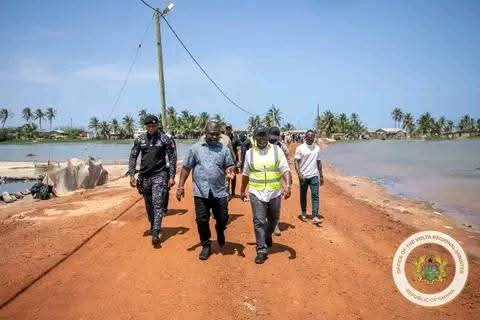
His commitment to decentralization was further demonstrated by his active participation in regional party structures, particularly in the Volta Region, where he worked directly with local executives rather than operating solely from the national level.

At its core, Woyome’s philosophy rejects political “godfatherism” and excessive reliance on powerful individuals.
He believes sustainable political success rests on strong institutions, empowered grassroots structures, and shared responsibility.
By dispersing power across branches and constituencies, he helped create a model in which no single individual can dominate the party.
His legacy offers an enduring blueprint for strengthening internal democracy, promoting accountability, and building a resilient political organization that serves its members from the ground up.
By Yayra Deynu