







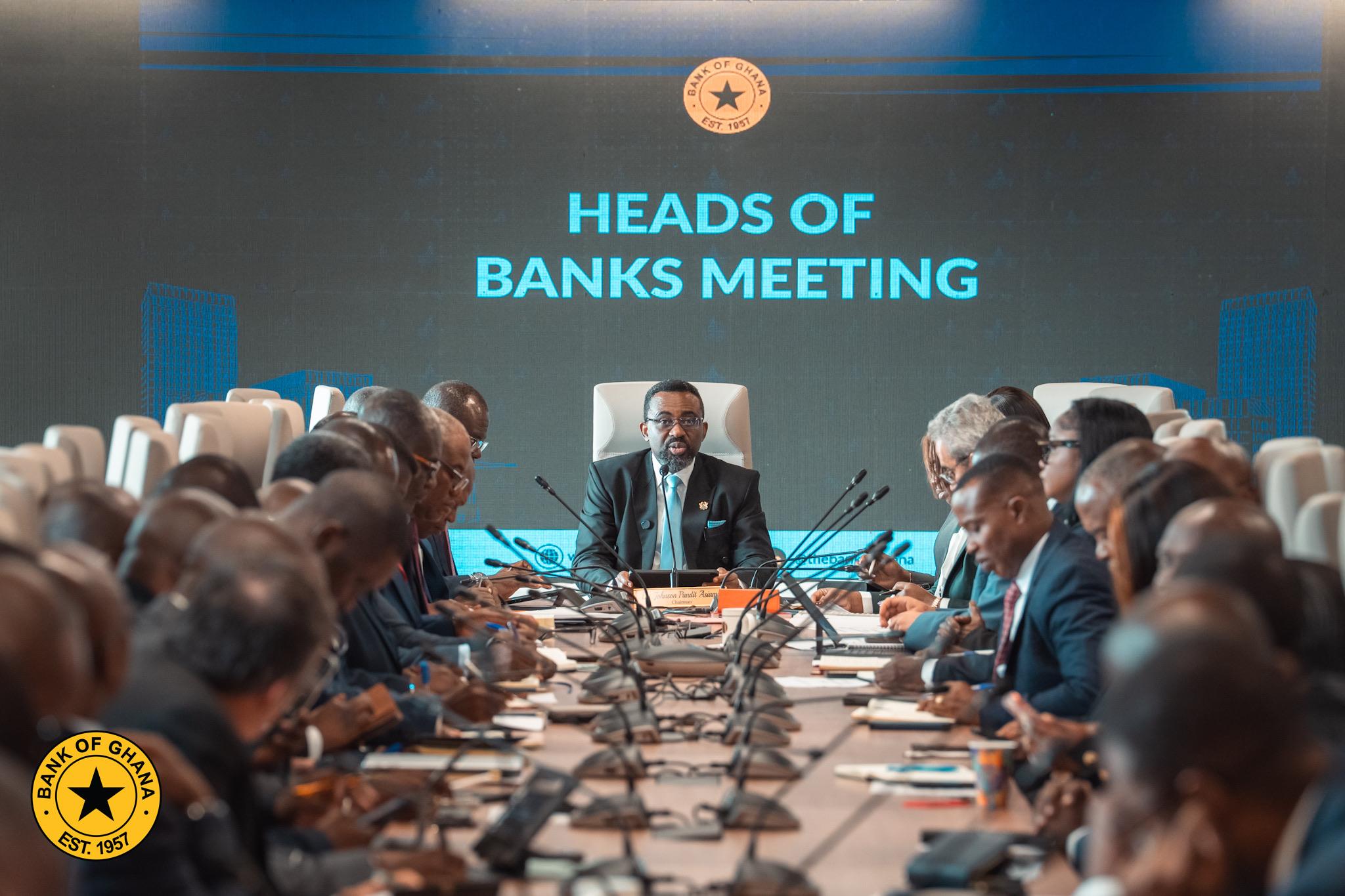
Bank of Ghana Governor Dr Johnson Pandit Asiama says Ghana’s economy continues to show “remarkable resilience” with inflation firmly under control at 3.7%, as the Monetary Policy Committee keeps the policy rate unchanged at 14.0% amid global uncertainty.
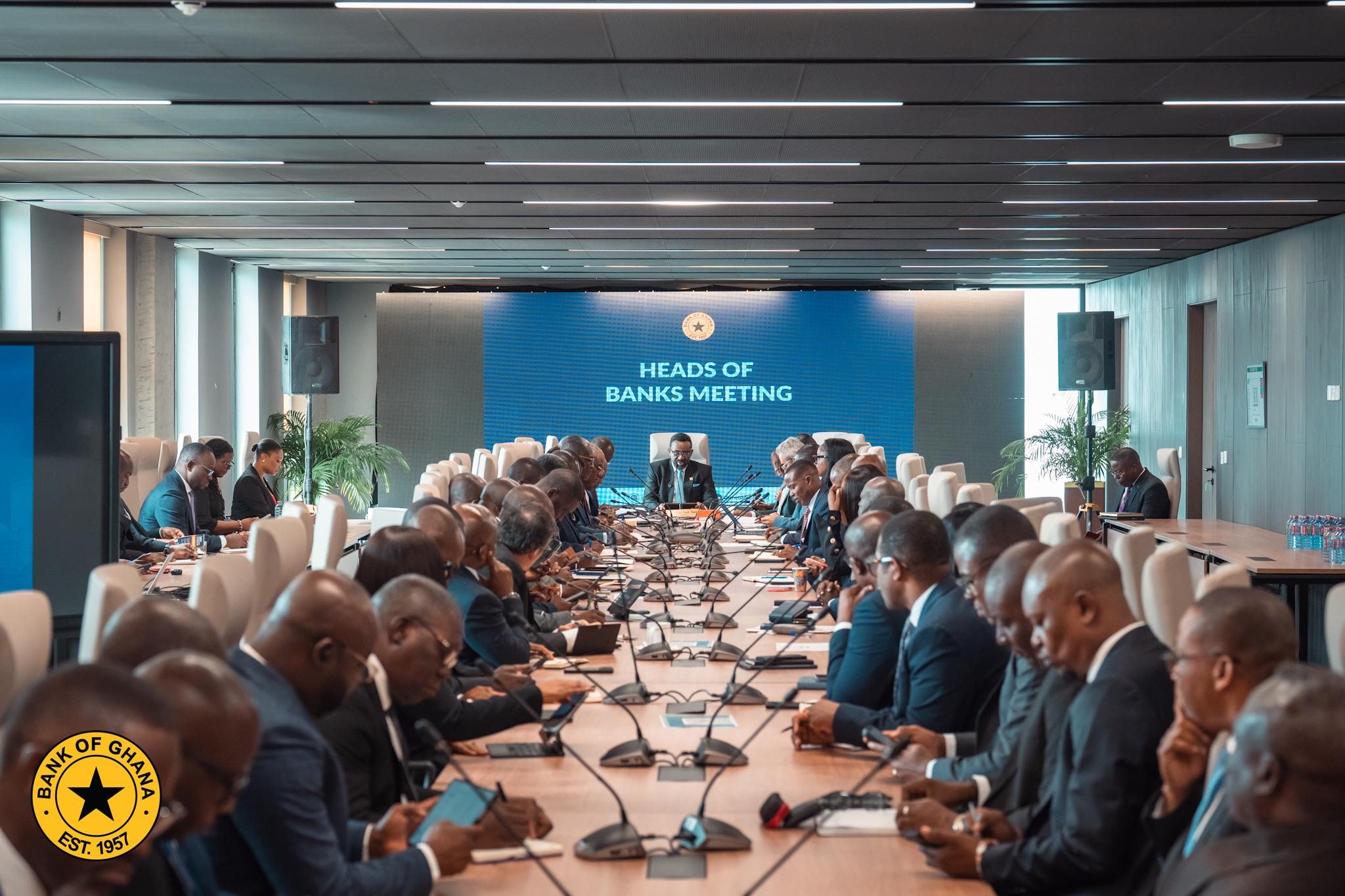
Addressing Heads of Banks at the Post-130th MPC engagement in Accra on Tuesday, Dr Asiama said the MPC assessed that risks to inflation and growth were “broadly balanced” and decided to maintain the rate to preserve macro stability while supporting private sector credit and investment.
According to him, the Headline inflation edged up to 3.4% in April and 3.7% in May 2026 from 3.2% in March. This marks the first consecutive increases since December 2024, but core inflation continued to decline, confirming underlying pressures remain subdued with the Composite Index of Economic Activity expanded 12.6% in March 2026 vs 2.3% a year earlier, driven by robust private sector credit, industrial activity, consumption and trade.
On the issue of the External sector, the Governor said, Current Account surplus strengthened to US$3.1 billion in Q1 2026 on strong gold and cocoa exports plus stable remittances. Gross International Reserves rose to US$14.4 billion, giving 5.7 months import cover and the Country posted a fiscal surplus of 0.1% of GDP in Q1 2026, exceeding programme expectations, supported by expenditure containment.
The Banking sector recorded a total assets up 26.6% to GH¢493.9 billion. Capital Adequacy Ratio improved to 22.3% from 17.5%, and NPL ratio dropped to 18.0% from 23.6%.

The MPC also replaced the dynamic Cash Reserve Ratio with a uniform 20% CRR, to be held entirely in domestic currency, effective 4 June 2026. BoG says the move will improve liquidity forecasting and strengthen monetary policy transmission.
Dr Asiama noted risks persist from prolonged geopolitical tensions, urging banks to tackle fraudulent land titles and third-party collateral fraud, which he said weakens loan recoveries and public confidence. He also called for converting remittance inflows into productive investments to deepen financial markets.

“The challenge before us is not merely to preserve stability, but to transform stability into prosperity,” he told the bank CEOs.