







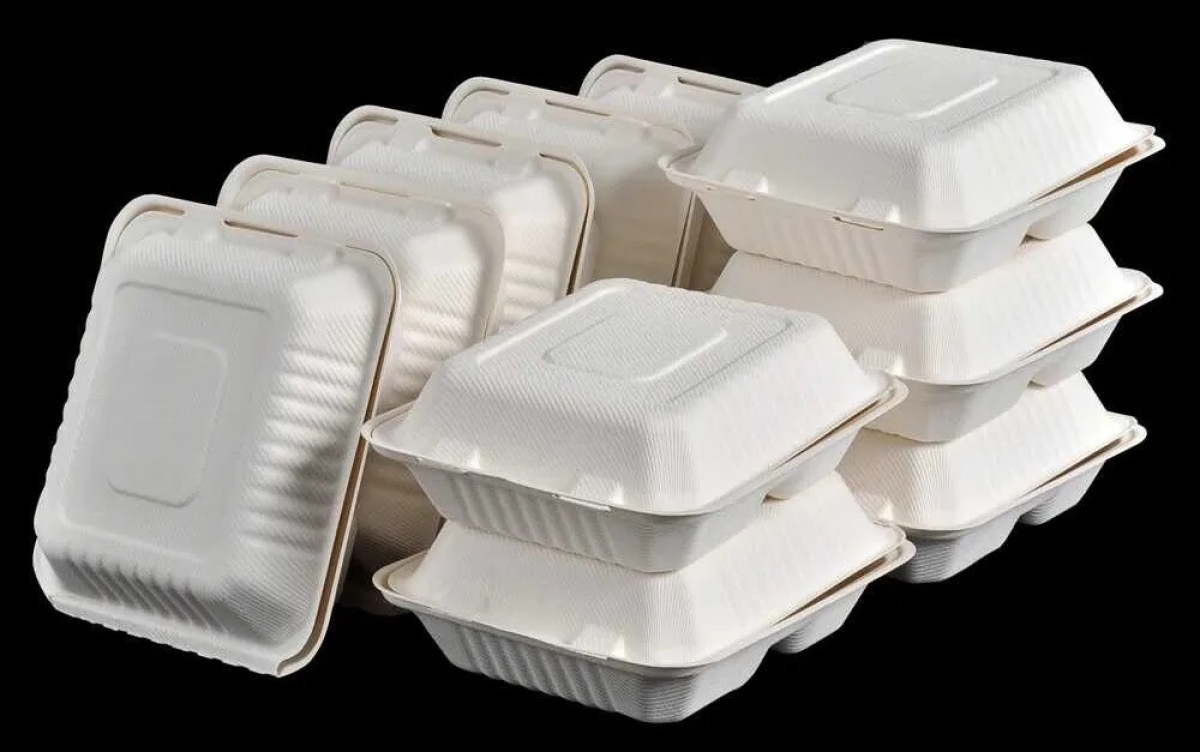
The Ghana Plastic Manufacturers’ Association (GPMA) has voiced strong concerns over the government’s plan to ban polystyrene foam products, effective January 1, 2027. While the association in principle supports environmental initiatives aimed at improving sanitation and reducing plastic waste, they are calling for an extension of the transition period and financial support to safeguard their investments and jobs.
In a statement addressed to the Chief Executive Officer of the Environmental Protection Authority (EPA), GPMA President Ebbo Botwe highlighted the significant challenges the industry faces due to the abrupt announcement. The association is requesting a realistic transition period of at least 18 months and a financial bailout to cover the estimated GHS1.493 billion invested in machinery and plant infrastructure.
According to them, the plastic industry in Ghana is a vital economic sector, comprising over 171 factories nationwide. It employs more than 41,395 direct workers and supports approximately 1.89 million jobs in plastic waste recycling, with an additional 1.43 million jobs linked to the sachet, bottled water, and beverage sectors. Suggesting that overall, the industry is responsible for around 3.71 million jobs, making it a significant contributor to Ghana’s economy.
Ebbo Botwe said, “the sector also ranks fifth among Ghana’s top ten exports, after gold, crude oil, cocoa, and cashew, with a large portion of exports—about 57 percent—going to ECOWAS countries like Togo, Nigeria, and Ivory Coast. The association warns that an immediate ban could lead to massive job losses and economic disruptions, both domestically and regionally”.
Concerns Over Investments and Financial Stability

One of the primary concerns is the impact on capital investments. Many companies have recently purchased GPPS/PS machinery, with a typical return on investment period of up to 10 years. Enforcing the ban in January 2027 would render these machines obsolete, resulting in significant financial losses, loan defaults, and potential capital flight to neighboring countries with more lenient policies.
Manufacturers have also expressed fears that the sudden transition could cause a financial crisis, as banks are already worried about loan repayments if machinery becomes scrap. The industry calls for the government to reimburse the capital costs of their plants, emphasizing that their investments were made under existing regulatory frameworks.
The statement said, the raw materials used in styrofoam production are also utilized in other manufacturing processes, such as the production of BIC pens. Banning the importation of polystyrene raw materials without considering their other uses could cause severe operational disruptions and financial losses.
Manufacturers further explained that their machines are designed specifically for styrofoam products and cannot be retooled for alternative plastics or bioplastics. The current import and procurement system involves a ‘4-lot’ quarterly system, meaning it takes a year to complete a cycle, making sudden policy changes particularly disruptive.
Call for Fair Transition and Support
While supporting environmental goals, GPMA insists that the transition must be fair and financially feasible. They propose that the government support companies through a bailout or compensation scheme to recover their investments. They also urge the EPA to reconsider the enforcement timeline, advocating for at least an 18-month transition period to allow companies to adjust and avoid catastrophic economic and employment consequences.