







A Deputy Greater Accra Regional Secretary hopeful of the NDC, Lawrence Lamptey, has called on Minority Leader Osahene Alexander Afenyo-Markin to broaden the definition of “social intervention” beyond cash transfers and welfare programmes.
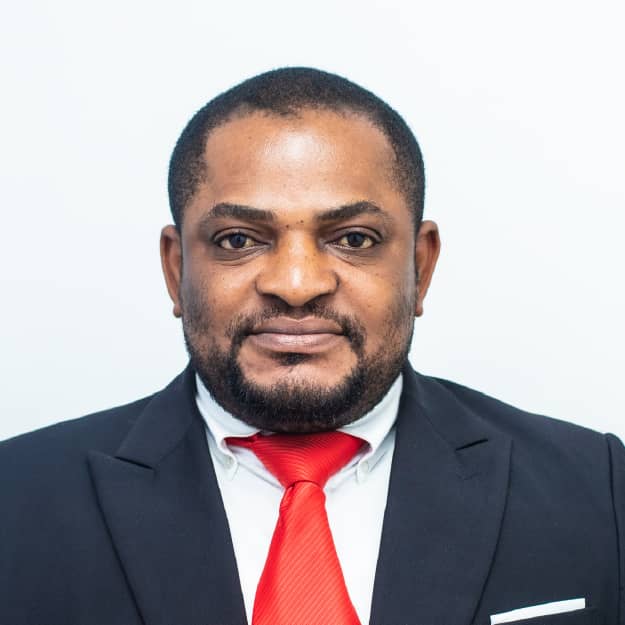
In a press release dated June 27, Mr. Lamptey said social interventions cover every deliberate government policy aimed at improving welfare, security, economic opportunities and quality of life.
According to Lamptey, the biggest social intervention under President John Dramani Mahama has been restoring public confidence after years of economic hardship.
He pointed to the previous administration’s record inflation, cedi depreciation, high lending rates, unemployment and business closures as context for the 2024 vote for change.
The statement outlined several Mahama administration actions it described as social interventions including Macroeconomic stability: Cedi stability, declining inflation, renewed investor confidence and improved business sentiment.
Completing projects: Ongoing and abandoned infrastructure across roads, education and health, regardless of which government started them.
Anti-corruption drive: The “Operation Recover All Loot, ORAL” initiative to recover state assets and protect public resources.
Tax relief: Removal of the E-Levy, betting tax and other levies described as “nuisance taxes” to ease pressure on households and businesses as well as
Fiscal prudence: A leaner government with fewer ministerial appointments to redirect savings to infrastructure, education, healthcare and industry.
Below is the full statement:
PRESS RELEASE
27/06/2026
*AFENYO-MARKIN MUST BE SCHOOLED ON SOCIAL INTERVENTIONS*

The Minority Leader, Alexander Afenyo-Markin, appears to have a very narrow understanding of what constitutes a social intervention. Social interventions are not limited to cash transfers or welfare programmes; they include every deliberate government policy aimed at improving the welfare, security, economic opportunities and quality of life of citizens.
The greatest social intervention undertaken by the government of President John Dramani Mahama began with restoring hope to Ghanaians. After years of economic hardship, allegations of corruption, concerns over state capture, politicisation of public institutions, land grabbing, excessive political appointments, and governance challenges under the previous administration, Ghanaians overwhelmingly voted for change and entrusted the National Democratic Congress (NDC) with the responsibility of rebuilding the nation.
The previous administration presided over one of the most difficult economic periods in Ghana’s recent history, characterised by record inflation, rapid depreciation of the Ghana Cedi, high lending rates, rising unemployment, business closures and declining investor confidence. Many Ghanaian households struggled with the high cost of living, while businesses battled unprecedented economic uncertainty.
One of the most significant interventions of the Mahama administration has been restoring macroeconomic stability. The relative stability of the Ghana Cedi, declining inflation, renewed investor confidence and improved business sentiment have begun restoring confidence in the economy. Businesses can plan with greater certainty, consumers have become more optimistic, and the fear of relentless price increases has gradually eased.
Equally important is the government’s decision to complete abandoned and ongoing infrastructure projects across the country, irrespective of which administration initiated them. This demonstrates a commitment to national development over partisan politics. Key road projects, educational infrastructure, health facilities and other public investments are receiving renewed attention to ensure value for taxpayers’ money.
The government’s anti-corruption drive through the “Operation Recover All Loot (ORAL)” initiative is another important social intervention. Recovering state assets, reclaiming public lands and ensuring accountability for the misuse of public resources help protect national wealth for future generations while strengthening public confidence in state institutions.
The removal of what many Ghanaians considered nuisance taxes—including the Electronic Transfer Levy (E-Levy), the betting tax and other burdensome levies—has provided relief to households and businesses. These measures have increased disposable income and reduced the cost of doing business.
Another major intervention has been the deliberate reduction in the size of government. By appointing fewer ministers and reducing the cost of political administration, the government has demonstrated its commitment to prudent fiscal management. Savings from these measures can be redirected towards infrastructure, education, healthcare and industrial development.
The renewed attention being given to strategic state-owned enterprises, including GIHOC Distilleries, Tema Oil Refinery, the Ghana National Petroleum Corporation and other national assets, reflects government’s commitment to preserving strategic institutions and promoting industrial growth, job creation and economic self-reliance.
Ghana’s renewed diplomatic engagements and improved international standing have also strengthened investor confidence and enhanced the country’s image globally, creating opportunities for trade, investment and development cooperation.
Beyond these broad reforms are several direct social interventions that continue to impact ordinary Ghanaians. These include the distribution of free sanitary pads to schoolgirls, the “No Fees Stress” initiative for first-year tertiary students, the Mahama Cares Fund to support patients with life-threatening diseases, the rollout of 24-hour markets to stimulate local commerce, improvements in governance and accountability, and several youth employment and social protection initiatives.
Taken together, these policies demonstrate that social intervention is not merely about handing out benefits; it is about creating an environment where citizens can live with dignity, businesses can thrive, public resources are protected and the economy works for everyone.
It is therefore unfortunate that the Minority Leader continues to reduce national policy discussions to partisan rhetoric. As a senior parliamentarian, Mr. Afenyo-Markin is expected to elevate public discourse through constructive criticism supported by evidence rather than statements that overlook the broader impact of government policy. Ghana deserves a more informed and responsible national conversation.
Signed
……………………………………
LAWRENCE LAMPTEY
(The Strategic Scientific Socialist)
Deputy Greater Accra Regional Secretary Hopeful