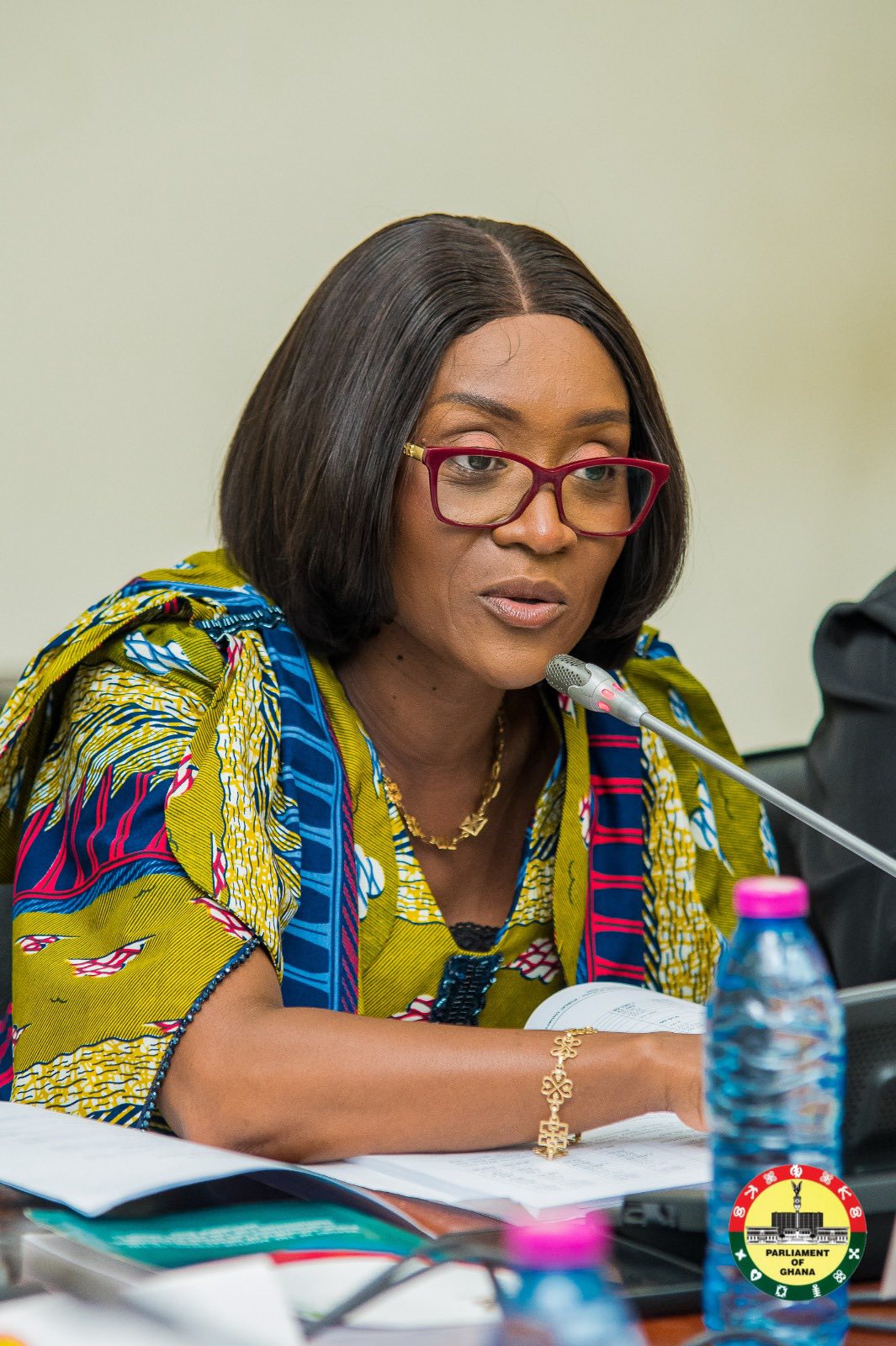







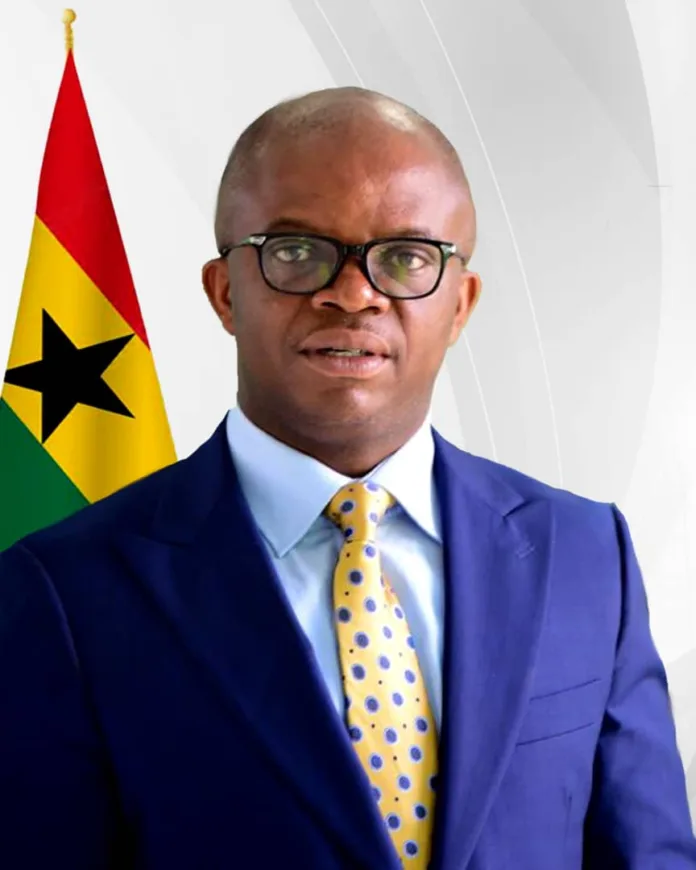
Former Deputy Minister of Finance and Member of Parliament for Nhyiaeso, Dr. Stephen Amoah, has emphasized the urgent need for Ghana to shift from its current free-market economic system to a mixed market economy.
Dr. Amoah explained the distinctions among controlled, free, and mixed market economies, criticizing Ghana’s existing purely free-market system for fostering monopolies, oligopolies, and cartels—practices that artificially inflate prices and deepen economic hardship for ordinary citizens. The issues he stressed have led to soaring costs of essential goods, adversely affecting health, nutrition, and overall well-being.
Making a statement on the floor of Parliament on July 21, 2026, he highlighted decades of high living costs, low standards of living, and economic anomalies driven by unregulated market practices.
He proposed adopting a mixed economy model, similar to those successfully implemented in the United Kingdom, United States, and Germany.
According to him, such a system combines government regulation with market forces to promote equitable access to resources, curb profiteering, and stabilize prices. Dr. Amoah called for measures such as implementing price caps to combat exploitative practices and urged parliamentary committees to explore legislative or policy options to facilitate this vital transition.
Furthermore, he emphasized the importance of targeted monetary policies, fiscal strategies, and interventions to manage exchange rate volatility—key steps toward fostering sustainable economic growth and improving living standards across Ghana.
Below are ecpts from the statement:
Mr. Speaker, there are three categories of market economy. These are controlled market economy, free market economy, and mixed market economy. I would like to throw light on each of them. In a controlled market economy, product availability, distribution and pricing are at the discretion of the government.
Basically, absolute controlled market economy has become an obsolete economic policy especially among the first class developed and democratic economies. It opposes free market economies and restricts private sector integration in such financial economic transactions.
Mr. Speaker, opposite to the controlled market economy is the free market economy, here, production of goods and services are determined dynamically by the market forces, that is supply and demand without any State intervention.
Prices are determined by the private actors in the ecosystem, precisely between sellers or producers and buyers or final consumers. Pricing mechanisms as well as means of production, resources and supply chains are exclusively owned and controlled by the private sector.
The fundamental role of the State is almost completely restricted. Its good side includes entrenchment of the individuals’ right to determine and own property which in itself, is good. However, there are so many setbacks associated with it.

An ecosystem such as ours in which business actors are predominantly profiteering just like others on the globe, an absolute free market economy will do us more economic harm than good. This is profoundly manifested in situations such as monopoly, oligopoly and cartel.
Monopoly is where only one person or one corporation remains the main source of supply of a particular product. This can really have an adverse impact on the economy of Ghana especially when such products are regularly and highly in demand.