







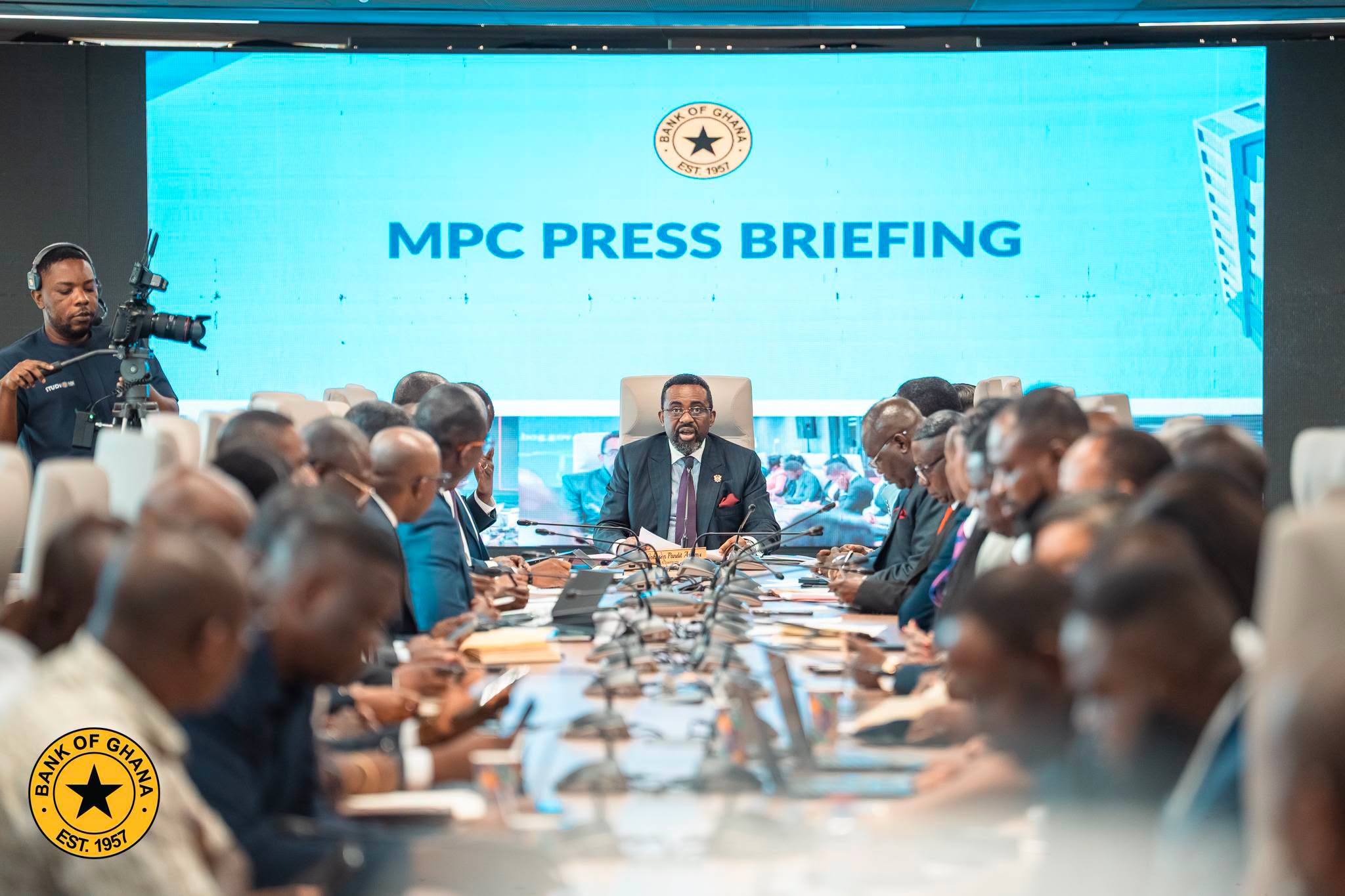
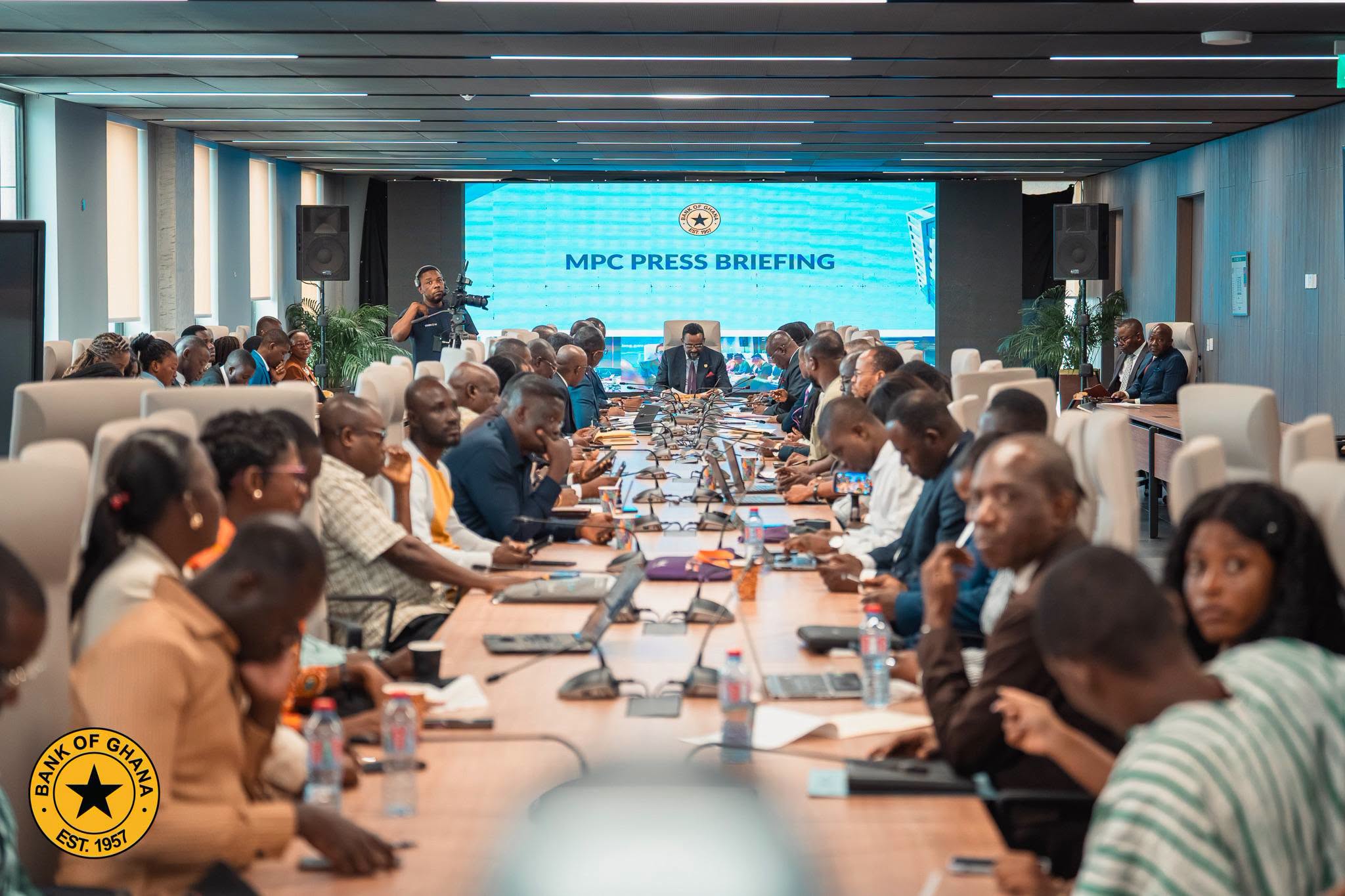
The Bank of Ghana’s Monetary Policy Committee (MPC) has decided to keep the Monetary Policy Rate (MPR) steady at 14.0 percent, citing the need to balance inflation control with supportive measures for economic growth. The decision was made unanimously, reflecting the Committee’s assessment that the current policy stance remains appropriate given the evolving global and domestic economic landscape.
Global Developments and External Risks

Addressing the media on July 22 2026 to reveal the outcome of the 131st regular meetings of the Monetary Policy Committee (MPC) from 20 to 22 July 2026 to review recent economic developments and assess risks to the outlook for inflation and economic growth, the Governor ,Dr. Johnson Pandit Asiama highlighted ongoing geopolitical tensions, particularly the renewed conflict in the Middle East, which has disrupted trade routes and increased volatility in energy markets. These developments pose risks of disrupting global supply chains and dampening international growth prospects. The rise in energy prices has stalled disinflation trends in many countries, prompting central banks worldwide to pause their easing cycles amidst emerging inflationary pressures. While global financing conditions remain accommodative, the external shocks could tighten financial conditions, adversely affecting emerging markets and developing economies through trade and financial channels.
Robust Domestic Growth and Economic Outlook
According to him, the Ghanaian economy has shown resilience, with strong GDP growth in the first quarter and positive indicators from the Confidence Index and Expectations Analysis (CIEA). Increased business and consumer confidence, alongside easing credit conditions and a surge in private sector credit growth, are expected to bolster economic activity in the coming months. Furthermore, improvements in the trade balance and adequate foreign reserve buffers provide the economy with buffers to withstand external shocks.

Inflation Trends and Future Outlook
dr. Asiama notes that the recent inflation data suggest that inflation is edging closer to the lower bound of the medium-term target band, mainly influenced by base effects. While inflation expectations and core inflation measures have increased, they remain within the target range. The July inflation forecast remains largely unchanged, with a gradual rise toward the target band anticipated. However, upside risks persist due to potential increases in utility tariffs and escalating geopolitical tensions that could drive up crude oil prices. On the downside, continued fiscal consolidation and the maintenance of a calibrated monetary policy stance are expected to mitigate these risks.
The Bank of Ghana remains cautiously optimistic about the country’s economic prospects, emphasizing the importance of monitoring global developments while supporting domestic growth through prudent monetary policy. The MPC will continue to assess incoming data and external factors to guide future policy decisions aimed at maintaining price stability and fostering sustainable economic growth.