








The NPP Minority in Parliament has indicated that it will decline to participate in the vetting of three nominees to the Supreme Court, citing what it describes as the NDC’s own precedent on public participation and adequate notice.
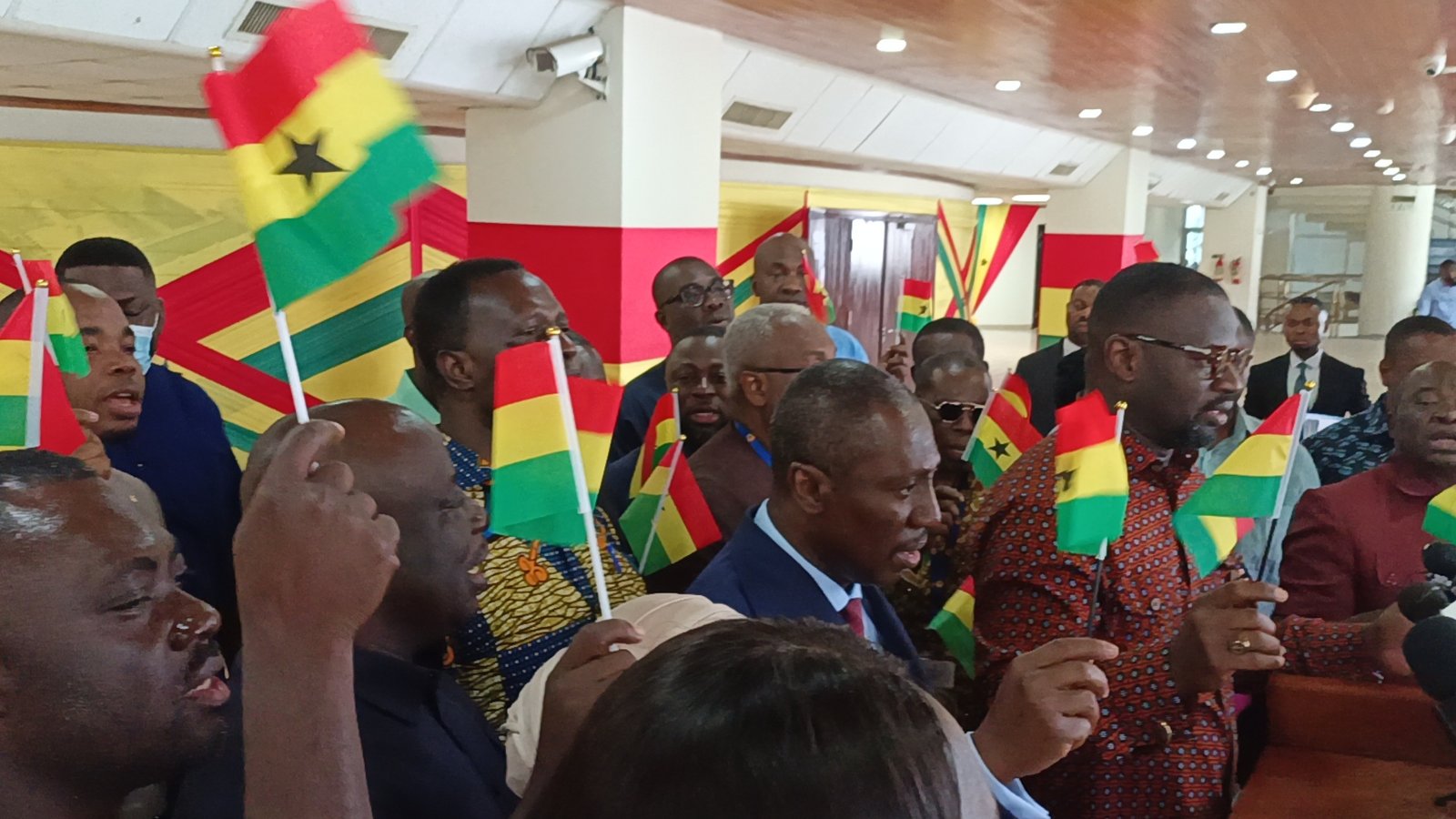
Addressing the media, the Minority said it was prepared to participate in the vetting of the two ministerial nominees—Mahama Ayariga, Member of Parliament for Bawku Central, nominated for Local Government, Chieftaincy and Religious Affairs, and Dr Zanetor Agyeman-Rawlings, MP for Korle Klottey, nominated for Environment, Science and Technology.
However, it rejected the Majority’s attempt to have the three Supreme Court nominees vetted, reported on and approved before the end of the ongoing parliamentary recall on Friday.
The Minority argued that the proposed three-day process would deny Ghanaians adequate opportunity to participate by submitting memoranda on the nominees.
It cited Order 217(10) of Parliament’s Standing Orders, which requires the publication of nominees’ names to allow the public to submit memoranda, as well as other provisions governing the composition and work of the Appointment Committee.
According to the Minority, the position is consistent with the stance taken by the NDC in 2024 when the then government nominated two persons to the Supreme Court.
It said the then NDC Minority, led by Dr Cassiel Ato Forson, together with Kwame Agbodza and the current Majority Leader, Mahama Ayariga, opposed the immediate vetting of the nominees on the grounds that the public had not been given sufficient time to participate.
The Minority said the then Majority subsequently suspended the process to allow the required public notice period before the nominees were vetted.
It therefore questioned why the NDC, now in government, was seeking to complete the current process within three days.
The Minority stressed that it was not opposed to the President’s constitutional authority to nominate Supreme Court justices, but insisted that the process must be transparent, properly scrutinised and consistent with parliamentary rules.
It further argued that there was no emergency requiring the three nominees to be approved before Parliament rises, particularly because the Supreme Court remains operational during the judicial vacation when urgent matters arise.
The Minority warned that rushing the process could cast doubts over the legitimacy of the nominees and create a lasting perception that they were appointed for political convenience.

It also argued that deferring the vetting would not prevent Parliament from completing the process in September, with the nominees potentially being considered before the new legal year.
The Minority further questioned the urgency of the process, pointing to what it described as genuine national emergencies, including financial losses associated with GoldBod and the Bank of Ghana, as well as nationwide power outages.
It maintained that while it was ready to vet the two ministerial nominees promptly, it would not support what it described as the rushed vetting of the three Supreme Court nominees.
The Minority said allowing the public and Parliament adequate time to scrutinise the nominees was not an obstruction, but part of Parliament’s constitutional responsibility.
By Julius Blay