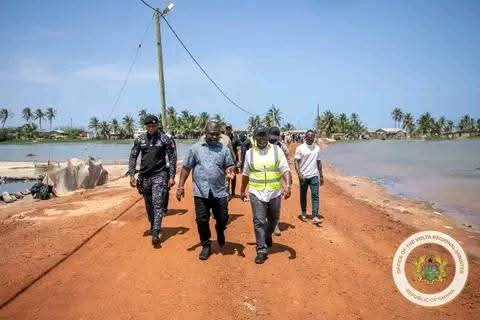

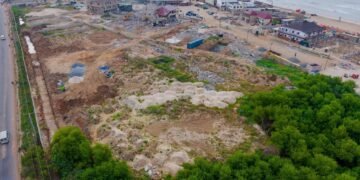




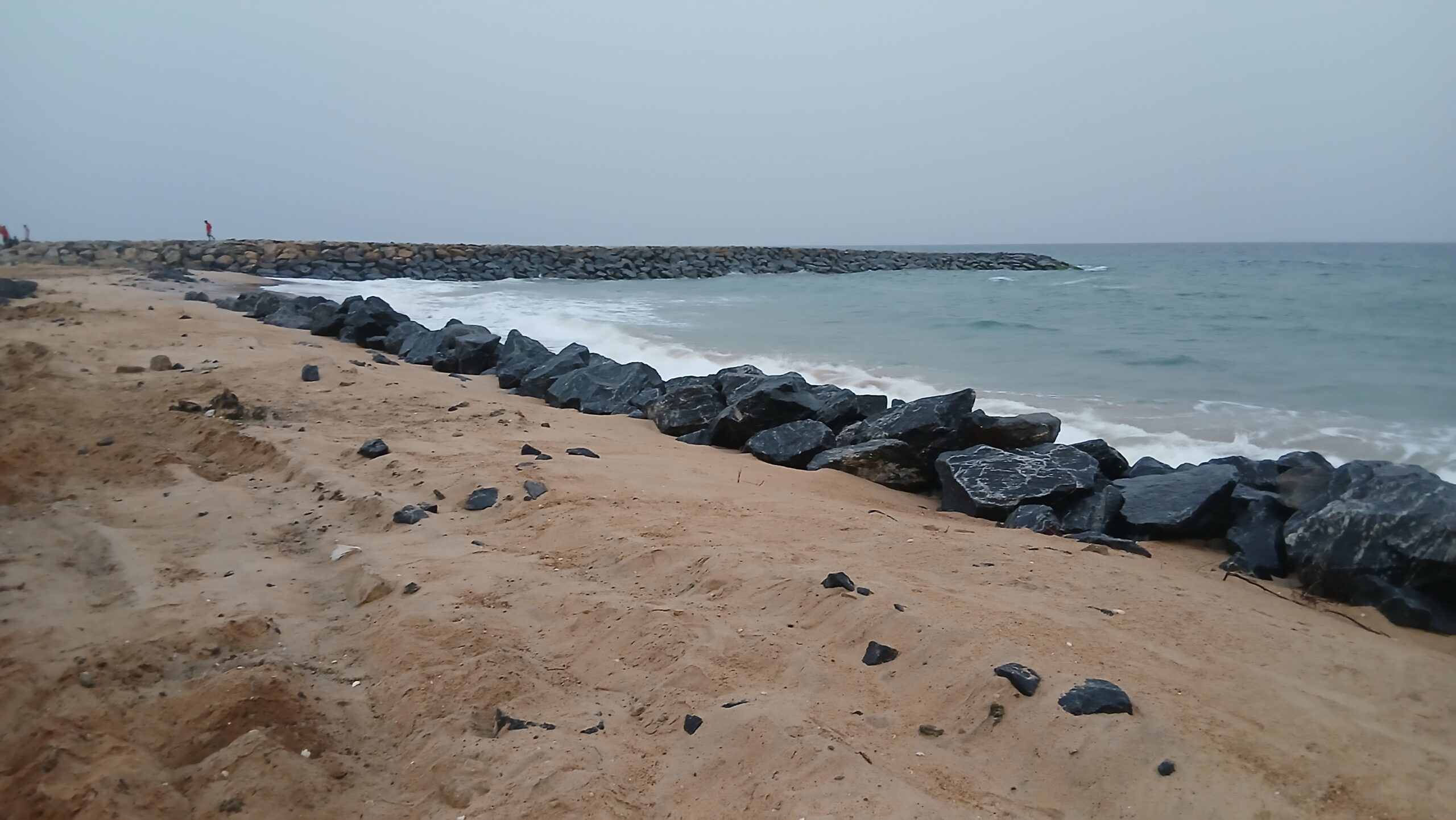
The sea defence project depicted in the photo is a crucial initiative that showcases the government’s effort to protect communities like Amutsi, Salakorpe, and Agavedzi from devastating sea erosion.
By constructing the rock revetment (the line of large black rocks seen in the image), the project aims to safeguard homes, livelihoods, and infrastructure in the Ketu South Municipality, ultimately benefiting thousands of Ghanaian families.
The John Dramani Mahama administration deserves recognition for launching this sea defence war, which demonstrates proactive governance in addressing climate-related challenges and protecting vulnerable coastal communities.
The project’s significance lies in its potential to:
1. Prevent further loss of land and property due to erosion.
2. Secure the safety and economic stability of residents in affected communities.
3. Promote sustainable development and resilience in the region.
The initiative reflects a commitment to mitigating environmental risks and improving the quality of life for Ghanaians in coastal areas, which is a noteworthy achievement of the Mahama administration.
After the sea defence project, some specific outcomes we can expect include:
Reduced erosion – the shoreline will be stabilized, preventing further loss of land and property in communities like Amutsi, Salakorpe, and Agavedzi.
Safer living conditions – homes and infrastructure will be protected from wave damage, making the area safer for residents.
Economic boost – fishing and local businesses can thrive again because the coastline is secured, supporting livelihoods in Ketu South Municipality.
Environmental protection – the ecosystem along the coast will be preserved, maintaining natural habitats and reducing environmental degradation.
The economic aspect is a big win for the communities involved.

With the sea defence project in place, local businesses like fishing, tourism, and small enterprises are likely to flourish. Here’s why:
Fishing industry boost- Fishermen can venture further into the sea without fear of erosion damaging their landing sites, increasing catches and income.
Property value increase: Protected homes and lands become more valuable, attracting investments and improving local economic activity.
Tourism potential-A stabilized coastline could attract more visitors, creating opportunities for local entrepreneurs (hotels, restaurants, etc.).
Job creation-The project itself creates jobs, and sustained economic activity supports livelihoods long-term.
For Ghana’s economy, this means more stability in coastal regions and contributions to national growth through taxes and industry outputs.
By Edzorna Francis Mensah