








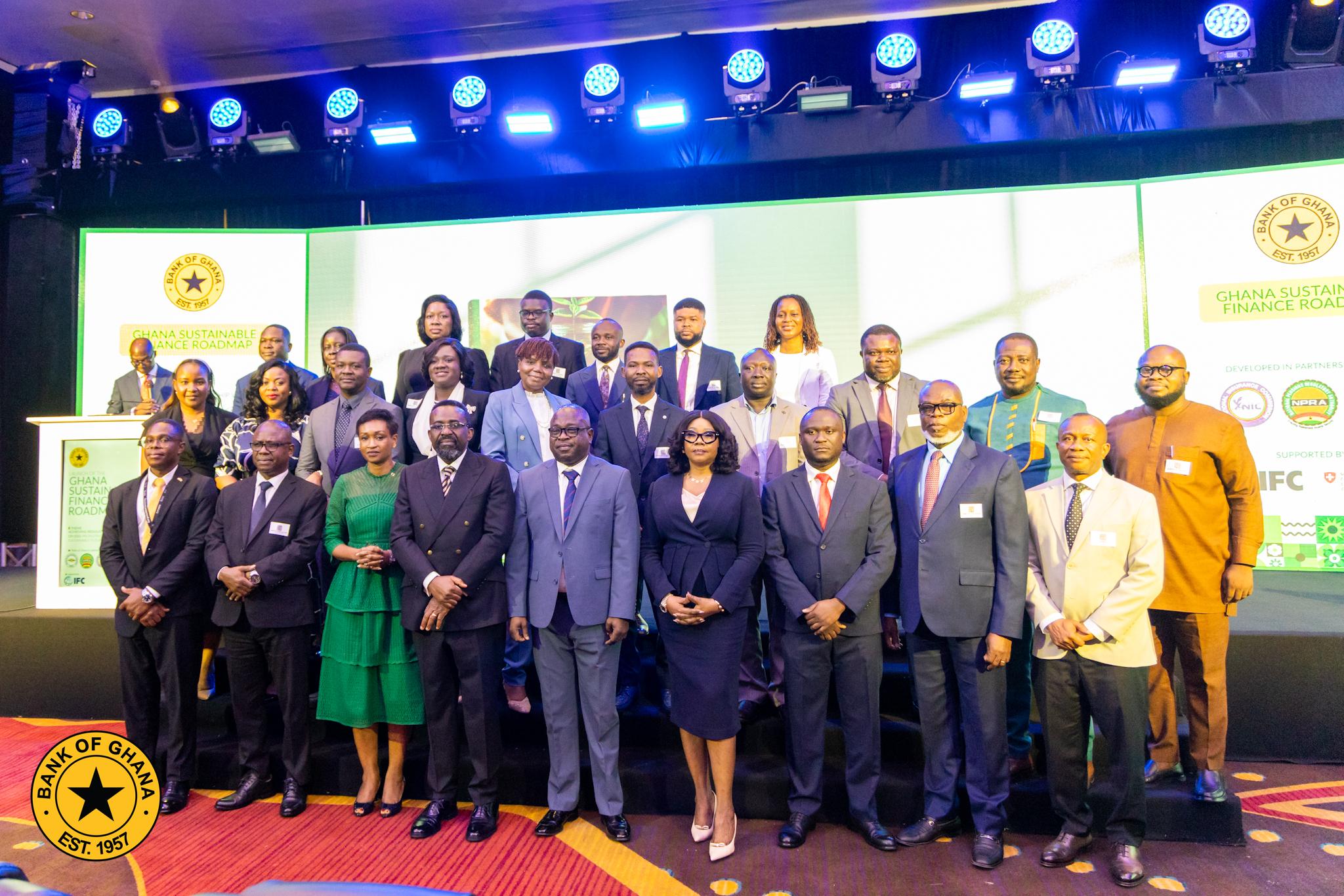
The Bank of Ghana, BoG, has launched a national Sustainable Finance Roadmap, positioning the country to tap global climate and ESG capital to fund growth.
Governor Dr. Johnson Pandit Asiama unveiled the framework at Kempinski Gold Coast Hotel on 30th June, 2026 calling it “a decisive step toward a more resilient and sustainable future” for Ghana’s economy.
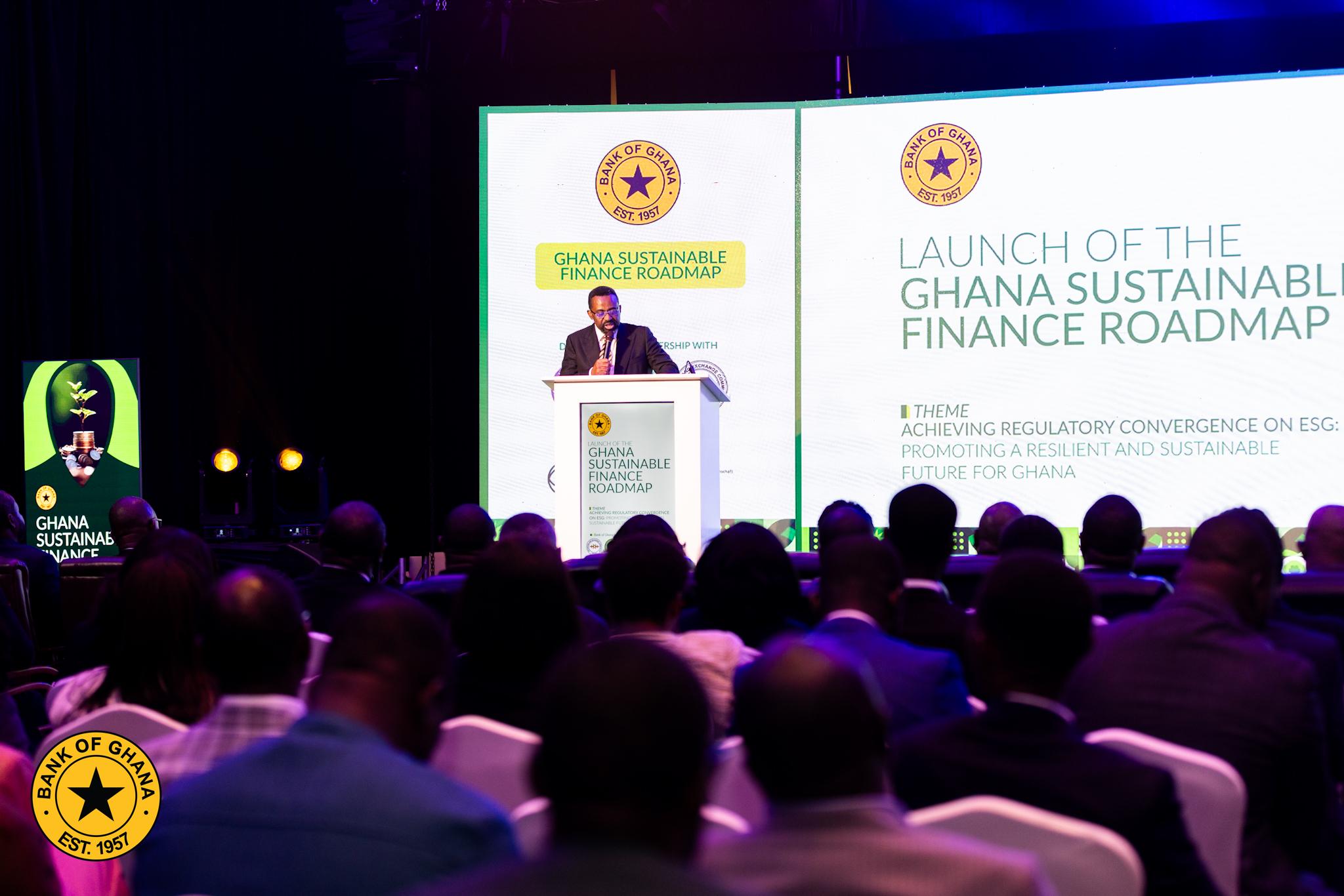
Dr. Asiama said sustainable finance is now “central to financial stability, to long-term investment, and to economic resilience”.
He noted that climate impacts like recent flooding are already transmitting risk into assets, insurance claims, and lending.
The roadmap consolidates a decade of work as in 2015- Sustainable Banking Principles launched with all 23 commercial banks endorsing them 2021- Standardised compliance framework introduced, hitting about 73% industry average by September 2025
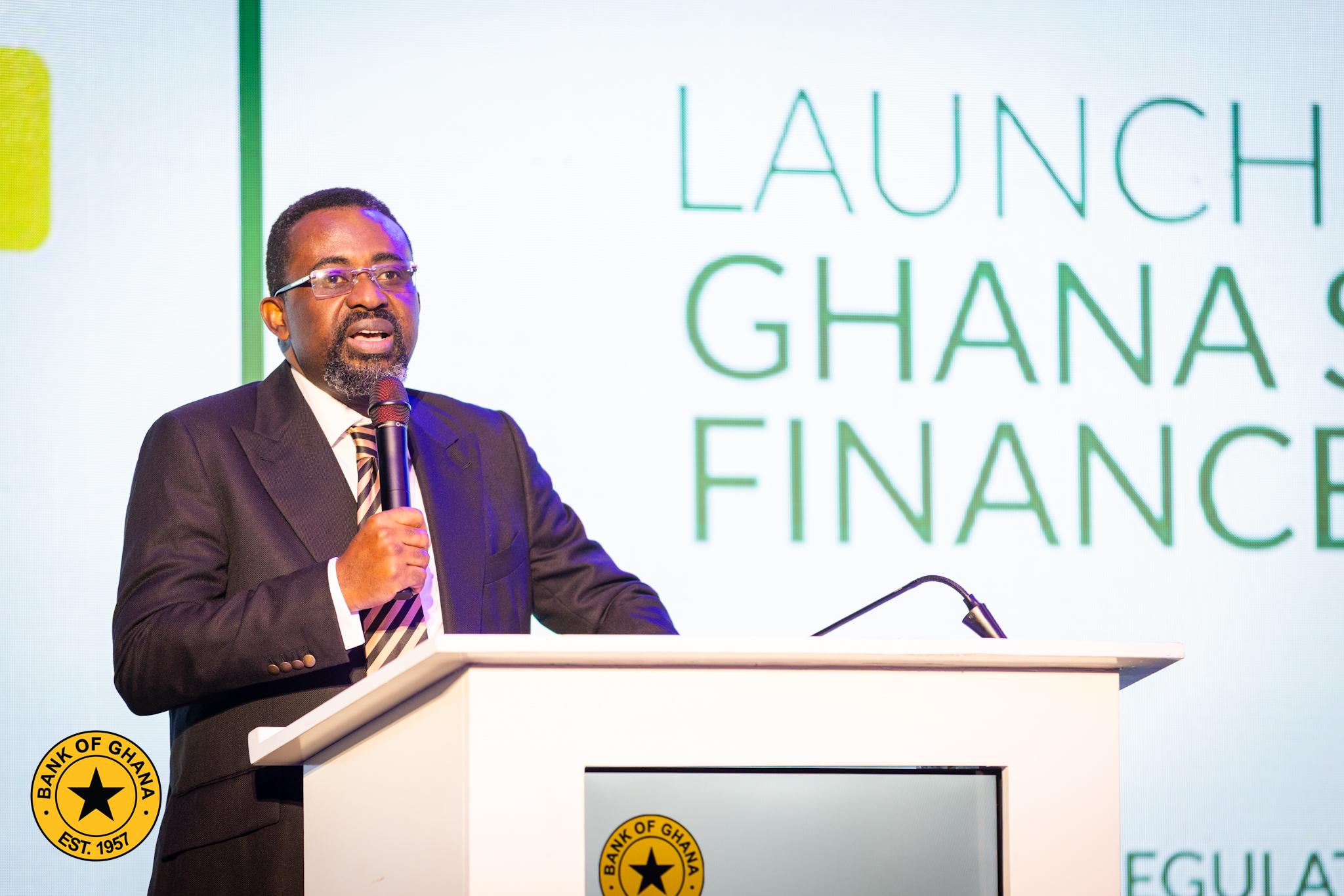
2024- Climate-Related Financial Risk Directive issued:
The new roadmap anchors regulators across banking, insurance, pensions and securities on 3 pillars: ESG Integration, Climate Risk Management, and Financing Sustainability.
BoG says the plan is designed to “unlock opportunities that drive long-term value creation for the economy”.
That includes mobilising private and blended finance, supporting the energy transition, and positioning Ghana …., “done well, this is not a cost we carry. It is a market we open,” Dr. Asiama stated, pointing to deeper access to climate finance and a more resilient banking system.
The roadmap was developed with the Ministry of Finance, NIC, NPRA, SEC, ICAG, CIB-Ghana, IFC, and the Swiss Secretariat for Economic Affairs.

Here’s the text separated and cleaned up:
According to him, sustainable finance is not only about managing risks.
It is also about positioning Ghana to access new pools of global capital, to finance critical infrastructure, to support the energy transition, to deepen our financial markets, and to strengthen long-term growth.
“Our purpose as regulators has always been the safety and soundness of the financial system. But soundness in this era means more than absorbing today’s shocks.
It means positioning Ghana’s financial sector as a leading destination for sustainable finance, attracting the domestic and international capital that a sustainable transition requires, capital that is increasingly looking for precisely the frameworks we are putting in place”.
Done well, this is not a cost we carry. It is a market we open: deeper access to climate and development finance, a more resilient banking system, and a credible claim to leadership in sustainable finance across our region.
In this way, “we do not merely regulate for stability; we actively shape a financial ecosystem that positions Ghana to fully leverage emerging opportunities within the global sustainable finance landscape”, he said.