




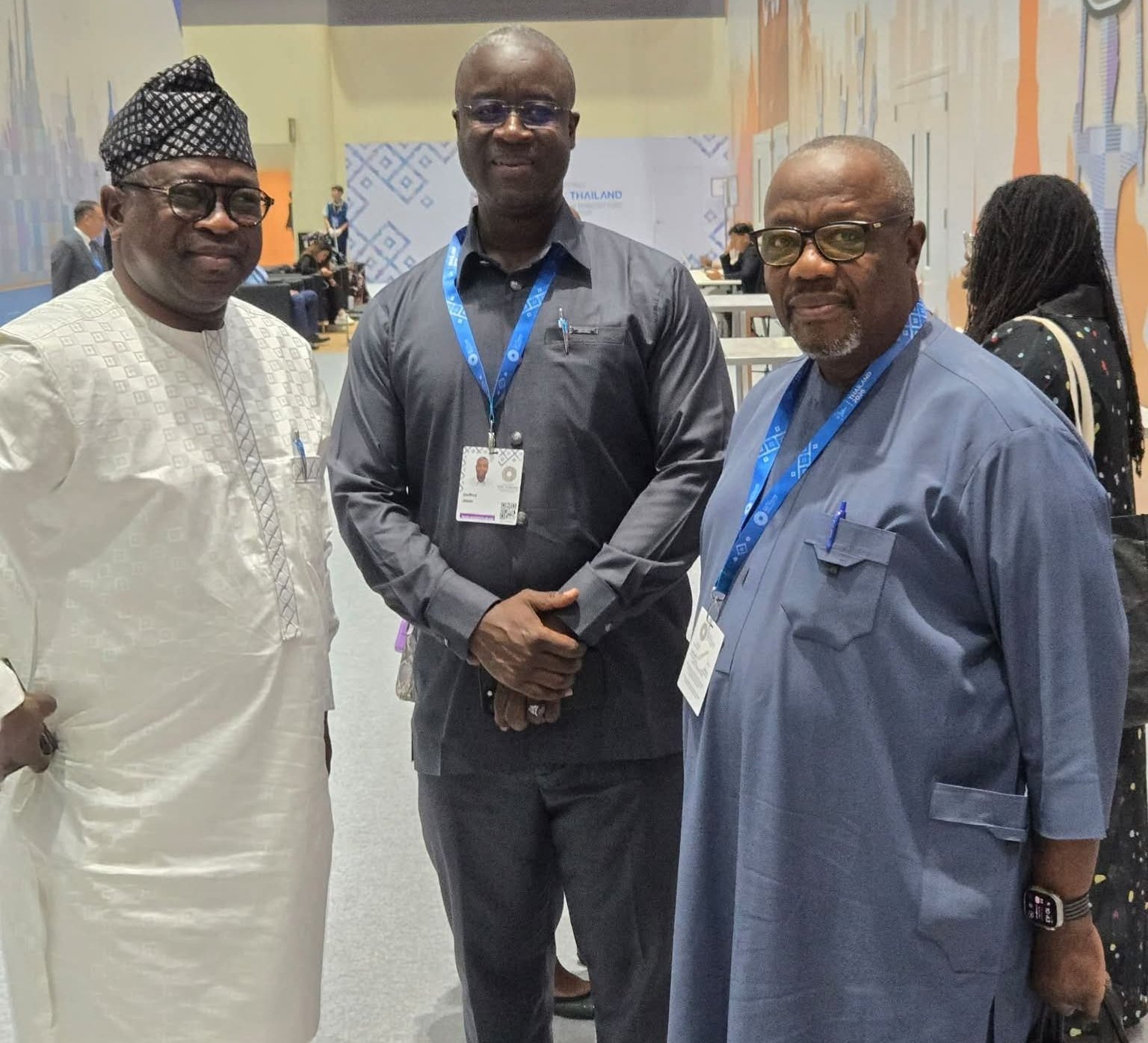
The Member of Parliament for Wa East, and Chairman of Food, Agriculture and Cocoa Affairs Committee Dr. Godfred Seidu Jasaw,
has said the success of climate finance should be measured by whether it arrives in time to meet the needs of farmers on the ground.
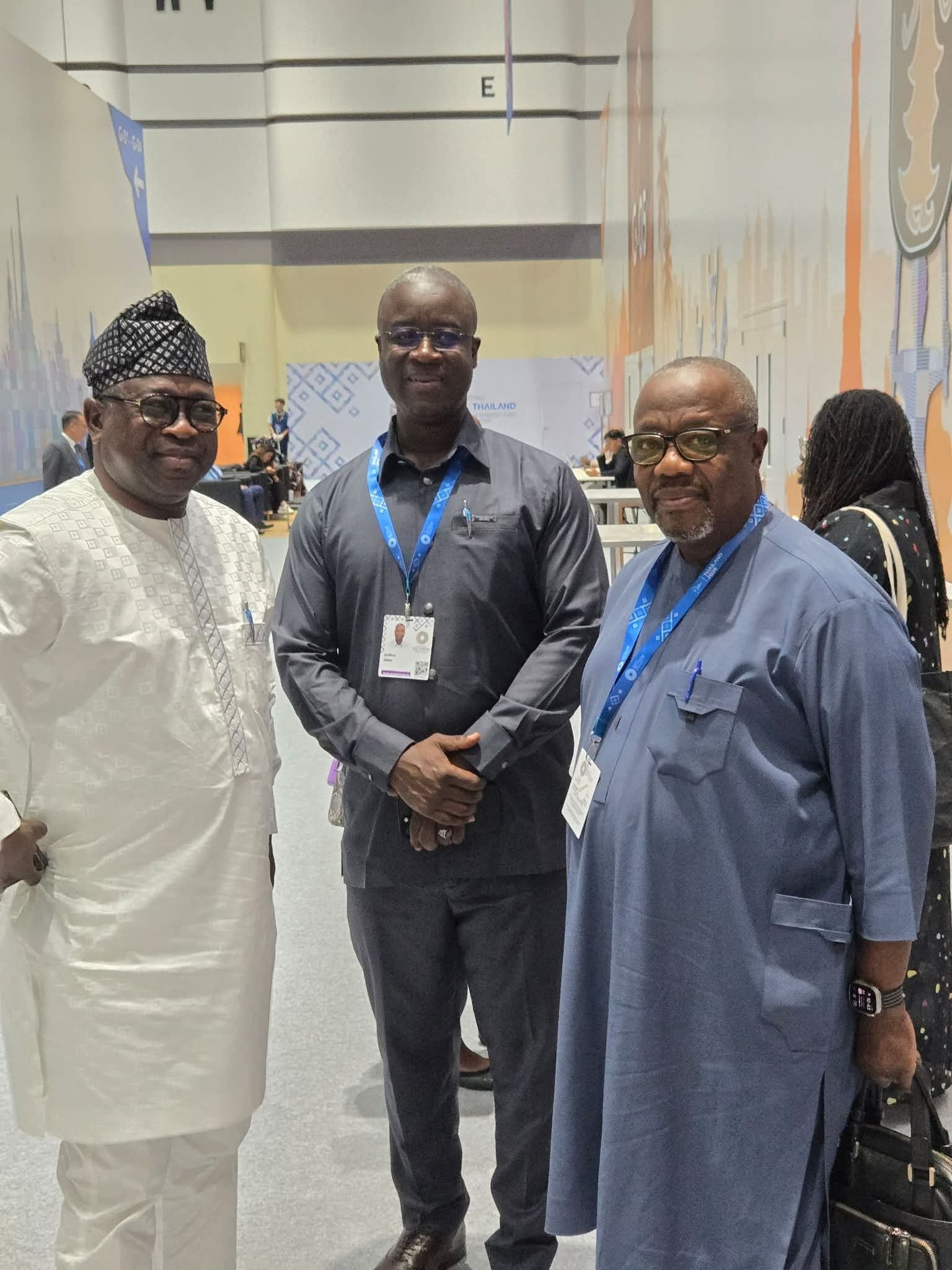
Dr. Jasaw questioned the definition of rapid financing in climate discussions, asking, “When we speak of rapid finance, rapid by whose clock? The institution processing it, or the farmer who has one planting season?”
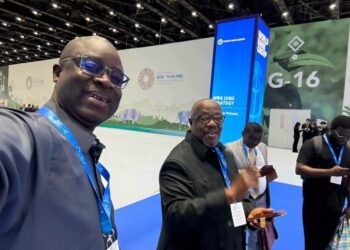
He was speaking at a side event organized by the Climate Vulnerable Forum (CVF-V20) on the sidelines of the ongoing IMF-World Bank Annual Meetings in Bangkok. The event was also attended by Ghana’s Minister responsible for Climate Change, Hon. Alhaji Baba Seidu Issahaku.
According to him, a delay that appears reasonable on a project timetable could cost a farmer an entire year of income in his village.

He said Parliament has a critical role to play in ensuring that international climate agreements are translated into national laws, budgets and institutions that work for vulnerable communities.
Citing recent oversight visits by the Parliamentary Select Committee, Dr. Jasaw said the Committee visited a Farmer Services Centre under construction in the Afram Plains and called for timely release of funds for its completion. He also raised concerns about the financing model for the Pwalugu Irrigation Project, stressing that long-term projects cannot depend on uncertain annual budget releases.
“The V2V Compact should become a benchmark. Does the financing match the life of the investment? Is it affordable and maintainable across budget cycles?” he queried.
He noted that Ghana’s Climate Prosperity Plan must be backed by a prioritized investment pipeline that shows where projects will be located and what constraints they will remove.
Dr. Jasaw argued that for farmers in his constituency, Wa East, irrigation without feeder roads still leaves farmers unable to access markets, while protecting shea trees without local processing leaves women doing the hardest work with little value.
He reiterated his call for the establishment of a National Agriculture Development Fund, with a legal mandate from Parliament to ensure that smallholders, women and youth are not excluded.
He further proposed that Parliament should require Finance and Agriculture authorities to conduct pre-season stress tests ahead of droughts to assess food production, import needs and foreign exchange pressures.
He called on the CVF-V20 to engage parliamentary committees early while proposals are being shaped and to bring financing options that reflect actual national investments.
“For my constituents, the test is straightforward. Does finance arrive within the season? Does the investment function after it is built? Does resilience create income where climate risk is being carried?” he added.