




Ghana’s Member of Parliament for Wa East, Hon. Dr Godfred Seidu Jasaw, says the true test of climate finance is not announcements, but commitment to completion with investments that go beyond budget cycles and deliver true impact in communities.
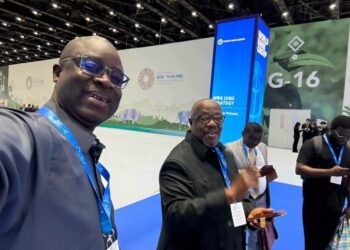
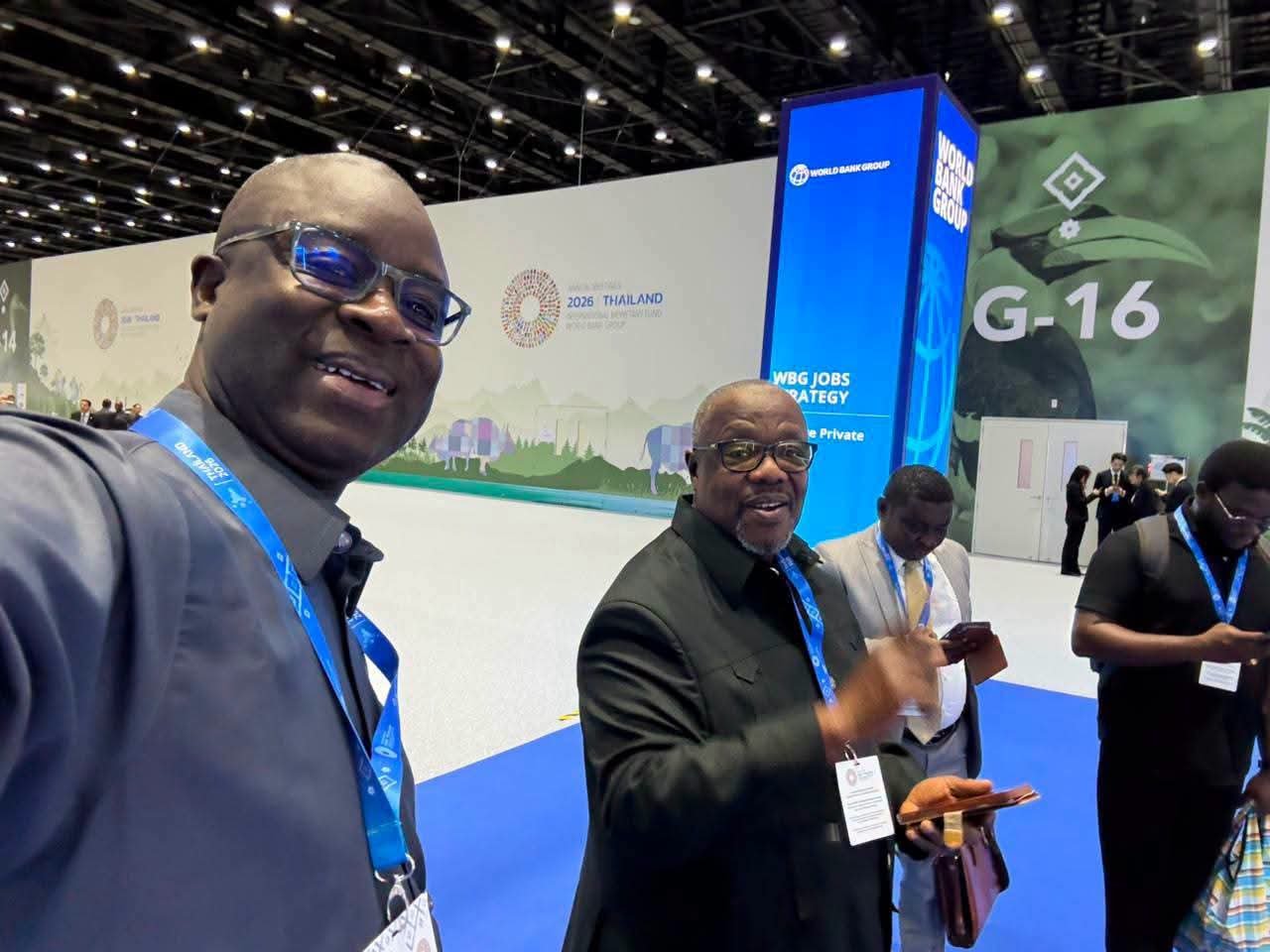
He made the call in Bangkok, Thailand, on 15th October 2026, while delivering a parliamentary intervention at the CVF-V20 high-level session on the theme “Parliamentary leadership for development and delivery in a multipolar world: from vulnerability to viability – enabling finance, resilience and climate prosperity” at the Queen Sirikit National Convention Center.
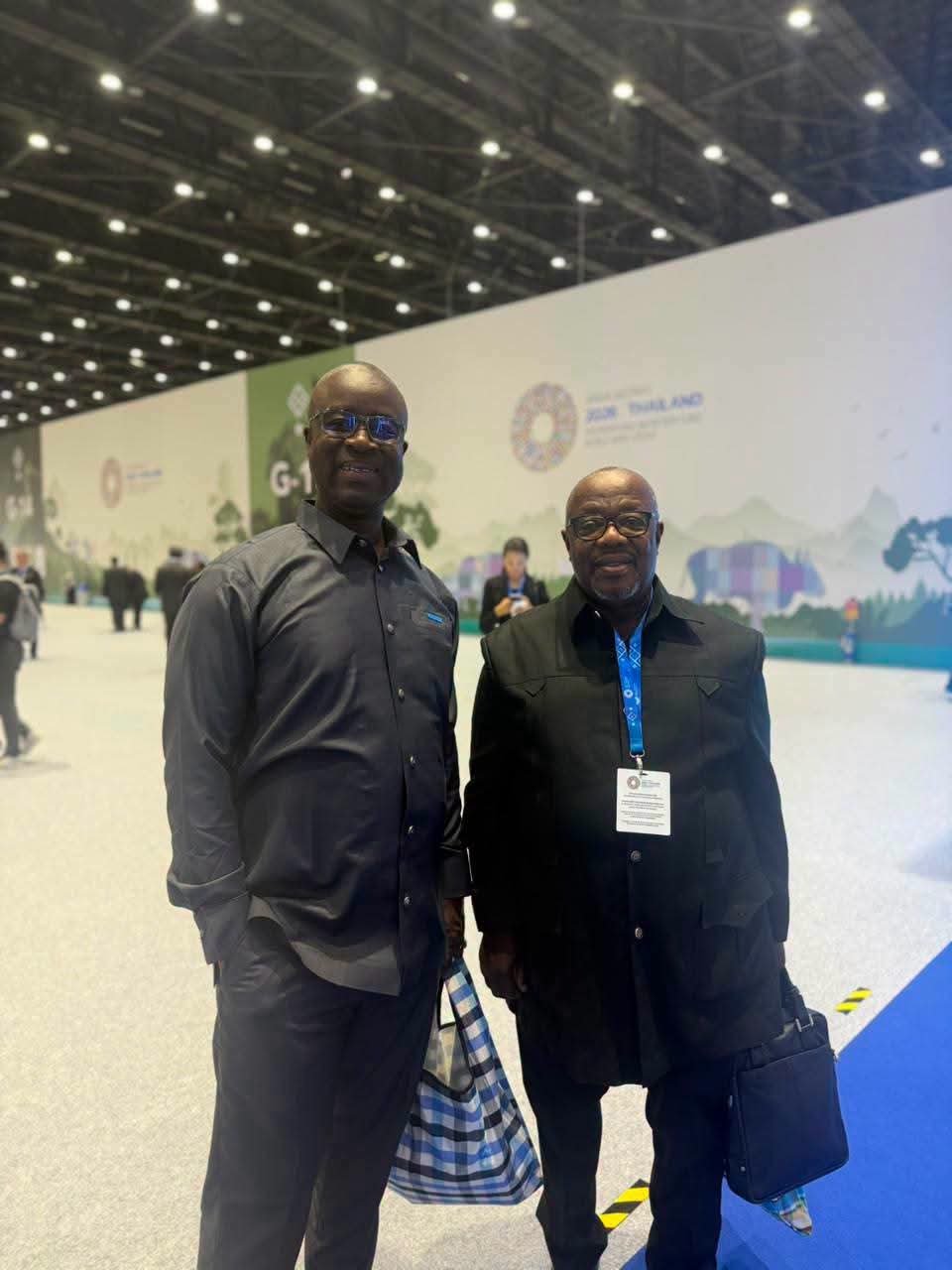
Dr Jasaw, who chairs the Food, Agriculture and Cocoa Affairs Committee of Parliament, said Ghana and other vulnerable nations must move from vulnerability to viability by ensuring that financing models carry government commitments through to completion.
Referencing the Pwalugu irrigation project and a Farmer Services Centre under construction in the Afram Plains, he said his committee had been asking a practical question: what financing model will carry government’s commitment through to completion?
“A long-lived irrigation system cannot depend on uncertain annual capital releases,” he stated.
According to him, the V2V Compact should become the benchmark for lawmakers – does the financing match the life of the investment? Is it affordable and maintainable across budget cycles? Does it turn a political commitment into a financially credible project that delivers clear impact on communities?
He explained that moving from vulnerability to viability requires connecting water, roads, storage, processing, skills and markets, so that resilience creates income where climate risk is being carried.
“In Wa East, irrigation without a feeder road can still leave a farmer unable to reach the market. A protected shea tree without local processing can leave women doing the hardest work while value is created elsewhere,” he noted.
Dr Jasaw stressed that Parliament belongs in the discussion to ensure international agreements are translated into national laws, budgets and institutions that guarantee continuity beyond one ministry or one electoral cycle.
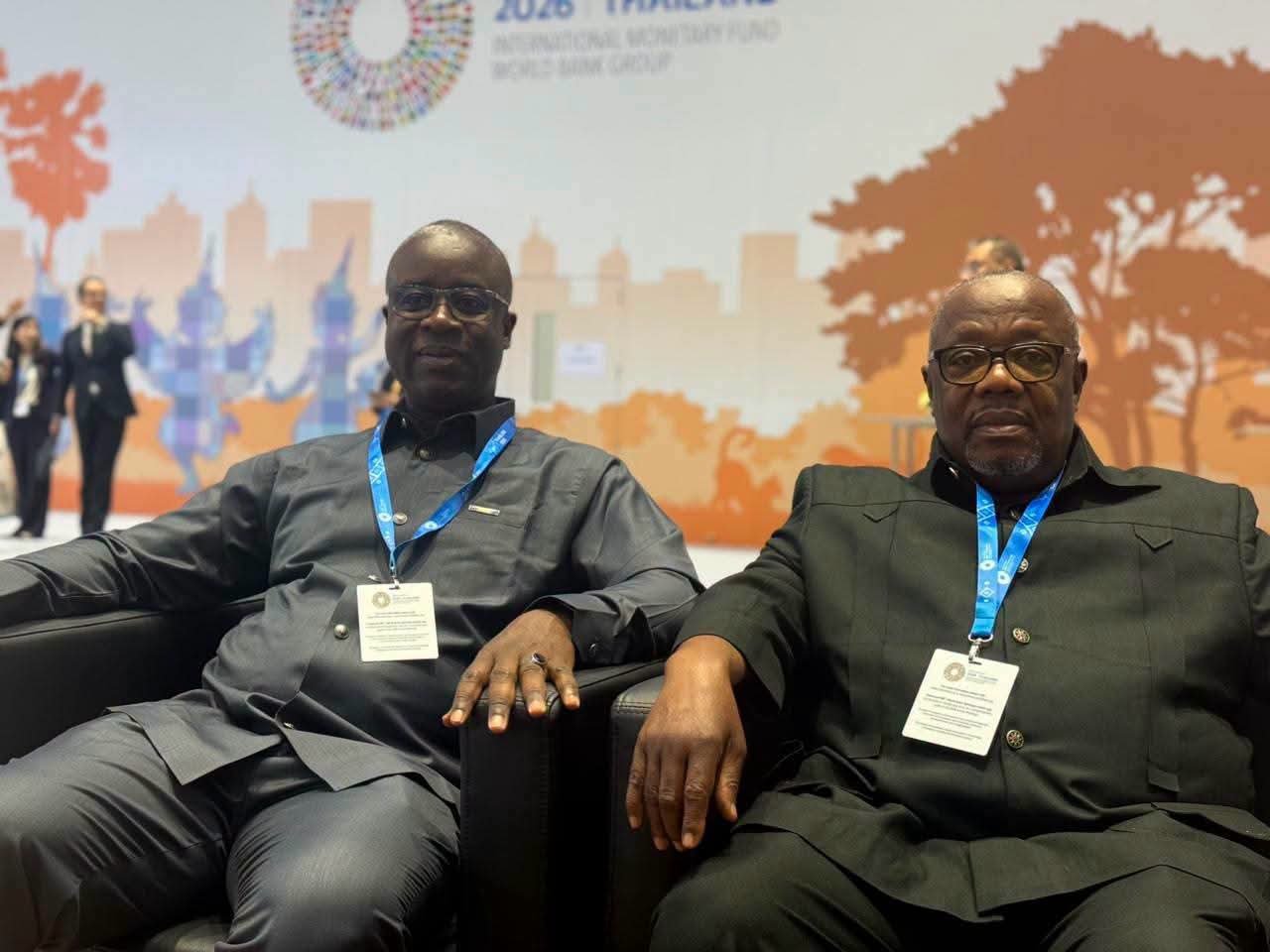
He also called for a National Agriculture Development Fund to institutionalise finance delivery to the real economy, with Parliament providing the legal mandate to ensure smallholders, women and young people are not crowded out. He urged the CVF-V20 to help Ghana examine financing options for such a fund while retaining national control.

He further proposed a pre-season stress test for finance and agriculture authorities to prepare for shocks like drought before they trigger food imports and foreign exchange pressure.
For Ghana’s Climate Prosperity Plan to be useful to Parliament, he said, there must be a prioritised pipeline showing where investments will be located, which constraints they will remove and what public decisions remain outstanding.
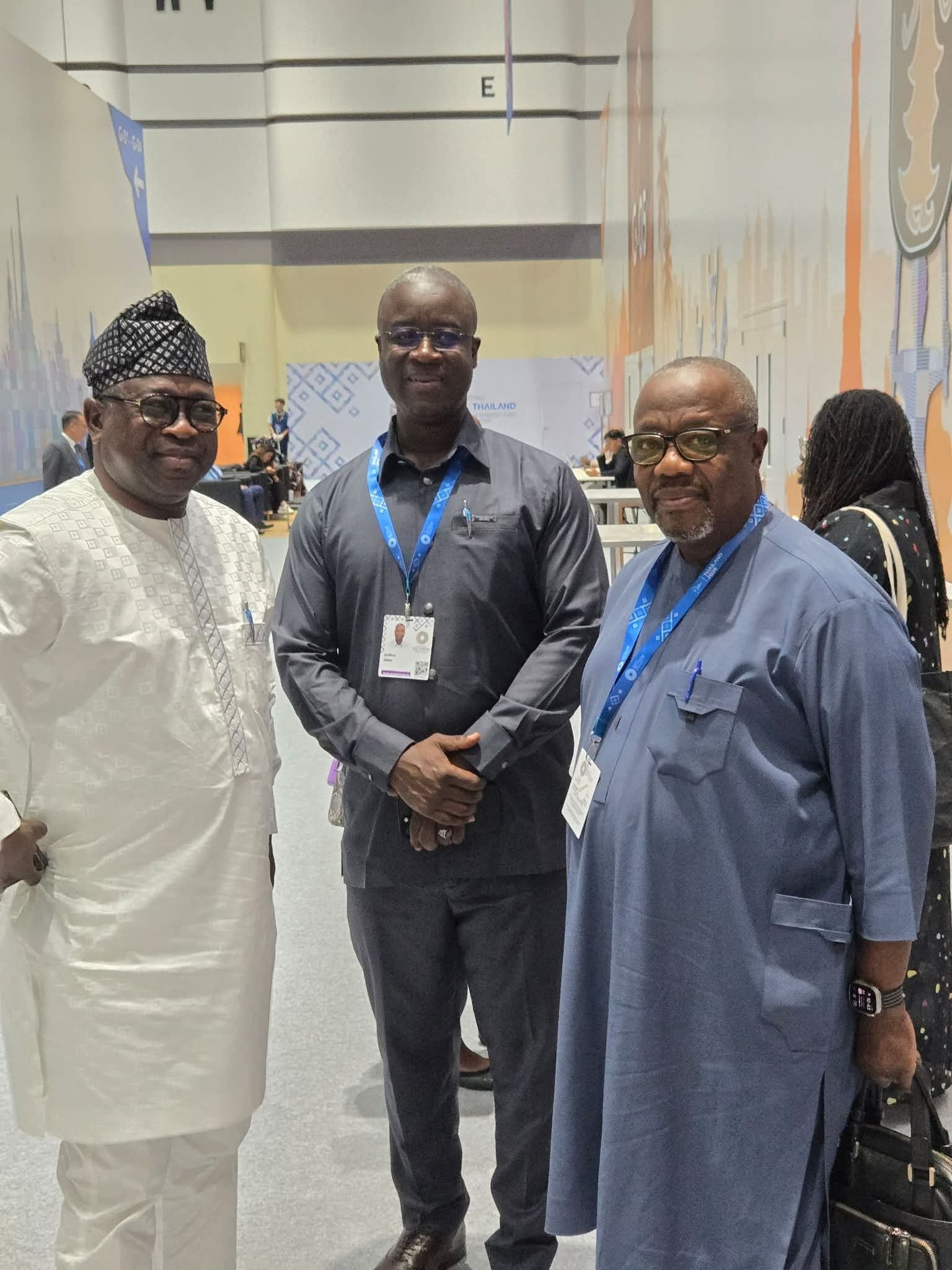
He asked the CVF-V20 to engage parliamentary committees while proposals are still being shaped, bring options for actual national investments, and draw on universities and national institutions.
“In return, parliamentarians can provide the laws, budgets, local evidence and political continuity needed for implementation,” he added, noting that for his constituents, the test is simple: does finance arrive within the season, does the investment function after it is built, and does resilience create income?