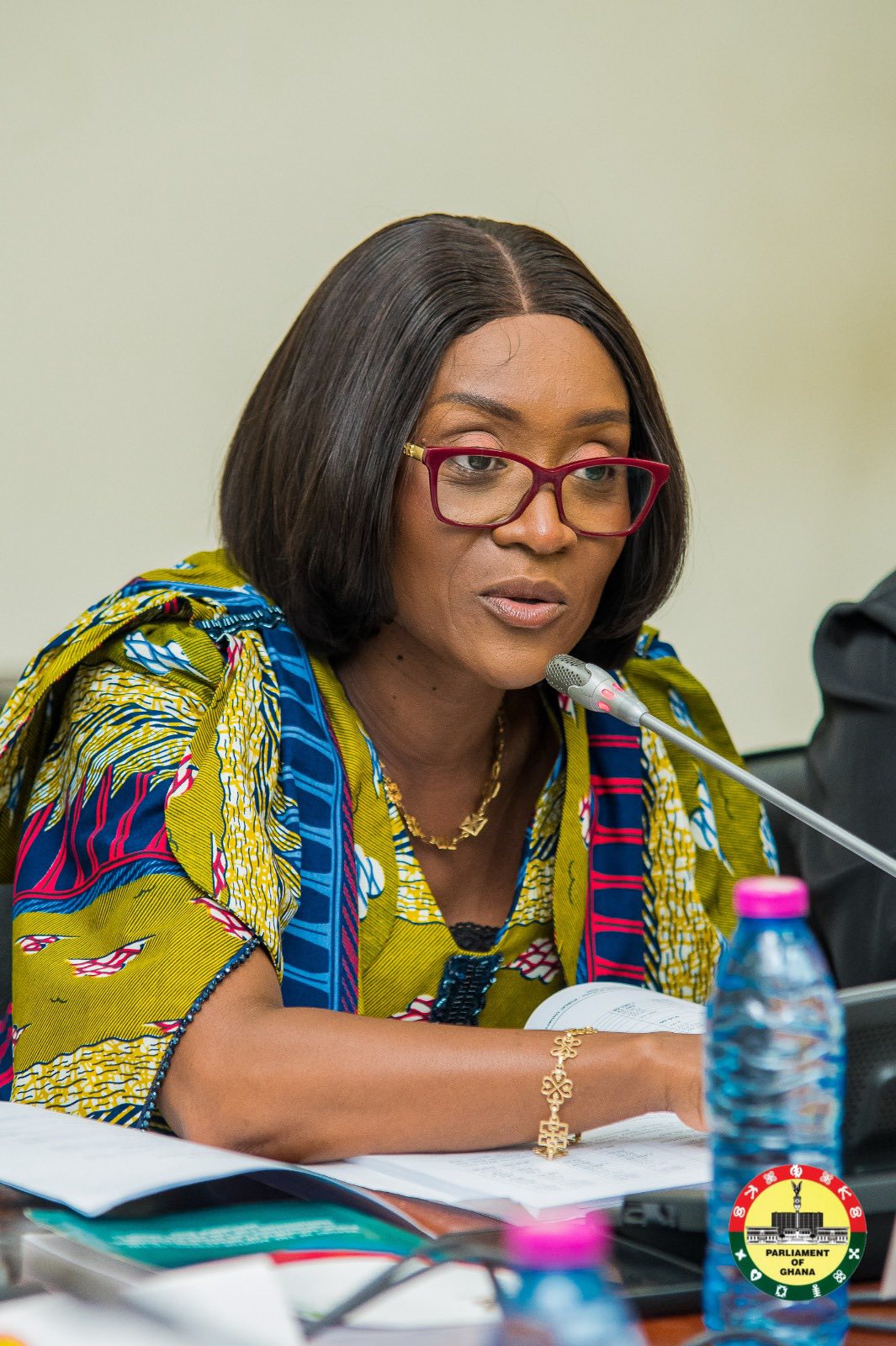







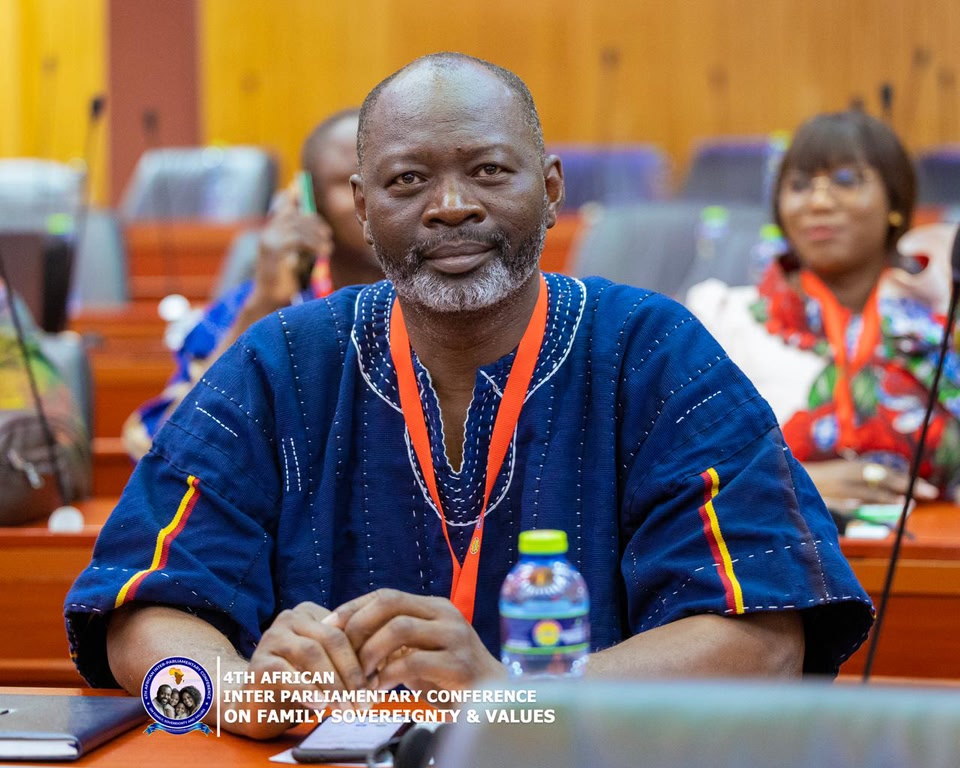
Dr. Sebastian N. Sandaare, Member of Parliament for Daffiama/Bussie/Issa, has raised alarm over the rising prevalence of HIV among Ghana’s youth and its implications for the nation’s future development.
According to the Ghana AIDS Commission’s 2024 National HIV Estimates, over 334,700 Ghanaians are living with HIV, with approximately 37,000 aged between 15 and 24. The country recorded 15,290 new infections in 2024 alone, averaging about 42 new cases daily, with nearly 4,700 among youth—a demographic recording the highest number of new infections.
The situation is compounded by gender disparities; nearly 69% of people living with HIV are women, and women account for about 67% of new infections. This trend raises concerns about gender equality, maternal health, and broader socio-economic impacts.
Delivering a statement on the floor of parliament titled: on the prevalence of HIV among the youth in Ghana and its impact on national development on 15 July 2026, Dr. Sandaare highlighted recent disturbing statistics, including a revelation from the Minister for the Interior that 1,300 applicants failed a recent security services recruitment medical exam due to HIV positivity. This incident underscores the continued public health challenge HIV poses among young Ghanaians.
Despite some progress, awareness and prevention efforts among young people remain insufficient. Reports indicate only about 36-37% of youth aged 15-24 are knowledgeable about HIV prevention, and condom use remains relatively low, especially among young women.
Hon. Dr. Sandaare emphasized that HIV is not just a health issue but a development challenge, affecting productivity, increasing healthcare costs, and hindering economic growth. The epidemic resulted in over 12,600 AIDS-related deaths in 2024, including around 840 young lives lost during their most productive years.
He called for renewed national efforts, urging the government to operationalize the National HIV and AIDS Fund, intensify prevention campaigns, sustain funding for HIV programs, and collaborate with community leaders to combat stigma and misinformation.
The MP warned that unless urgent action is taken, HIV could derail Ghana’s progress toward achieving Sustainable Development Goals related to health and economic growth. He concluded by emphasizing that investing in prevention and education today is an investment in a healthier, more prosperous Ghana.
He said these developments threaten Ghana’s efforts to achieve the Sustainable Development Goals, particularly Goal 3 on Good Health and Well-being and Goal 8 on Decent Work and Economic Growth.
“Protecting the health of our young people is therefore not only a public health responsibility but also a constitutional obligation and an investment in our national development”.
“Mr. Speaker, while I commend the Government Ghana AIDS Commission, the MOH/ Ghana Health Service and our development partners for the progress made in expanding access to treatment and prevention services, current trends call for renewed national action”, he submitted with following recommendations:
- Government should operationalize the National HIV and AIDS Fund as established by Act 938(2016) to provide financial resources for the national strategic response.
- Government and all Stakeholders should intensify nationwide HIV prevention and awareness campaigns, particularly in schools, tertiary institutions and communities, using both traditional and digital media.
- Government should provide adequate and sustained funding for HIV prevention programmes while working closely with religious organizations, traditional leaders, civil society organizations and youth groups to combat stigma and misinformation.
- Parliament, through the Health Committee, should engage the Ministry of Health and the Ghana AIDS Commission to assess the effectiveness of current interventions and ensure Ghana remains on course to ending HIV as a public health threat by 2030.
“Mr. Speaker, the statistics presented by the Hon. The Minister for the Interior should serve as a wake-up call to all of us. We must not see this simply as a recruitment issue but as a national development challenge that requires urgent and coordinated action.
The youth remain Ghana’s greatest asset. Every HIV infection prevents a future teacher, doctor, engineer, entrepreneur, farmer, security officer or public servant. By investing in prevention, education, early testing and treatment today, we are investing in a healthier, more productive and more prosperous Ghana”, he added.

Dr. Sebastian N. Sandaare, Member of Parliament for Daffiama/Bussie/Issa, has raised alarm over the rising prevalence of HIV among Ghana’s youth and its implications for the nation’s future development.
According to the Ghana AIDS Commission’s 2024 National HIV Estimates, over 334,700 Ghanaians are living with HIV, with approximately 37,000 aged between 15 and 24. The country recorded 15,290 new infections in 2024 alone, averaging about 42 new cases daily, with nearly 4,700 among youth—a demographic recording the highest number of new infections.
The situation is compounded by gender disparities; nearly 69% of people living with HIV are women, and women account for about 67% of new infections. This trend raises concerns about gender equality, maternal health, and broader socio-economic impacts.
Delivering a statement on the floor of parliament titled: on the prevalence of HIV among the youth in Ghana and its impact on national development on 15 July 2026, Dr. Sandaare highlighted recent disturbing statistics, including a revelation from the Minister for the Interior that 1,300 applicants failed a recent security services recruitment medical exam due to HIV positivity. This incident underscores the continued public health challenge HIV poses among young Ghanaians.
Despite some progress, awareness and prevention efforts among young people remain insufficient. Reports indicate only about 36-37% of youth aged 15-24 are knowledgeable about HIV prevention, and condom use remains relatively low, especially among young women.
Hon. Dr. Sandaare emphasized that HIV is not just a health issue but a development challenge, affecting productivity, increasing healthcare costs, and hindering economic growth. The epidemic resulted in over 12,600 AIDS-related deaths in 2024, including around 840 young lives lost during their most productive years.
He called for renewed national efforts, urging the government to operationalize the National HIV and AIDS Fund, intensify prevention campaigns, sustain funding for HIV programs, and collaborate with community leaders to combat stigma and misinformation.
The MP warned that unless urgent action is taken, HIV could derail Ghana’s progress toward achieving Sustainable Development Goals related to health and economic growth. He concluded by emphasizing that investing in prevention and education today is an investment in a healthier, more prosperous Ghana.
He said these developments threaten Ghana’s efforts to achieve the Sustainable Development Goals, particularly Goal 3 on Good Health and Well-being and Goal 8 on Decent Work and Economic Growth.
“Protecting the health of our young people is therefore not only a public health responsibility but also a constitutional obligation and an investment in our national development”.
“Mr. Speaker, while I commend the Government Ghana AIDS Commission, the MOH/ Ghana Health Service and our development partners for the progress made in expanding access to treatment and prevention services, current trends call for renewed national action”, he submitted with following recommendations:
- Government should operationalize the National HIV and AIDS Fund as established by Act 938(2016) to provide financial resources for the national strategic response.
- Government and all Stakeholders should intensify nationwide HIV prevention and awareness campaigns, particularly in schools, tertiary institutions and communities, using both traditional and digital media.
- Government should provide adequate and sustained funding for HIV prevention programmes while working closely with religious organizations, traditional leaders, civil society organizations and youth groups to combat stigma and misinformation.
- Parliament, through the Health Committee, should engage the Ministry of Health and the Ghana AIDS Commission to assess the effectiveness of current interventions and ensure Ghana remains on course to ending HIV as a public health threat by 2030.
“Mr. Speaker, the statistics presented by the Hon. The Minister for the Interior should serve as a wake-up call to all of us. We must not see this simply as a recruitment issue but as a national development challenge that requires urgent and coordinated action.
The youth remain Ghana’s greatest asset. Every HIV infection prevents a future teacher, doctor, engineer, entrepreneur, farmer, security officer or public servant. By investing in prevention, education, early testing and treatment today, we are investing in a healthier, more productive and more prosperous Ghana”, he added.