





The District Road Improvement Programme (DRIP) was introduced as a vital decentralization initiative meant to empower Metropolitan, Municipal, and District Assemblies (MMDCEs) to take charge of constructing and maintaining their local roads.
Its core objective is clear: foster economic growth, improve safety, and elevate the quality of life by upgrading community roads, markets, and access routes to farms and villages.
However, the reality in districts like Anlo, Keta, and Ketu South paints a starkly different picture. Instead of being a vehicle for development, the program has largely fallen short, leaving communities to grapple with deplorable road conditions that hinder daily life and economic activities.

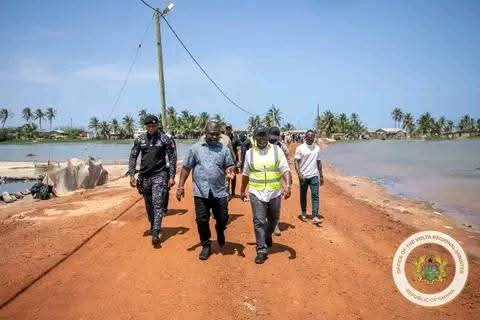
Take the roads connecting Denu Junction to Keta Municipality through Adafienu, Adina to Havedzi—these are in terrible shape, with potholes and erosion making travel perilous.
The route from Agbozume to Klikor, and the connection from Lotakor to Kpoglo, are equally disastrous. The road from Havedzi through Anlo-Afiadenyigba to Weta Junction is destroying vehicles and risking lives.
In Keta Municipality, roads like those from Agbozume Police Station through Agortorme, Srohume, Kodoave to Anlo-Afiadenyigba are nothing short of an eyesore. The stretch from Agbozume Goat Market to Worgbato and Sonuto, linking Task Corner to Anlo-Afiadenyigba, is dangerous for commuters. The same applies to the road from Afife to Aborlove Nolopi, which has become a daily hazard.

Agbozume, a traditional area within Ketu South, exemplifies the neglect—since the creation of the Assembly, it has no proper roads, leaving over 50 communities in abject poverty when it comes to infrastructure. Other critical roads, like Diamond Cement Road, Aflao Police Station to Akplokpoe, Awakome Road, and the Korpeyia to Anuenu stretch, are all in deplorable condition.
In Anlo District, entire communities—such as Bleamezado, Trekume, Azanu, and Kome—are suffering from seriously bad roads that affect over 20 communities. These roads hinder daily activities, trade, and access to services, further impoverishing the residents.

The sad reality is that aside from some asphalted highways—like those from Sanvietula to Dabala and from Dabala Junction to Aflao Boder, completed during Rawlings’s era—most roads have been neglected. The Denu Junction beach road to Adzizadzi, for example, has become a deathtrap, slowing down economic activities and endangering lives.

The core issues:
The DRIP was designed to decentralize infrastructure repair, giving local districts autonomy to prioritize and repair roads swiftly. It was also meant to stimulate economic growth, create jobs, and improve accessibility. But in these districts, it appears the program is not being leveraged effectively. Instead of serving as a catalyst for development, the program’s potential remains largely untapped, contributing to ongoing hardship.
In conclusion:
If MMDAs fail to utilize DRIP properly, they deny their communities vital opportunities for growth and safety. Improving road infrastructure is not just about convenience; it’s about empowering people, boosting local economies, and reducing poverty. The need is urgent—local authorities must step up, allocate resources, and ensure that DRIP fulfills its promise to the people of Anlo, Keta, and Ketu South.