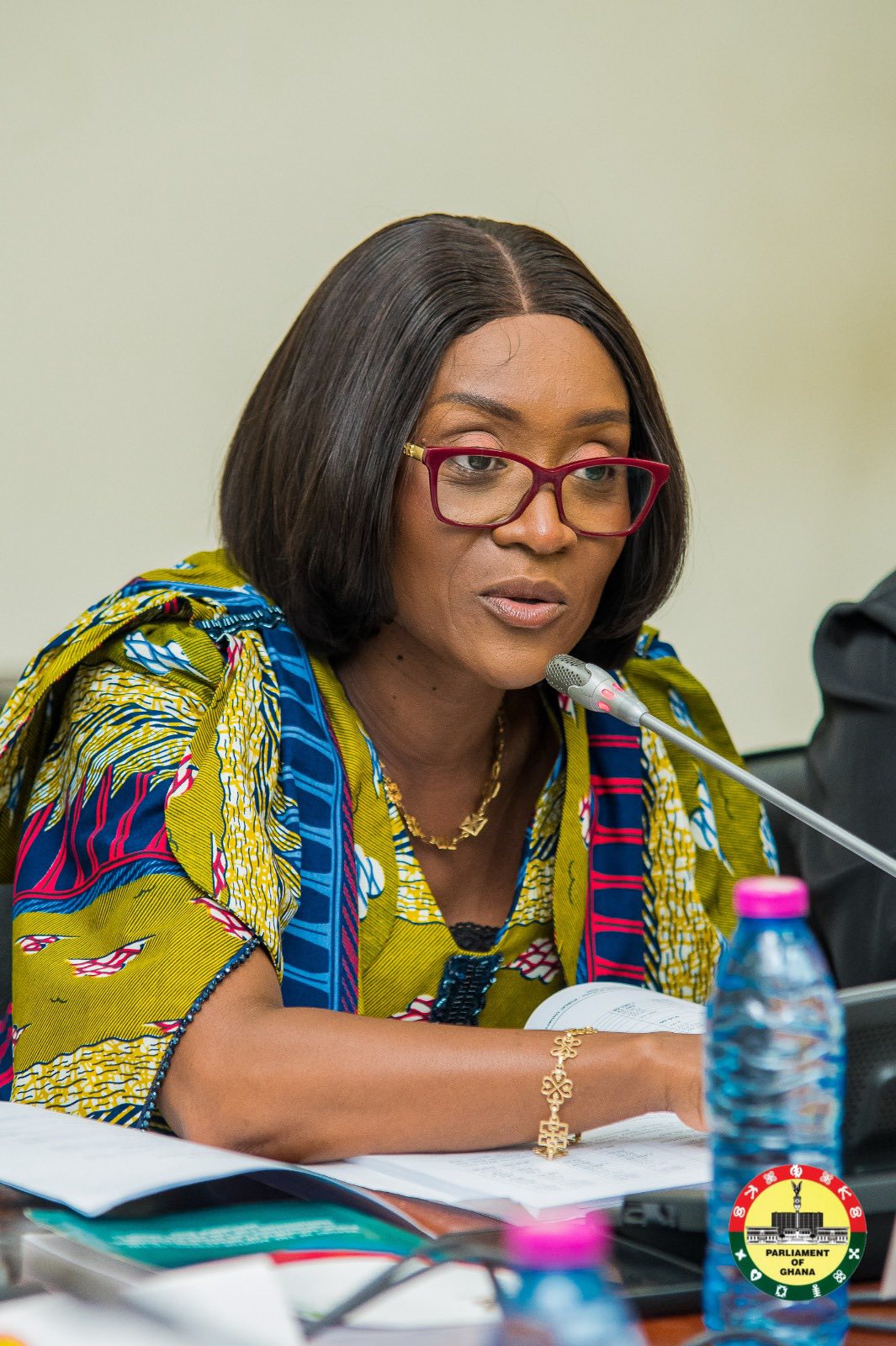







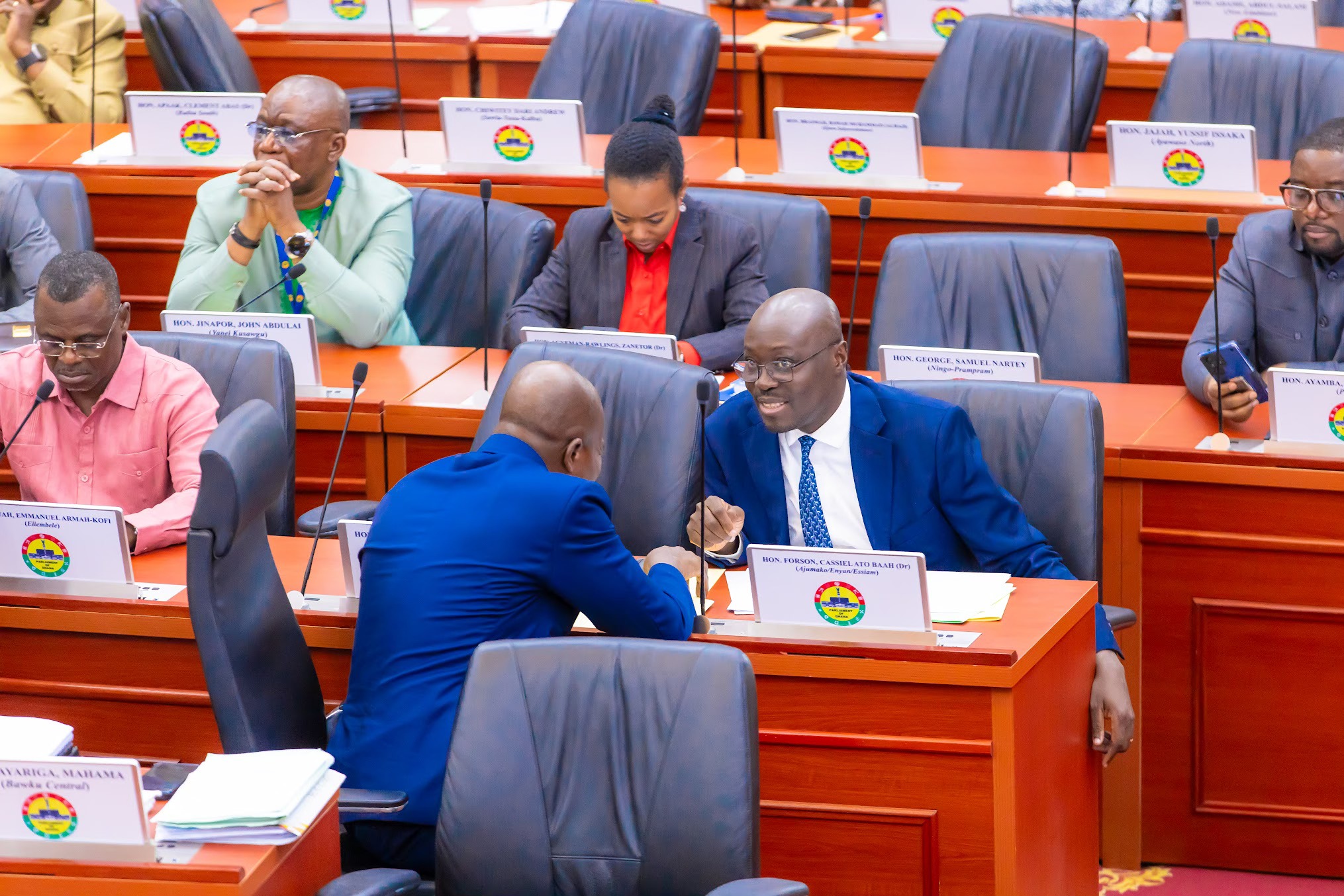
Finance Minister Dr. Ato Forson announced the successful conclusion of the country’s IMF bailout programme and outlining a new phase of growth and reform.
In a speech to Parliament, Dr. Forson highlighted the substantial progress Ghana has made in restoring macroeconomic stability and debt sustainability, ahead of the original schedule. He emphasized that the country has transitioned from crisis management to a stable footing, shifting from dependence on international bailouts to a partnership with the International Monetary Fund (IMF).
A Troubling Past
Dr. Forson recounted the severity of Ghana’s economic decline in 2022, when mismanagement led to currency pressures, soaring inflation (over 50%), and loss of investor confidence. The country faced multiple sovereign credit rating downgrades, and in October 2022, Ghana lost access to international capital markets altogether, with Eurobond spreads reaching an all-time high of 3400 basis points.
The crisis deepened as Ghana defaulted on external debt obligations and undertook a controversial domestic debt exchange, imposing significant haircuts on bondholders, including pensioners and financial institutions. Ordinary Ghanaians bore the brunt of the hardship, experiencing currency depreciation, inflation, job losses, and rising poverty.
Turning the Tide
Since assuming office, the government implemented a series of reforms, including expenditure controls, arrears clearance, removal of nuisance taxes, and structural adjustments. These efforts have yielded impressive results: GDP growth reached 6% in 2025, with non-oil GDP at its highest in 14 years. Ghana’s economy crossed the US$100 billion mark, ranking as the 8th largest in Africa, and inflation dropped to 3.4%.
Public debt has been reduced from 61.8% to 44.7% of GDP, and the country achieved a current account surplus. Investor confidence has been restored, evidenced by declining borrowing costs and a strengthening cedi.
A New Partnership with IMF
Dr. Forson announced that Ghana has concluded the final review of its IMF bailout program, which is now pending approval. Moving forward, Ghana will transition from an IMF financial bailout to a Policy Coordination Instrument (PCI)—a non-financing arrangement focused on sustained reforms and policy stability.
“This marks a new chapter—Ghana has evolved from a recipient of financial aid to a credible reform partner,” he stated.
Looking Ahead
The government plans to unveil a new economic blueprint, dubbed “The New Economy,” in the 2027 Budget. This plan aims to foster sustainable jobs, higher productivity, and broader prosperity.
President Mahama, who is credited with guiding the country through this transformation, expressed optimism that Ghana will never again need to seek IMF bailouts, emphasizing the nation’s resilience and commitment to self-sufficiency.

Conclusion
Ghana’s economic turnaround demonstrates that disciplined reforms and prudent fiscal management can deliver tangible results. As the country moves forward, it aims to build on this momentum to ensure long-term growth and prosperity.