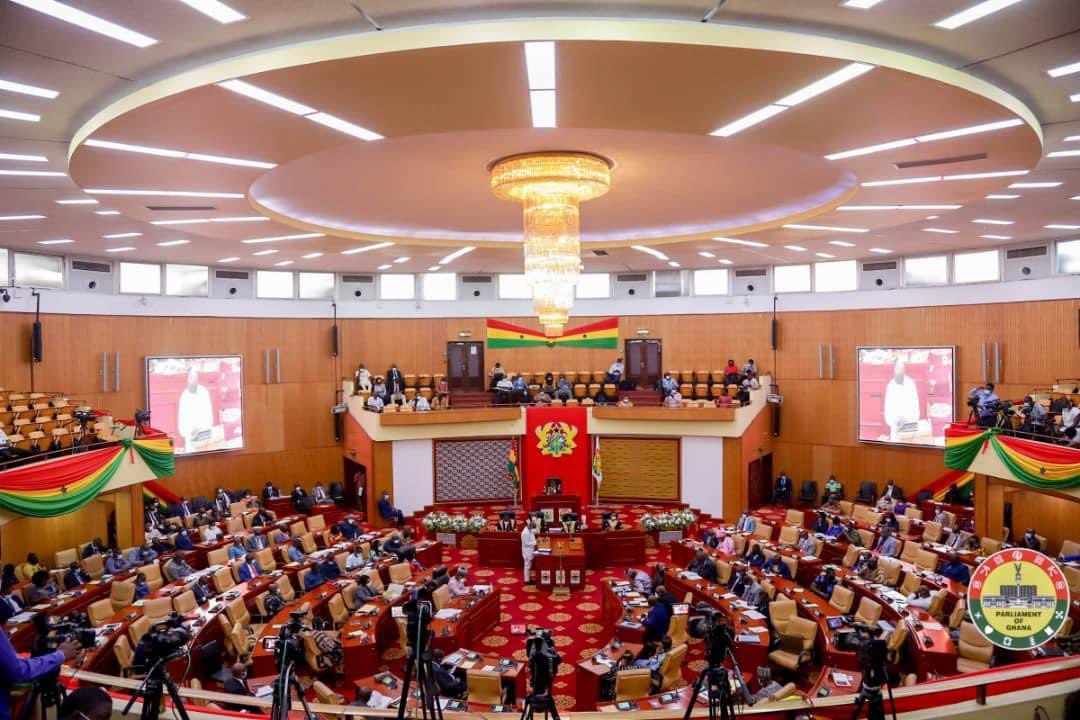








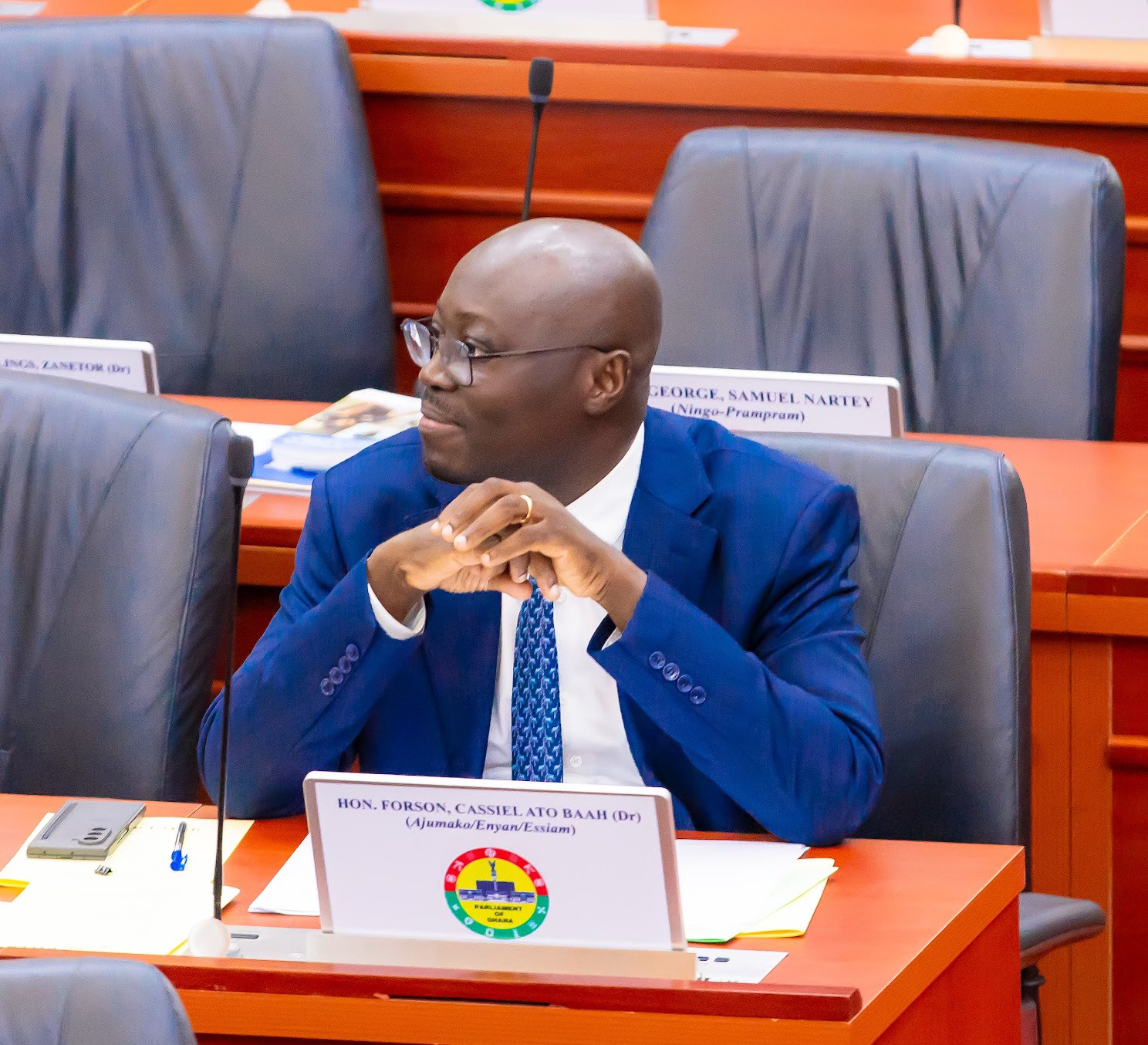
Finance Minister Dr. Ato Forson told Parliament that Ghana’s economic crisis under the previous NPP administration reached “profound, if not traumatic” levels, with runaway inflation and collapsing investor confidence bearing down hardest on ordinary households.
Delivering a statement on the state of the economy, Dr. Forson said the cedi came under intense pressure, inflation rose to painful levels, investor confidence deteriorated sharply, external reserves were strained, and Ghana lost access to the international capital market.
“The scale of that crisis was profound under NPP Government, if not traumatic,” he stated.
He traced how the crisis deepened through repeated credit rating downgrades in 2022. Moody’s cut Ghana to Caa1 in February. S&P downgraded to CCC+ in August, followed by Fitch downgrades to CCC in August and CC in September.
By October 2022, Ghana had lost access to the international capital market as Eurobond spreads widened to an all-time high of 3,400 basis points.
The fallout, Dr. Forson said, hit key institutions.
COCOBOD failed to secure a syndicated loan for the first time in years, while domestic commercial banks could no longer obtain external funding or have letters of credit confirmed by international banks.
On 5th December 2022, after announcing it could not meet maturing domestic debt obligations, the NPP administration introduced the Domestic Debt Exchange Programme [DDEP], imposing significant haircuts on domestic bondholders.
Ghana formally requested debt treatment under the G20 Common Framework on 13th December 2022 to restructure over US$5 billion in bilateral debt. The administration defaulted on external commercial debt servicing on 19th December 2022.
The haircuts affected the Bank of Ghana, commercial banks, non-bank financial institutions, pension funds, insurance companies, individual bondholders, and even pensioners.
Dr. Forson said ordinary Ghanaians bore the heaviest burden.
The crisis brought rapid cedi depreciation, runaway inflation of more than 50 percent, massive erosion of disposable incomes and savings, painful haircuts on bondholders including pensioners, punitive interest rates that constrained private sector activity, and new taxes including E-Levy, Betting Tax, COVID-19 Levy, and Emissions Tax.
“Job losses, business distress, weakened investor confidence, and a sharp rise in poverty and economic insecurity” followed, he added.