





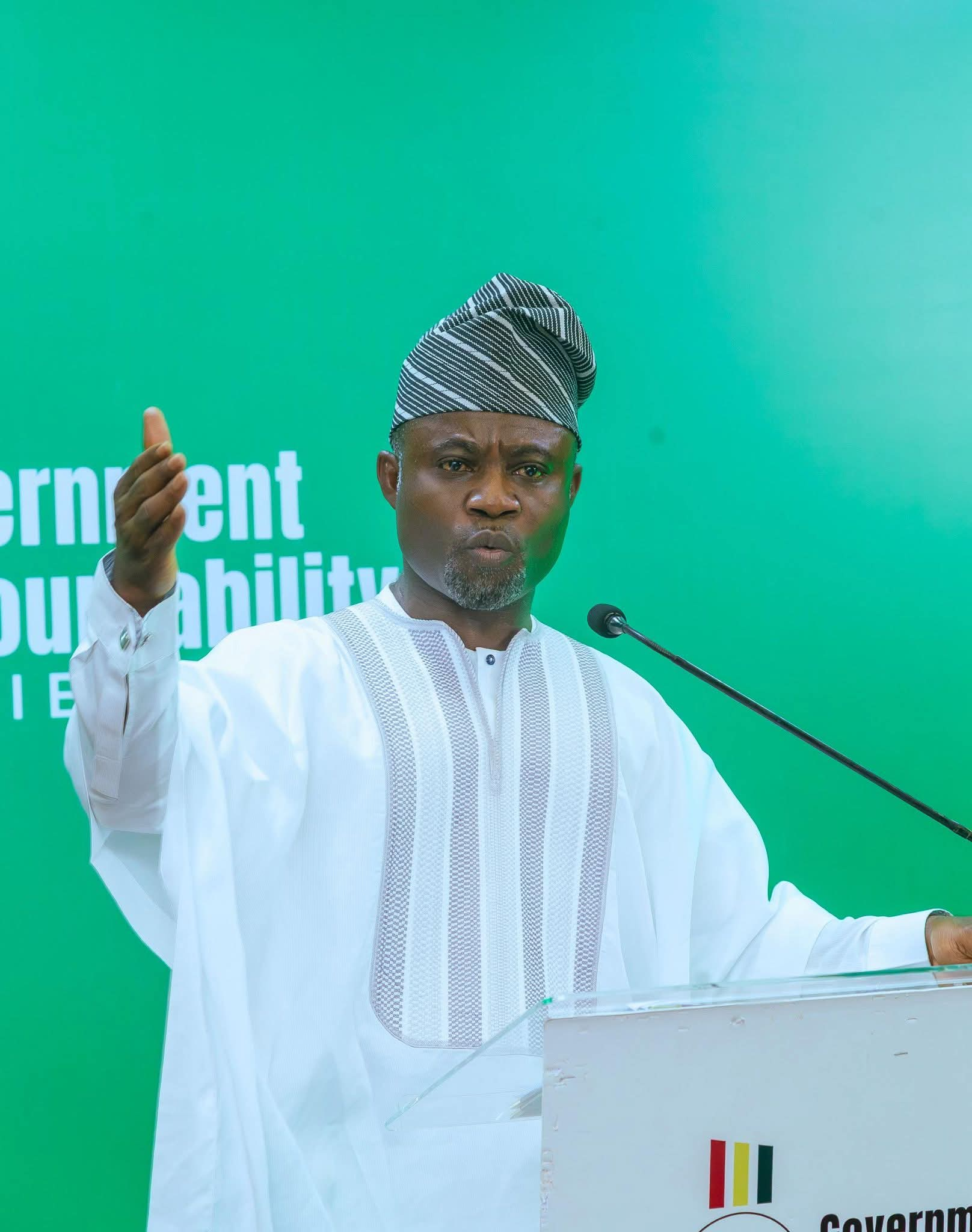
Government’s new Free Primary Health Care (FPHC) policy will give every Ghanaian access to early, easy, and cost-free care, Health Minister and Juaboso MP Kwabena Mintah Akandoh announced at a press briefing in Accra.
Describing himself as “a farmer and very practical,” the Minister said the policy is “not just about policy” but “about whether a Ghanaian can access care early, easily, and without worrying about cost.”
Addressing Ghana’s Health Gaps
Mr. Akandoh noted Ghana’s Universal Health Coverage (UHC) index stands at 56%, with a target of 80% by 2030. Currently, only two-thirds of citizens are actively enrolled in NHIS, while out-of-pocket payments still make up about one-third of total health spending.

“When people have to pay, they delay. They wait. They try to manage symptoms at home. And by the time they come to the facility, the condition has often worsened,” he said.
He pointed to Ghana’s “triple burden of disease” — infectious diseases alongside rising non-communicable diseases like hypertension, diabetes, cancers, stroke, and mental health conditions. Awareness remains low: only 35% of hypertensives know their status. Many present late with complications like stroke, kidney failure, or advanced cancers, when treatment is more expensive and less effective.
System gaps persist too. A nationwide survey showed just 5% of health facilities had the full complement of basic equipment — only 2% for public facilities.
What Free Primary Health Care Covers
The FPHC policy guarantees every Ghanaian a defined package of essential services at CHPS compounds, health centres, and polyclinics — free at the point of care. All that’s needed is a valid National ID.

The package includes:
– Routine screening for hypertension, diabetes, obesity, mental health conditions, and cancers
– Maternal and child health, antenatal care, postnatal care, immunisation, growth monitoring
– Health promotion: NCD risk counselling, family planning, safe water management, menstrual hygiene
– Treatment for common conditions like malaria, diarrhoea, respiratory infections
– Basic emergency care counselling, and referrals
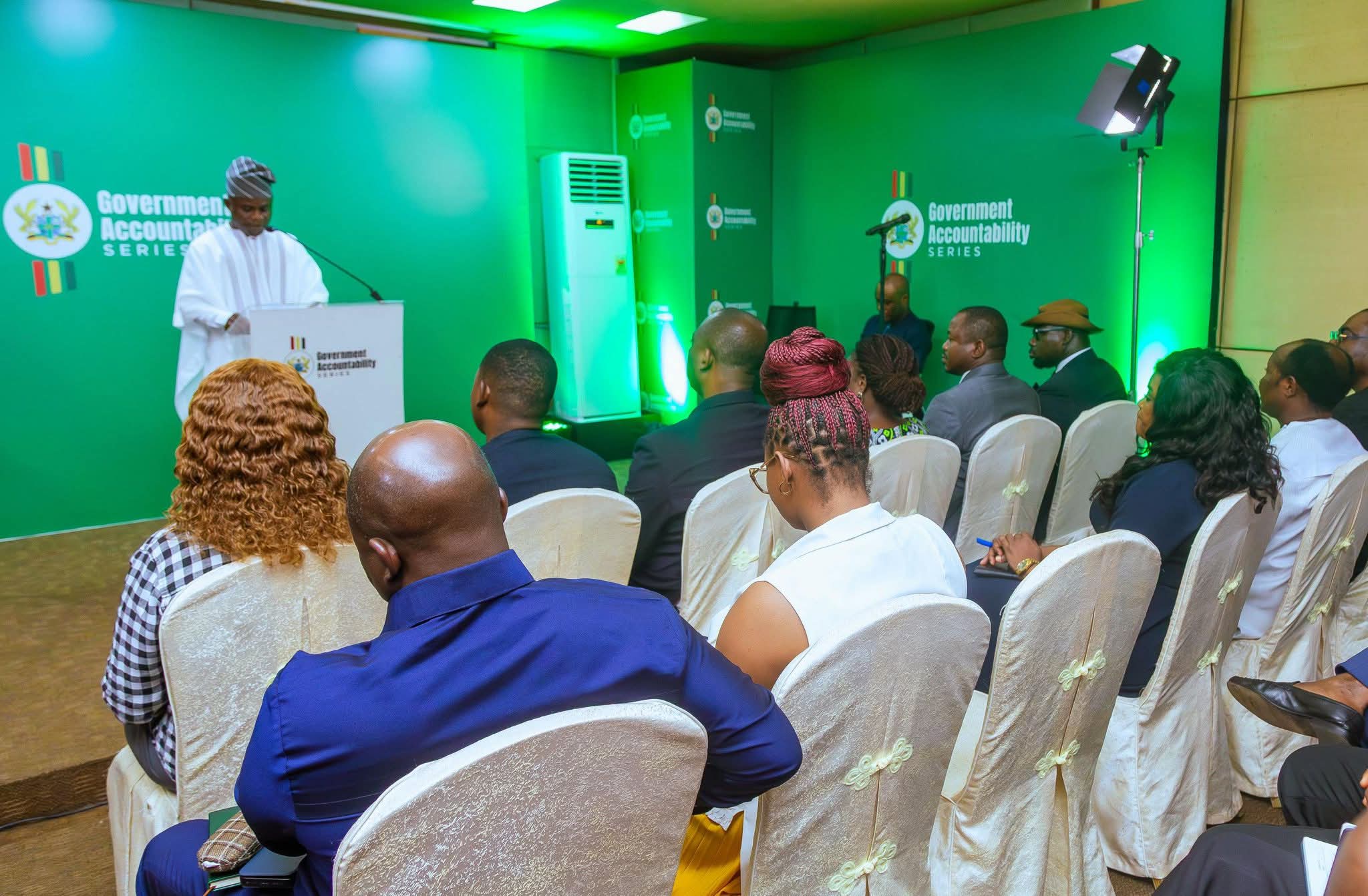
Beyond facilities, the policy pushes “structured outreach” with home visits, school screening, and community health campaigns. “Health workers will not only be waiting at facilities — they will be in your homes, schools, churches, and workplaces,” Akandoh said.
Implementation and Resources
The policy will roll out in phases from 2026 to 2028, starting with 150 underserved districts before nationwide expansion. To back it, government has procured 24,534 pieces of essential medical equipment — including incubators, glucometers, hospital beds, and ultrasound machines — for deployment to frontline facilities.
Over the next two months, 150 districts will receive equipment, community sensitisation will intensify, trained volunteers will support health workers, and over 350 container-based service delivery points will be set up in markets and lorry parks.
“This policy is backed not just by commitment, but by real resources, careful planning, and a determination to ensure that every Ghanaian can access effective primary healthcare services,” the Minister stated.
Financing and System Reform
The 2026 NHIS budget includes provision for FPHC. A hybrid payment model will be used: preventive and promotive services funded through population-based payments, while curative services continue under NHIS reimbursement.
Akandoh linked FPHC to broader reforms including the uncapping of NHIS to create fiscal space and the Ghana Medical Trust Fund “Mahama Cares” for advanced chronic care. “What we are building is a complete system — from prevention to treatment to specialised care. This is the pathway to health sovereignty,” he said.
Expected Impact
By removing financial barriers and shifting focus from treatment to prevention, the policy aims to boost early detection, reduce late-stage complications, and cut catastrophic health spending. Routine screening and community outreach are expected to raise awareness of silent conditions like hypertension and diabetes.
“This is a system that is connected, continuous, and people-centered,” Akandoh concluded. “Care begins earlier. Screening becomes routine. Health workers engage communities proactively. And the system shifts from reacting to illness to preventing it.”
Uninsured Ghanaians will be encouraged to enroll in NHIS during FPHC visits to access district, regional, and tertiary care not covered in the primary package.